NEW DELHI:
The Indian Air Force (IAF) is mourning the loss of one of its most celebrated legends. Flight Lieutenant Alfred Tyrone Cooke (retd.), a decorated Vir Chakra awardee whose legendary dogfight during the 1965 India-Pakistan War became a textbook chapter in military aviation history, passed away on Friday at the Base Hospital in New Delhi.
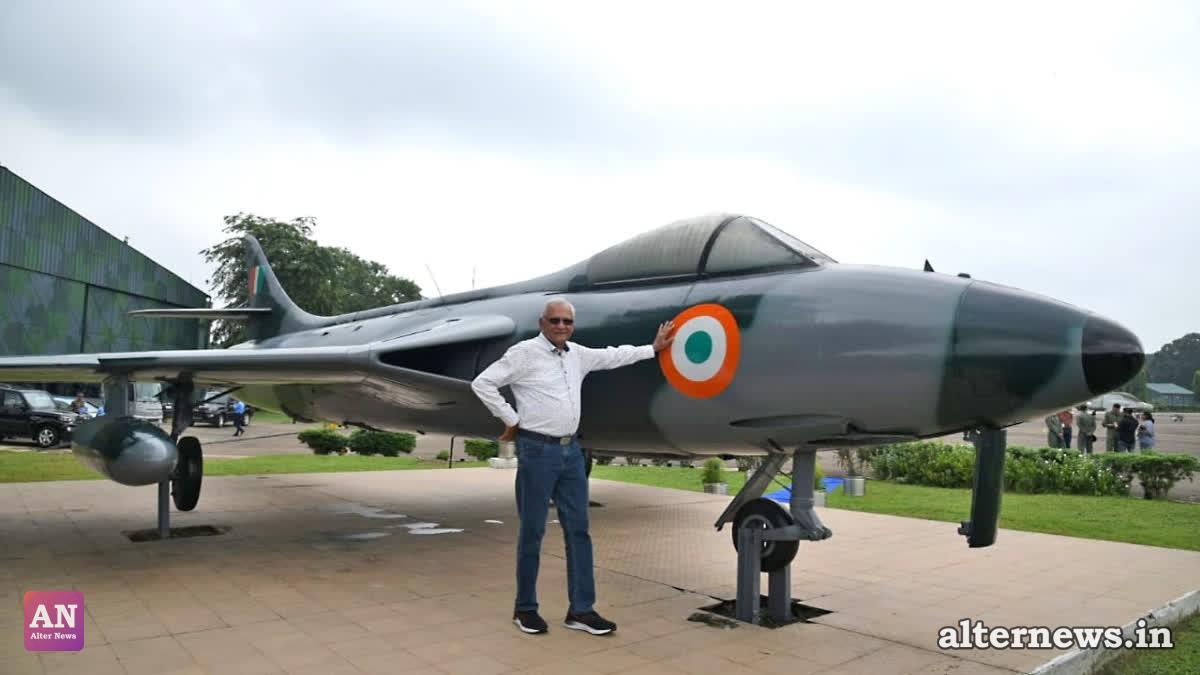
Flt. Lt. Cooke was widely revered for his extraordinary valor on September 7, 1965, during a fierce aerial battle over the Kalaikunda air base in West Bengal.
Military historians remember the engagement as a "masterclass in aggressive air combat and unwavering resolve," a feat that crucially shifted the momentum of the conflict in the eastern theatre. For his conspicuous gallantry and exceptional leadership under fire, he was honored with the Vir Chakra, India’s third-highest wartime gallantry award.
Following his retirement from active service, Cooke had settled in Australia.
The IAF took to social media to share an emotional farewell to the veteran air warrior.
"All Air Warriors of the Indian Air Force extend their deepest condolences on the passing of Flight Lieutenant Alfred Tyrone Cooke, VrC. A war hero whose courage is etched forever in the annals of military aviation, Flt. Lt. Cooke exemplified supreme valor durin
g the 1965 Indo-Pak War," the IAF posted on X.
The statement further emphasized that his legacy of tactical brilliance and supreme sacrifice will continue to serve as an enduring source of inspiration for generations of future air warriors.