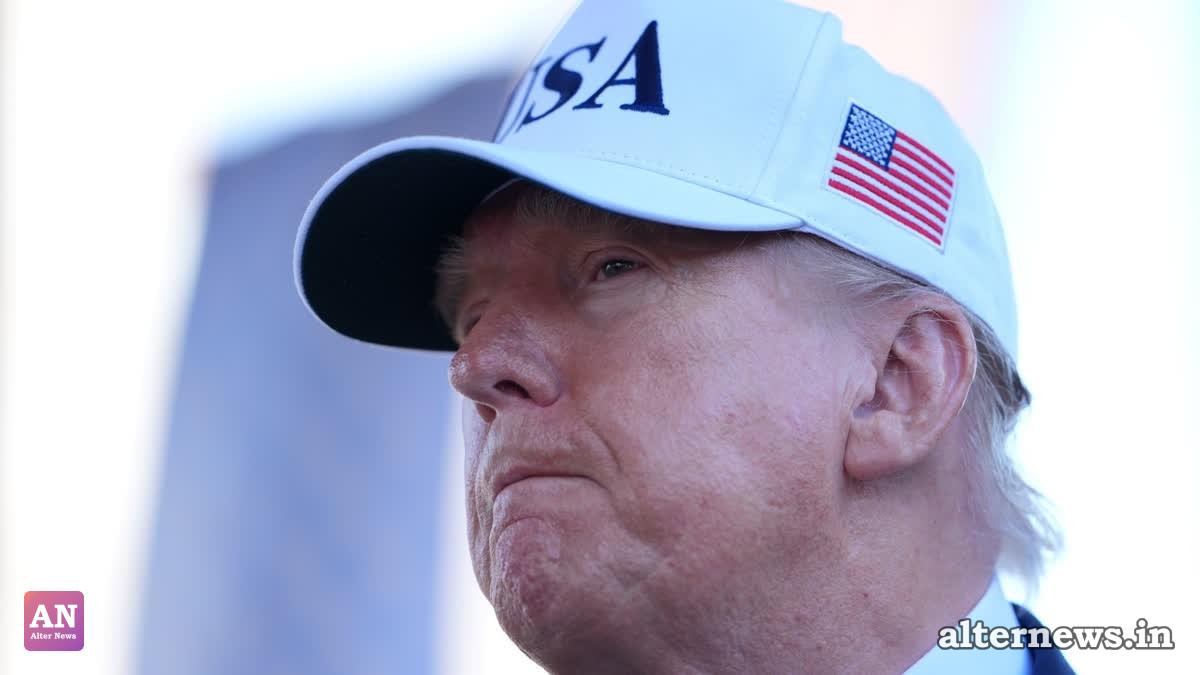
WASHINGTON — President Donald Trump finds himself navigating a treacherous political and military landscape in the wake of a sweeping Republican midterm election defeat.
The midterm drubbing, which cost the GOP control of Capitol Hill, was heavily fueled by voter frustration over economic strains.
Speaking to reporters at the White House, Trump defended the military operation, insisting that confronting Tehran was a necessary action.
However, Washington lawmakers are signaling an immediate collision course. Top congressional Democrats, including Senate Leader Chuck Schumer and prospective House Speaker Hakeem Jeffries, have ratcheted up pressure, declaring that the war must come to an immediate end.
Weighing the White House's Next Moves
With domestic pressure mounting and global energy markets reacting volatilely—Brent crude dipped below $95 a barrel following election results—foreign policy experts note that Trump's strategic options are severely constrained:
Targeted Strikes and an Exit Strategy: Analysts suggest the president could opt for a final, heavy strike on remaining high-value nuclear or strategic targets, claim sufficient degradation of Iran's capabilities, and seek a "fig leaf agreement".
Such a deal could potentially restore navigation rights in the Strait of Hormuz and offer limited sanctions relief while kicking further nuclear negotiations down the road. Escalation and Infrastructure Attacks: Alternatively, Trump could follow through on earlier warnings of massive assaults on Iranian infrastructure.
While this would project force, experts warn it risks spiraling out of control and worsening the oil price spikes that alienated voters in the first place. Protrained Blockade: Maintaining the current naval posture in the Middle East remains a persistent drain on U.S. military resources, especially as diplomatic channels have failed to produce major breakthroughs.
"Putting aside the election, doubling down on Iran was always a dangerous strategy," noted international affairs analysts.