NEW DELHI — A recent mid-air technical snag involving an Air India Express flight bound for Abu Dhabi has reignited the national debate surrounding flight safety oversight and the pressing need for an independent aviation authority in India.
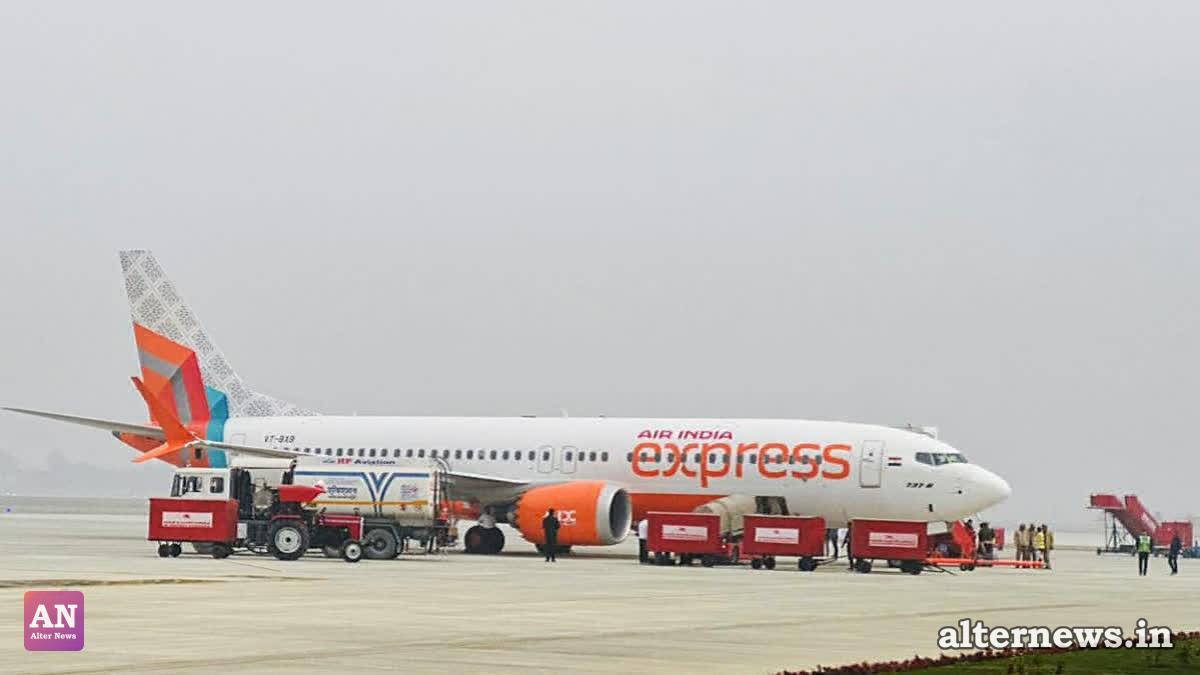
Flight IX 415, a Boeing 737 carrying passengers from Cochin International Airport to Abu Dhabi, was cruising at approximately 36,000 feet—about 50 minutes into its journey—when cockpit instruments flagged a rapid decline in oil quantity in Engine 1. Executing standard risk-assessment procedures (FORDEC), the flight commander and co-pilot initiated an air turnback toward Kochi.
During the return leg, the situation escalated when the affected engine’s oil pressure fluctuated into the cockpit display’s danger zone.
Reacting to the development, Captain C.S. Randhawa, President of the Federation of Indian Pilots (FIP), commended the crew’s prompt judgment.
"It was a prudent and safety-conscious decision," Capt. Randhawa stated.
Capt. Randhawa stressed that recurring operational diversions highlight systemic gaps in regulatory supervision. He urged policymakers to establish an empowered, autonomous regulator to oversee Indian air transport.
"This incident once again highlights the need for a strong and independent Civil Aviation Authority in India, empowered to take timely and effective decisions on safety and regulatory matters," Randhawa emphasized, noting that several neighboring subcontinent nations already operate under autonomous civil aviation framework structures.
An Air India Express spokesperson confirmed the precautionary turnback, maintaining that the crew adhered strictly to established protocols.
However, coming closely on the heels of other recent technical diversions across domestic air carriers, pilot associations and safety experts maintain that establishing a dedicated, independent aviation authority remains vital to safeguarding India's fast-growing aviation ecosystem.