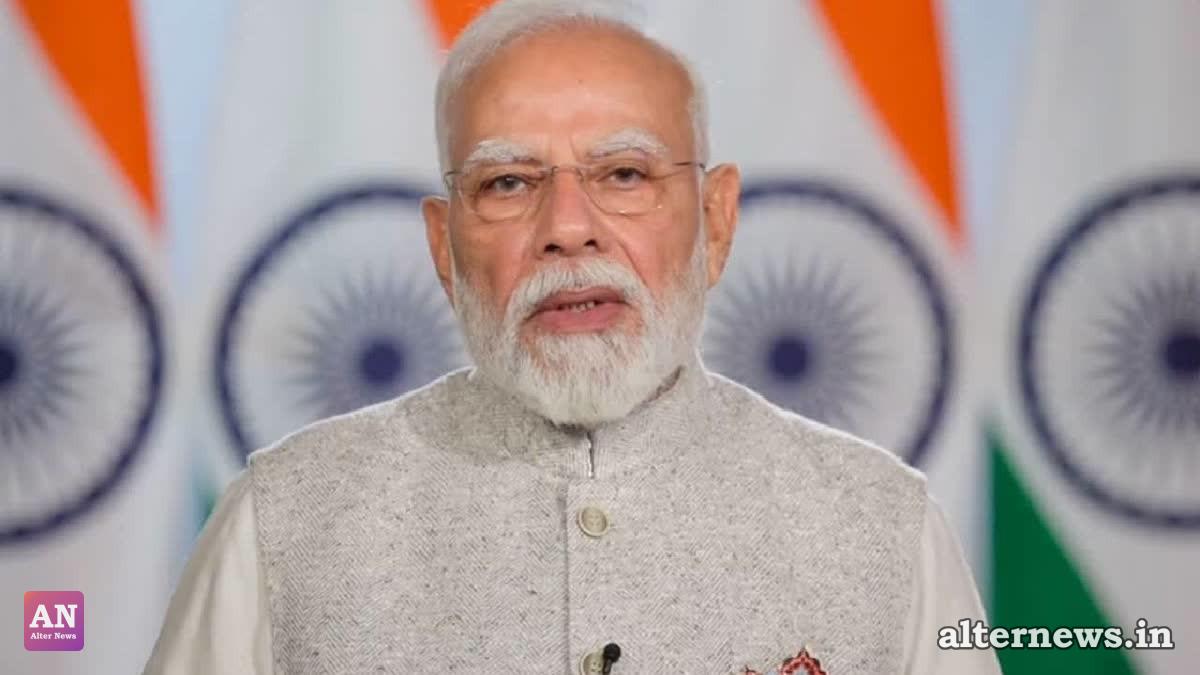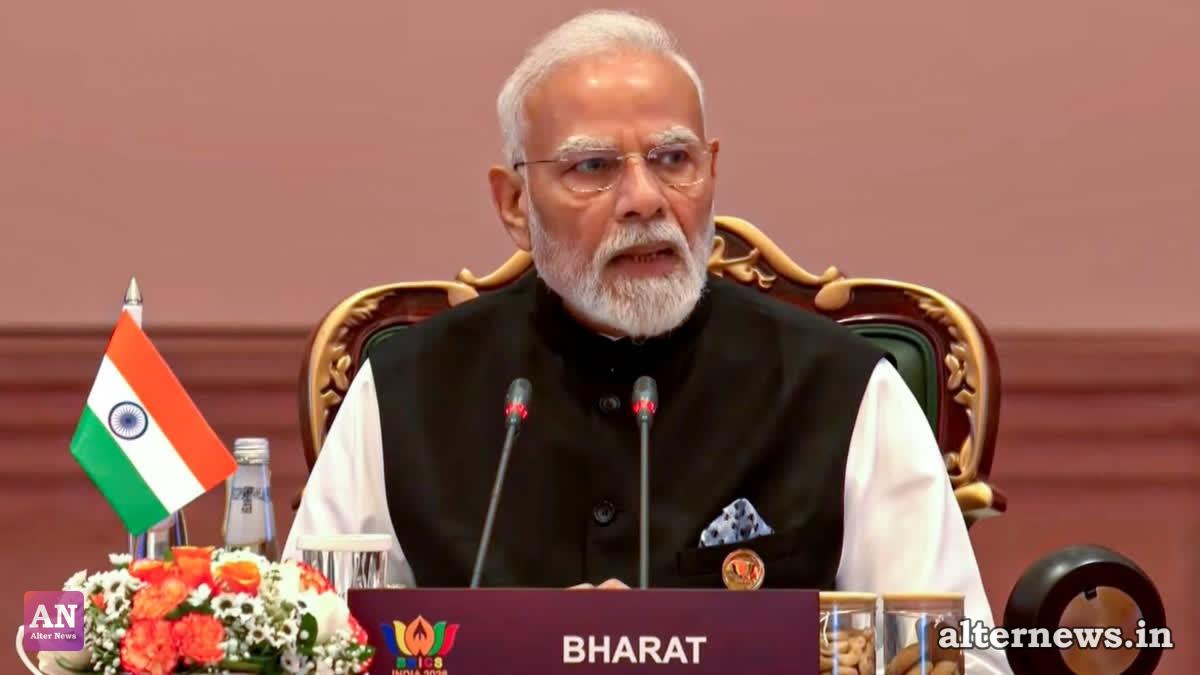
NEW DELHI: Prime Minister Narendra Modi officially opened the high-profile two-day annual BRICS Summit at New Delhi's Bharat Mandapam on Saturday, welcoming global leaders and issuing a strong call for developing economies to step up as primary "rule shapers" in international governance.
Addressing an elite gathering of world leaders—including Russian President Vladimir Putin, Chinese President Xi Jinping, Iranian President Masoud Pezeshkian, South African President Cyril Ramaphosa, and several other heads of state, government, and international organizations—PM Modi underscored that the Global South currently stands on the frontlines of global crises yet remains marginalized in core decision-making spaces.
"Today, the Global South stands in the front row of global crises but in the back row of the decision-making process. We must transform this 'pyramid of privilege' into a 'platform of partnership'—one where every nation has a voice, every member has a stake, and the development of humanity lies at the heart of every effort," Modi declared during his opening statement.
To bridge this governance gap, the Prime Minister proposed a concrete initiative: jointly formulating 10 key proposals for global governance reform to establish a comprehensive BRICS reform roadmap ahead of the next summit. He also reiterated the urgent need for long-overdue reforms within the United Nations Security Council (UNSC), stressing that structural modifications can no longer wait.
The 2026 summit in New Delhi holds immense strategic importance against the backdrop of an increasingly fractured global economy. Emerging markets face lingering economic disruptions from the ongoing Russia-Ukraine war, severe geopolitical flashpoints in West Asia (including maritime blockades in the Strait of Hormuz), and shifting trade and tariff dynamics from major Western economies.
Closer to home, India’s presidency of the bloc centers on the guiding theme: "Building for Resilience, Innovation, Cooperation, and Sustainability." Elaborating on these pillars, PM Modi proposed the establishment of a dedicated seafarers' network among BRICS nations to ensure maritime safety and supply chain resilience. New Delhi has continuously pushed for enhanced collaboration in digital public infrastructure, artificial intelligence, fintech, and sustainable green growth.
The expansive grouping currently represents 11 major emerging economies—accounting for approximately 49.5% of the global population, 40% of global GDP, and 26% of global trade—further amplified by several newly inducted partner nations.
As bilateral sideline meetings and high-level plenary sessions continue over the weekend, the summit is expected to deliver unified stances on multipolar cooperation, economic autonomy, and strategic stability across the Global South.