SRIHARIKOTA, India — The Indian Space Research Organisation (ISRO) achieved a major spaceflight milestone on Monday night after successfully completing the third and final orbit-raising manoeuvre for its state-of-the-art Earth observation satellite, EOS-05.
According to an official statement released by the space agency, the onboard Liquid Apogee Motor (LAM) was ignited at 8:57 PM IST on September 7, firing continuously for 1,247 seconds (approximately 20 minutes and 47 seconds).
"The third and final orbit raising manoeuvre to increase the perigee of EOS-05 completed successfully," ISRO announced, confirming that all parameters and health indicators of the satellite remain normal.
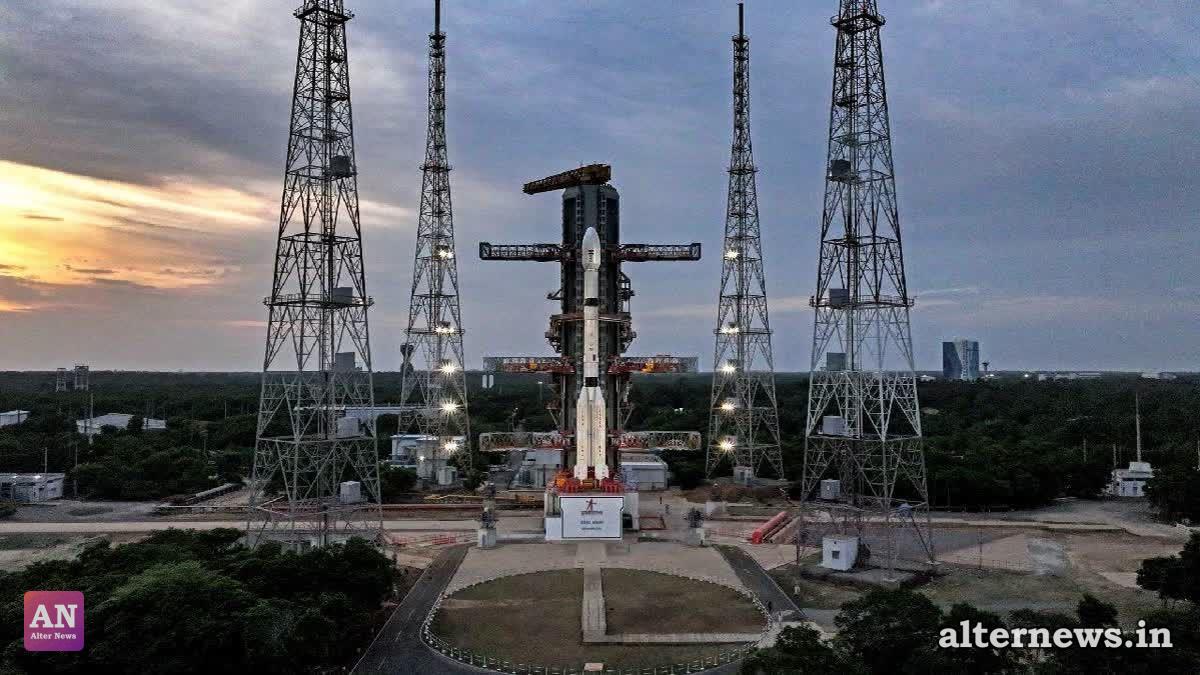
The EOS-05 mission (also referred to as GISAT-1A) was launched aboard the Heavy-lift Geosynchronous Satellite Launch Vehicle (GSLV-F17) from the Satish Dhawan Space Centre in Sriharikota.
Unlike traditional Earth observation satellites operating in Low Earth Orbit (LEO) that pass over specific points at scheduled intervals, EOS-05 is positioned in a high-altitude geosynchronous orbit.
Designed with multi-band operating capabilities, the advanced spacecraft will deliver high-resolution continuous imagery crucial for agricultural monitoring, forestry tracking, disaster management response, and oceanographic observation.
With the primary orbital placement phase completed, ISRO engineers will perform final subsystem checks and payload calibrations over the coming days before commissioning the satellite for regular operational service.