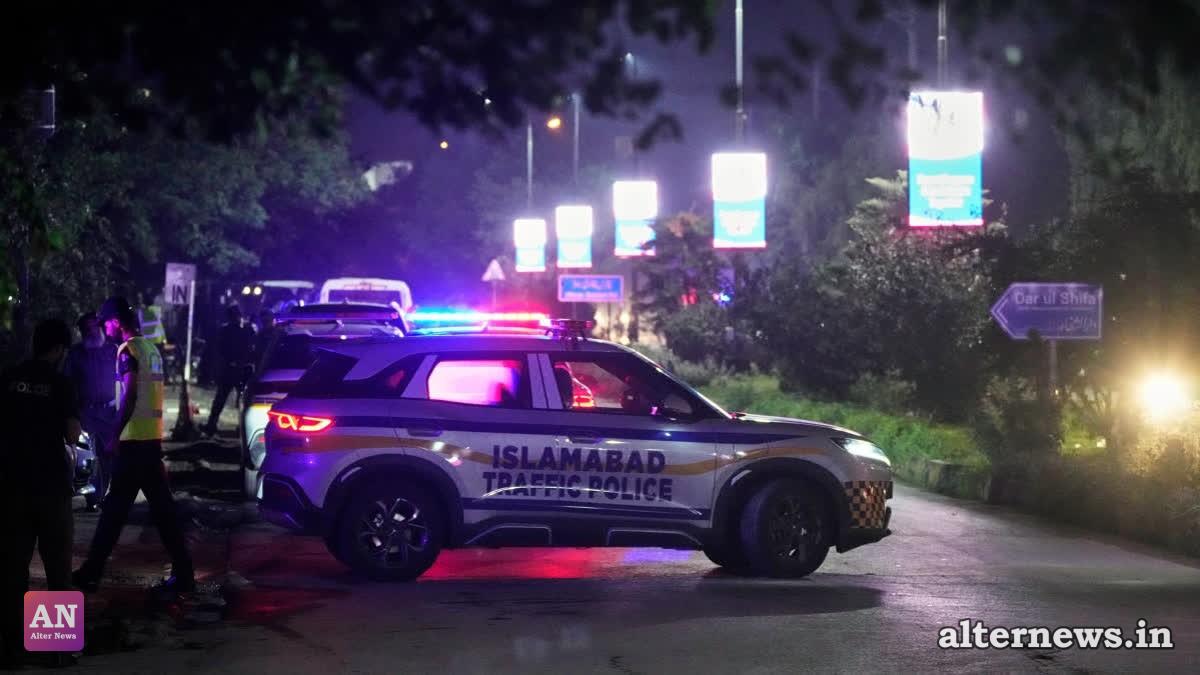
ISLAMABAD — A devastating fire swept through the Neonatal Intensive Care Unit (NICU) of a government-run hospital in Pakistan, leaving at least 15 newborn infants dead and causing widespread grief and outrage across the region.
The tragic incident occurred late in the evening when a sudden blaze erupted inside the specialized ward, which was housing dozens of critically ill and premature infants. According to preliminary investigations by local law enforcement and emergency response officials, the fire is suspected to have been triggered by a short-circuit in one of the unit's air conditioning systems.
Witnesses reported seeing thick, suffocating smoke billowing from the NICU windows within minutes of the initial electrical spark. Panicked medical personnel, hospital staff, and desperate parents rushed to rescue the vulnerable infants trapped inside, breaking glass windows and attempting to navigate the smoke-filled corridors before firefighters arrived on the scene.
While emergency crews were able to pull several infants to safety and transfer them to nearby medical facilities for urgent treatment, 15 newborns succumbed to smoke inhalation and severe burn injuries. Medical authorities confirmed that many of the surviving infants remain in critical condition due to severe respiratory complications caused by toxic smoke.
Regional government leaders have ordered an immediate high-level inquiry into the incident to ascertain the exact cause of the fire and to determine whether standard safety protocols and emergency systems were operational at the time of the disaster. Initial reports suggest that delayed fire suppression and inadequate ventilation accelerated the spread of smoke within the enclosed unit.
Public outrage has mounted quickly, with families of the victims demanding accountability for structural maintenance failures and inadequate fire safety measures in public healthcare facilities. Local police have cordoned off the affected wing for forensic evaluation as investigators inspect the electrical wiring and equipment.
This horrific tragedy highlights ongoing concerns regarding infrastructural safety standards and routine maintenance procedures across public hospitals in the country. Further details are expected to emerge as the official inquiry proceeds.