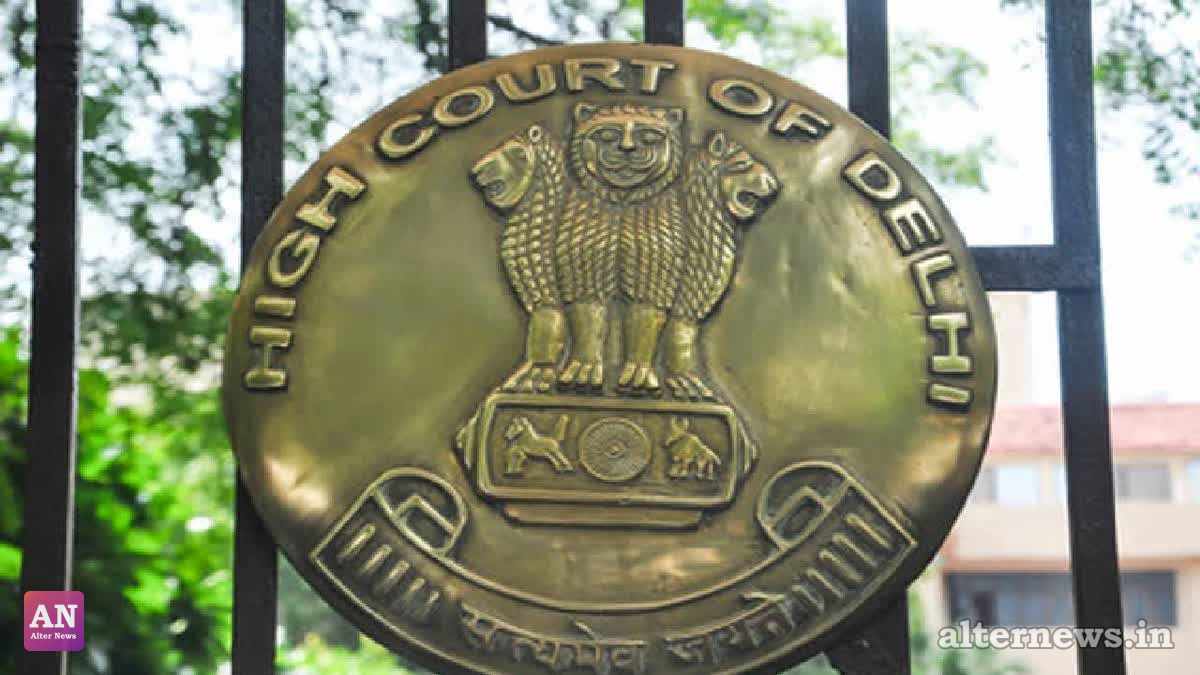
NEW DELHI — Following Prime Minister Narendra Modi’s call for swift, stringent penalties for exam fraud, the Delhi High Court on Thursday created a specialized Fast Track Court at the Rouse Avenue Courts Complex.
Under the direction of Chief Justice D.K. Upadhyaya, judicial officer Anu Grover Baliga has been posted as Special CBI Judge to preside over the newly created court. The tribunal will exclusively try offences under the Public Examinations (Prevention of Unfair Means) Act, 2024. Per orders from Registrar General, all pending cases related to public exam leaks will be transferred to this court with immediate effect.
Nationwide Expansion and Stricter Penalties
The Delhi court is part of a broader federal push. The Union government has initiated steps to set up similar fast-track courts across multiple jurisdictions, prioritizing the High Courts of Bombay, Calcutta, and Madhya Pradesh.
Offenders prosecuted under the anti-cheating law—which covers exams conducted by the NTA, UPSC, SSC, and central ministries—face up to five years in prison and fines reaching ₹10 lakh.
Deadlock with Protesters
Despite these judicial measures, student protests led by the Cockroach Janta Party (CJP) at Jantar Mantar have entered their second month.
Minister of State Jitendra Singh stated that the government has made four formal outreach proposals over the past 24 hours, offering open-ended talks with designated interlocutor J.P. Nadda. However, Singh noted that the protesting groups have remained unresponsive.