NEW DELHI: India’s National HPV Vaccination Campaign has crossed a major public health milestone, with the administration of more than 80 lakh doses of the Human Papillomavirus (HPV) vaccine.
According to the Ministry of Health and Family Welfare, the milestone marks a massive stride forward in strengthening preventive healthcare and curbing HPV-associated cancers, particularly cervical cancer, which remains one of the most common threats to women's health.
Uttar Pradesh Emerges as Top Performer
Among all states and Union Territories, Uttar Pradesh has emerged as the leading performer, vaccinating over 22 lakh adolescent girls.
Government data indicates that four states—Gujarat, Uttar Pradesh, Madhya Pradesh, and Mizoram—have successfully achieved 100 percent coverage of their identified target cohorts.
Rigorous Safety and Digital Tracking
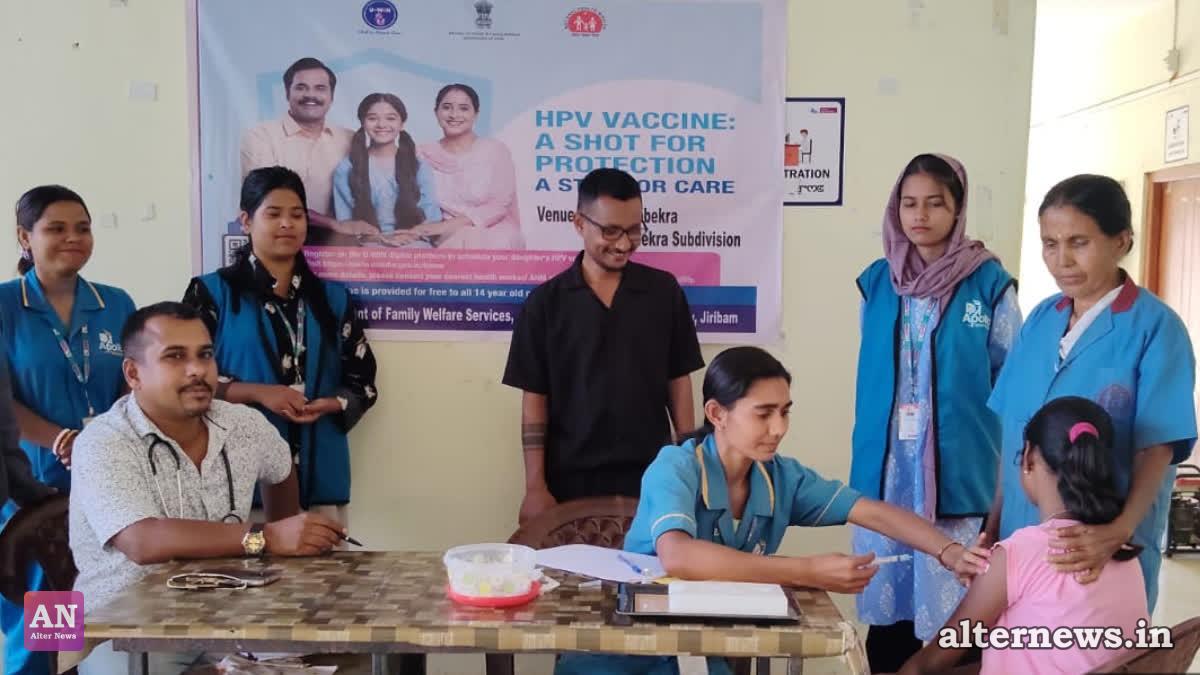
To ensure absolute safety, the Ministry noted that all vaccination sessions are conducted under strict medical supervision.
The rollout is closely tracked via the U-WIN digital platform, allowing health authorities to monitor progress dynamically as the campaign enters its subsequent phases.
With the drive picking up impressive momentum nationwide, health authorities are now shifting their immediate focus toward tracking down and immunizing remaining eligible beneficiaries to secure a cancer-free future for the country's younger generation.