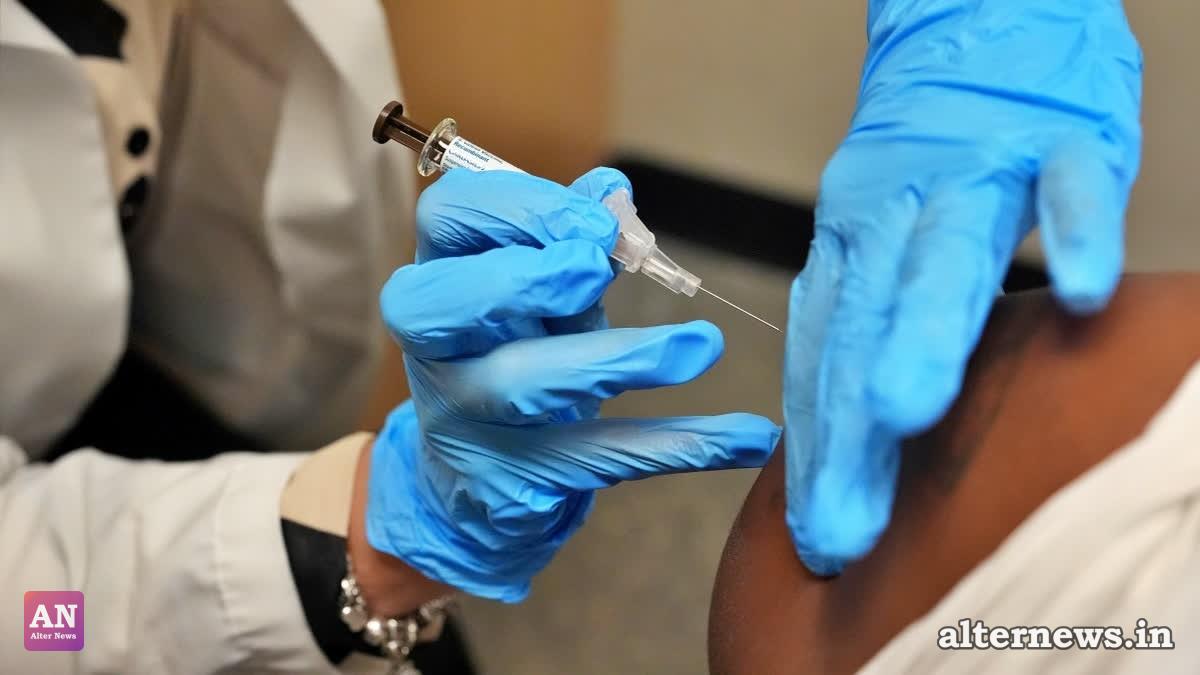
NEW YORK — Public health authorities continue to emphasize the critical role of human papillomavirus (HPV) vaccination in preventing several forms of cancer later in life.
Routine Immunization for Preadolescents
Health agencies routinely recommend the HPV vaccine for children aged 11 or 12 years, though administration can safely begin as early as age 9. Vaccinating preteens ensures they build robust immunity well before any potential exposure to the virus through sexual activity.
For individuals initiating the vaccination series before their 15th birthday, the standard regimen consists of two doses administered 6 to 12 months apart.
Catch-Up Vaccination for Teens and Young Adults
Catch-up HPV vaccinations are recommended for all individuals through age 26 who were not adequately vaccinated during early adolescence.
Ages 15 through 26: Individuals who start the vaccination series at age 15 or older require a three-dose schedule (typically administered at 0, 1–2, and 6 months) to achieve optimal protection.
Immunocompromised Individuals: Patients with specific immunocompromising conditions aged 9 through 26 must also follow the three-dose regimen, regardless of when they begin.
Shared Clinical Decision-Making for Adults Aged 27 to 45
Routine catch-up vaccination is generally not advised for adults over the age of 26. This is because a larger percentage of individuals in this age bracket have already been exposed to some strains of HPV.
However, health guidelines support shared clinical decision-making for certain adults aged 27 through 45 who are not adequately vaccinated.
Safety Profile and Special Populations
Global post-licensure monitoring confirms that serious adverse events linked to the HPV vaccine are extremely rare.
Health officials remind the public that the HPV vaccine is strictly preventative; it does not treat existing infections or diseases.
Healthcare professionals remain parents' most trusted source of guidance, encouraging families to address HPV immunization during routine adolescent check-ups to secure long-term cancer prevention.