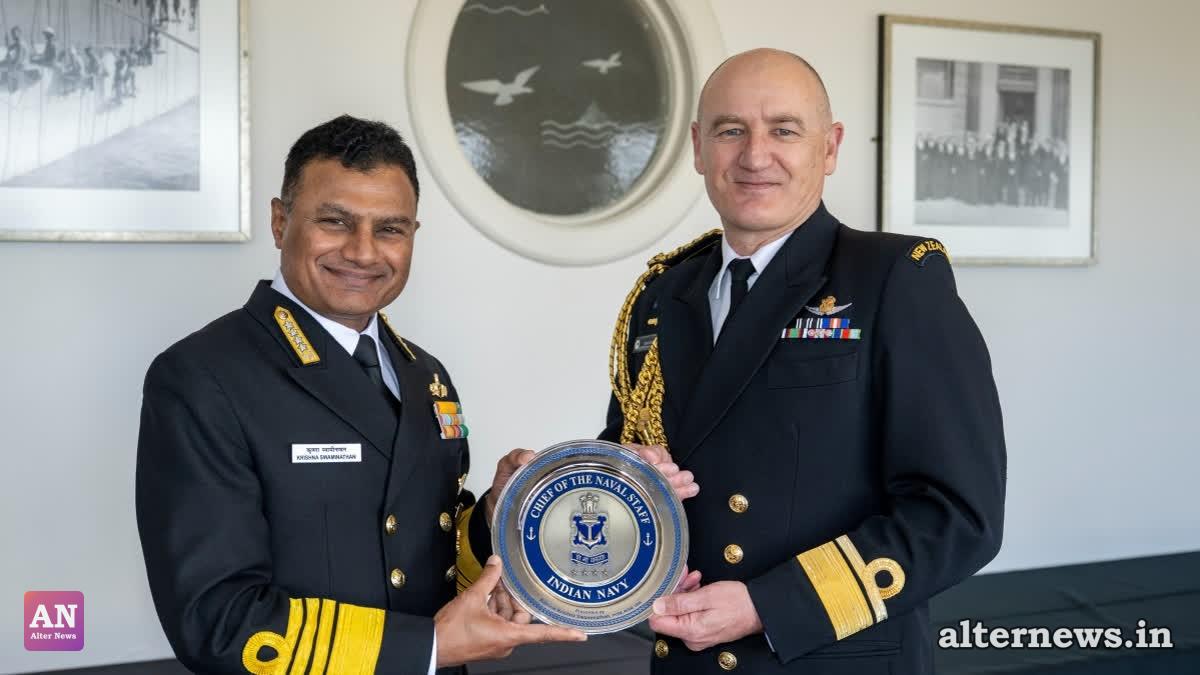
AUCKLAND / NEW DELHI — Deepening strategic footprints across the southern Indo-Pacific, Indian Navy Chief Admiral Krishna Swaminathan has concluded high-stakes talks with his New Zealand counterpart, cementing a roadmap that features a landmark maiden bilateral naval exercise slated for 2027.
The visit—part of a twin-nation diplomatic and operational outreach to Australia and New Zealand that kicked off on September 9—transitioned from symbolic heritage to concrete strategic deliverables at Devonport Naval Base.
A Māori Welcome and Shared Steel
Stepping onto the historic grounds of HMNZS Philomel, the home of the Royal New Zealand Navy in Auckland, Admiral Swaminathan was welcomed with a traditional Māori Powhiri at Te Taua Moana Marae. The ritual honored manaakitanga (deep hospitality and respect), setting a resonant tone for defense diplomacy.
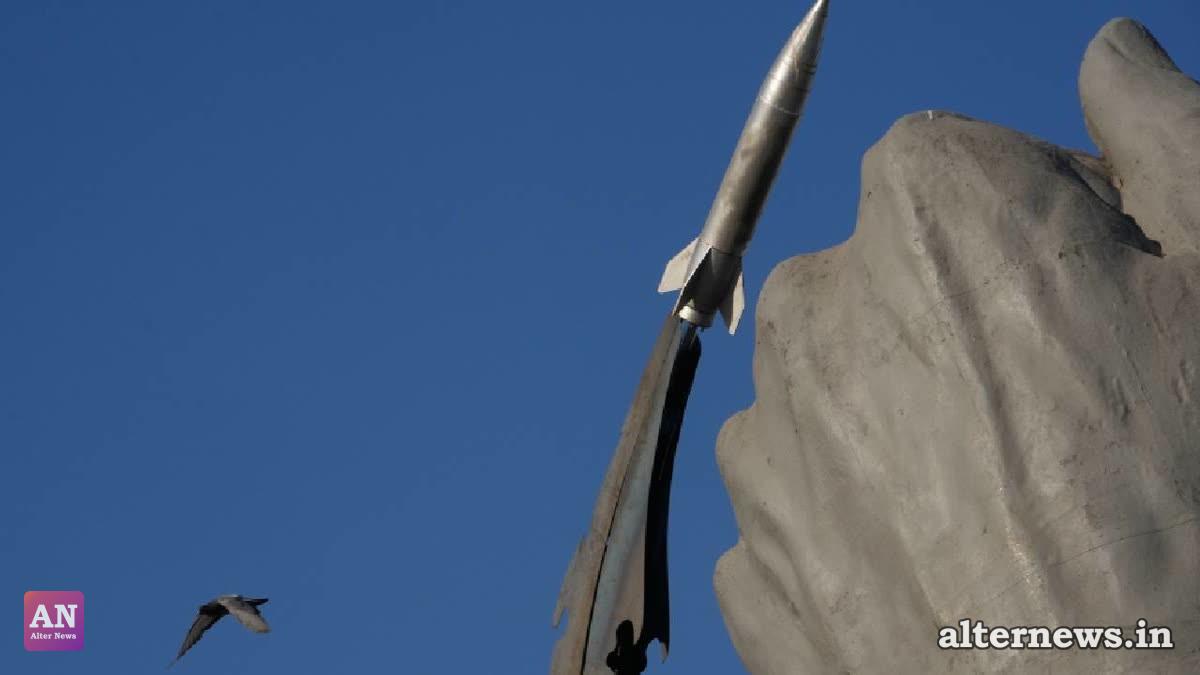
Adding a poignant touch of naval archaeology, the visit spotlighted a tangible artifact bridging decades of naval lineage: the historic 6-inch turret of HMNZS Achilles, the celebrated cruiser that later served the Indian Navy with distinction as INS Delhi.
The 2027 Roadmap: From Parley to Patrols
Behind closed doors, substantive talks between Admiral Swaminathan and Rear Admiral Garin Golding, Chief of the Royal New Zealand Navy, moved past pleasantries into tactical alignment.
Building directly upon the bilateral India–New Zealand Maritime Security Cooperation Arrangement, the two chiefs zeroed in on three operational pillars:
The 2027 Milestone: Laying down foundational standard operating procedures for India and New Zealand’s inaugural joint naval exercise.
Information Fusion: Upgrading real-time maritime domain awareness and intelligence-sharing channels across southern sea lanes.
Professional Interoperability: Expanding cross-training, staff talks, and technical exchanges.
Tying into MAHASAGAR
Defense analysts note that New Delhi’s growing engagement with Wellington aligns tightly with India’s overarching strategic doctrine—MAHASAGAR (Mutual and Holistic Advancement for Security and Growth Across Regions). As non-traditional maritime threats, illegal fishing, climate vulnerabilities, and great-power contestation reshape Pacific corridors, secondary and tertiary partnerships like India-NZ provide vital stabilizing mesh.
Following his Australian leg of the tour, Admiral Swaminathan’s New Zealand engagement signals that India’s blue-water diplomacy is no longer confined to the immediate Indian Ocean rim, but actively weaving a cooperative security network stretching deep into Australasia.