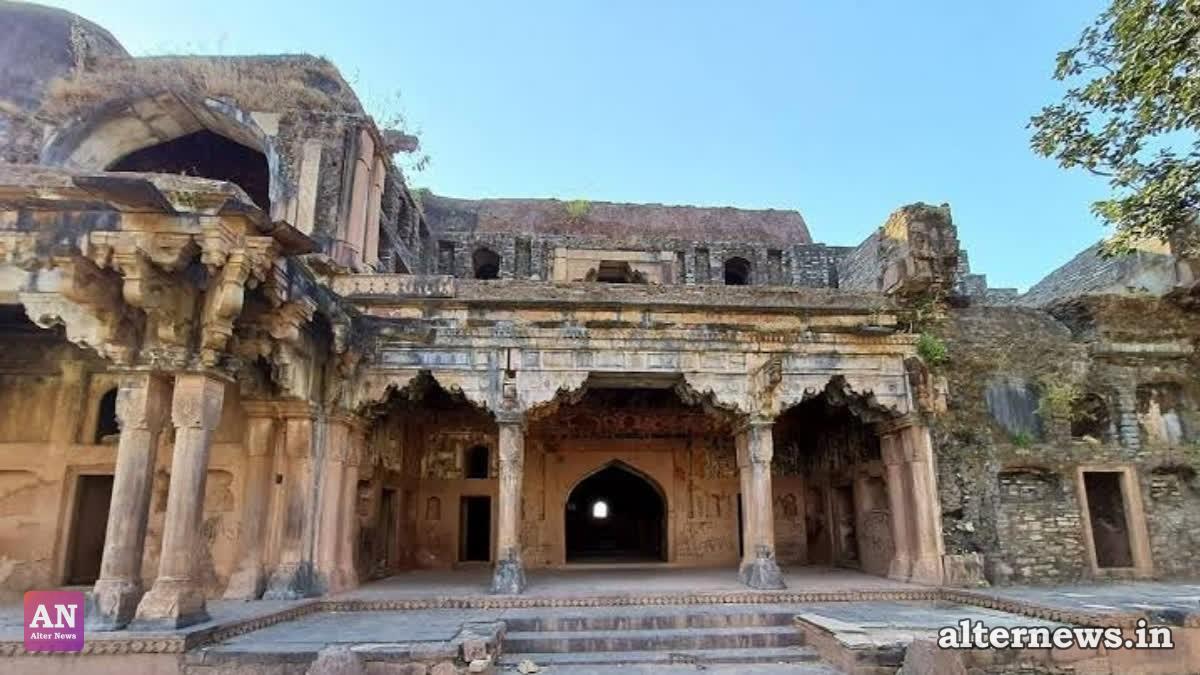
NEW DELHI: In a significant stride toward global recognition of the country's civilizational legacy, India has added five new sites and proposals to its UNESCO Tentative List for World Heritage, pushing the total count to 78. The announcement was hailed as a proud milestone by cultural authorities.
The fresh additions showcase an extraordinary breadth of history, architecture, and historical philosophy.
The newly added entries comprise:
Bagh Cave Paintings: Renowned for their remarkable rock-cut architecture and ancient mural traditions that rival classical art forms.
Udaigiri Caves: Iconic Gupta-period rock-cut sanctuaries near Vidisha bearing profound early Hindu and Jain iconography and epigraphical records.
Group of Temples of the Chambal Valley: An expansive architectural grouping reflecting unique regional temple construction styles and medieval craftsmanship.
Ginnorgarh: A historic hill fort nestled within the forested landscape of Raisen district, signifying strategic medieval architecture and tribal legacy.
Sites of Satyagraha (India-South Africa): A unique serial transnational proposal celebrating the philosophy, history, and key locations tied to Mahatma Gandhi’s Satyagraha movement across both nations.
Union Ministry officials noted that inclusion in the tentative list is a vital prerequisite before a property can be formally nominated for the final UNESCO World Heritage Site dossier. Officials emphasized that the continuous expansion of India's list underscores the government's dedicated commitment to preserving, documenting, and showcasing the nation's diverse heritage on the global stage.
This video provides a detailed overview of the five new cultural and historical landmarks recently included in India's UNESCO Tentative List.