UNITED NATIONS — Warning of severe global disruptions caused by regional armed conflicts, India has called on the international community to take unified action to safeguard critical sea lanes and keep global supply chains moving.
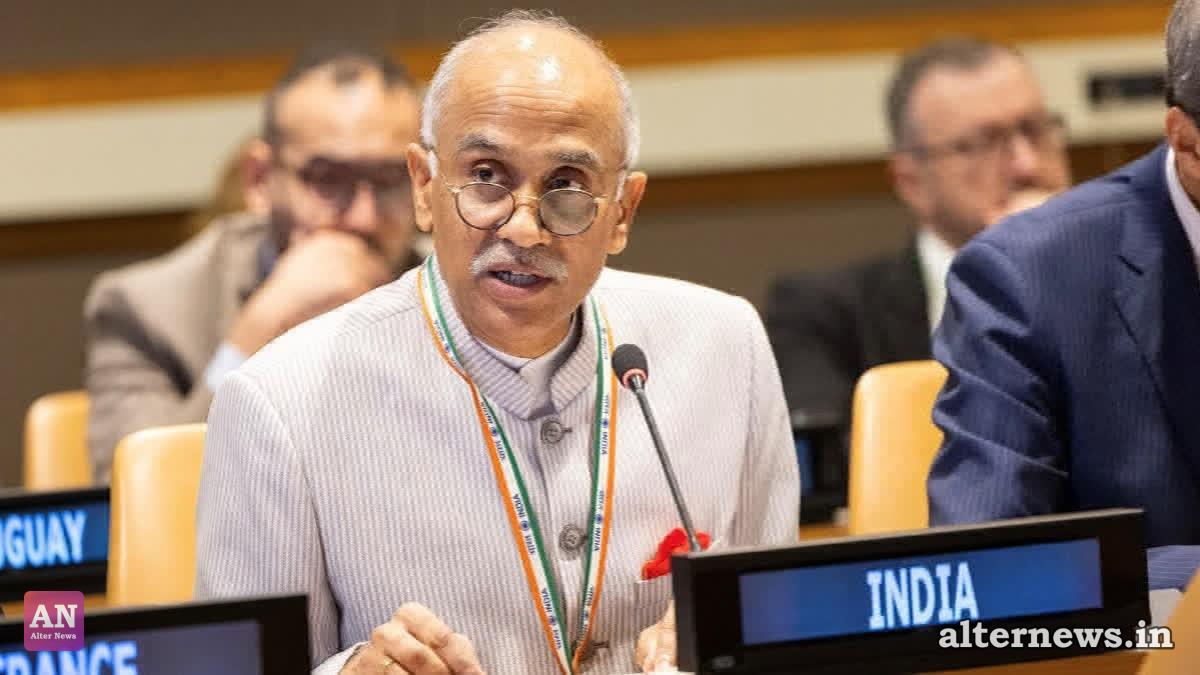
Addressing a UN Security Council High-Level Open Debate titled ‘Food Under Fire: The Security Council's Role in Mitigating Global and Local Food Crises’, India’s Permanent Representative to the United Nations, Ambassador Parvathaneni Harish, emphasized that secure and predictable maritime shipping routes are essential to ensure the uninterrupted delivery of food, fertilizers, fuel, and other vital commodities.
"Food insecurity remains one of the gravest humanitarian consequences of armed conflict. Today's conflicts increasingly generate ripple effects far beyond the immediate theatre of hostilities," Ambassador Harish stated. He pointed out that disruptions in energy markets, maritime transport, agricultural trade, and fertilizer supplies inevitably hit import-dependent developing nations the hardest.
India outlined that the Security Council's immediate priority must be to alleviate the human toll of conflict by ensuring safe and unimpeded humanitarian access while establishing de-confliction arrangements. Furthermore, New Delhi urged the Council to ensure its sanction regimes do not inadvertently hinder legitimate trade in agricultural inputs or obstruct humanitarian relief operations.
Underscoring the legal right to freedom of navigation under international law, Harish cautioned that interference with commercial vessels during conflict leads to compounding economic shocks. He urged member states to collaboratively protect maritime infrastructure so that commercial shipping and aid supplies can proceed without delay or disruption.
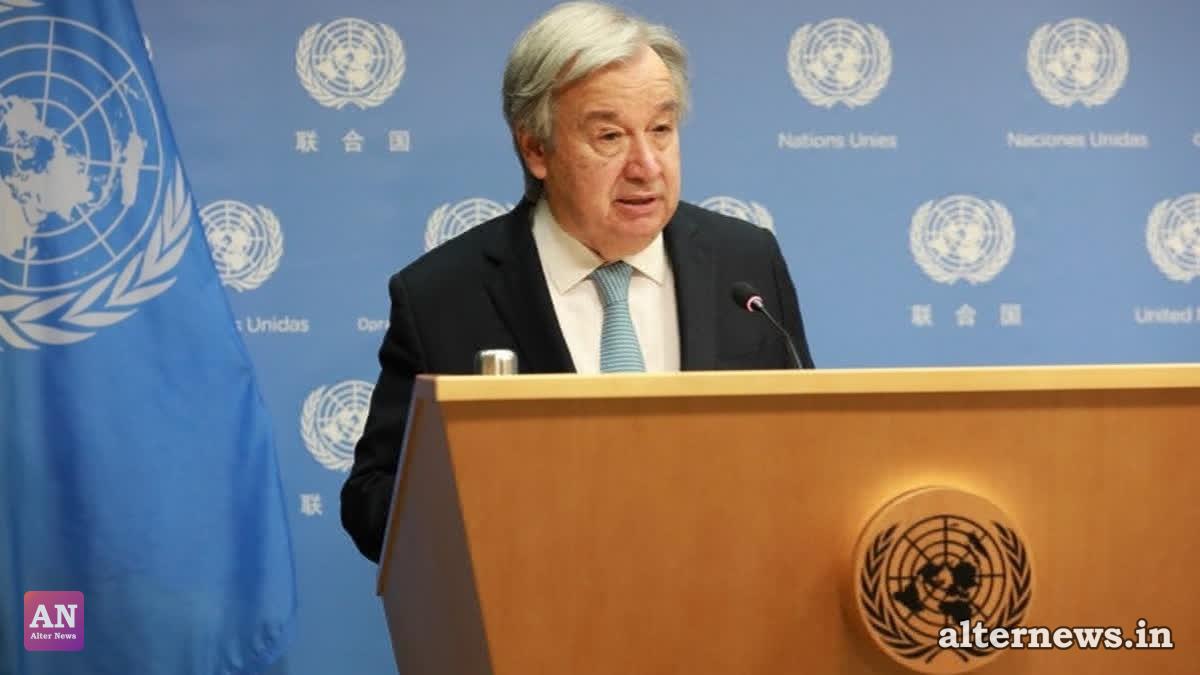
The envoy's remarks coincided with alarming data presented by UN Secretary-General António Guterres, who noted that conflict pushed acute global hunger to unprecedented levels, leaving at least 266 million people facing severe food insecurity. Guterres highlighted ongoing disruptions in key maritime bottlenecks—such as the Strait of Hormuz and the Red Sea—which continue to drive up global commodity prices and compromise vital supply lines.
In its policy recommendations to the Council, India argued that food insecurity is fundamentally a symptom of conflict, political instability, and underdevelopment rather than their root cause. Harish called for evidence-based, objective assessments of supply chain shocks led by technical bodies like the Food and Agriculture Organization (FAO) and World Food Programme (WFP), free from political influence.
Concluding his address, the Indian envoy urged international partners to bolster long-term agricultural capacity in the Global South. He cautioned against an over-reliance on centralized production models—which remain susceptible to geopolitical leverage—advocating instead for support to smallholder farmers and the adoption of climate-resilient crops like millets.