TEHRAN / WASHINGTON — Diplomatic efforts in West Asia have yielded a major breakthrough as Iran and Oman reached an initial understanding to temporarily reopen the Strait of Hormuz to commercial shipping for a 60-day window, according to regional diplomatic sources.
The proposed agreement, which remains subject to final review and approval by Iran’s Supreme National Security Council (SNSC), outlines clear navigation protocols to restore maritime traffic through the vital oil transit route. Under the terms of the draft, vessels entering the Persian Gulf will navigate routes adjacent to Iranian coastal waters, while outgoing ships will utilize channels closer to Oman.
To facilitate smooth operations, the deal stipulates that no transit fees or service charges will be levied on passing vessels. Additionally, regional maritime stakeholders may cooperate on demining operations and technical navigation procedures along the waterway.
If endorsed by Tehran’s security council, the understanding is expected to pave the way for the United States and Iran to reactivate Paragraph 5 of their broader peace Memorandum of Understanding (MoU) signed earlier this year, which focuses specifically on protecting commercial navigation. High-level indirect communications between Washington and Tehran via international mediators have reportedly entered their final stage.
The shipping corridor had been heavily restricted since late February following escalating military strikes between Iran, Israel, and the United States, prompting Tehran to assert tighter control over the choke point.
Commenting on the developments from the Oval Office, US President Donald Trump expressed optimism regarding the diplomatic momentum and signaled that the broader confrontation could be nearing an end.
"We had no choice—they cannot have a nuclear weapon," President Trump told reporters, reiterating Washington’s non-proliferation posture. "Based on everything I see, as soon as the war ends—and I think the war's got to end pretty soon—I don't think they can go much longer."
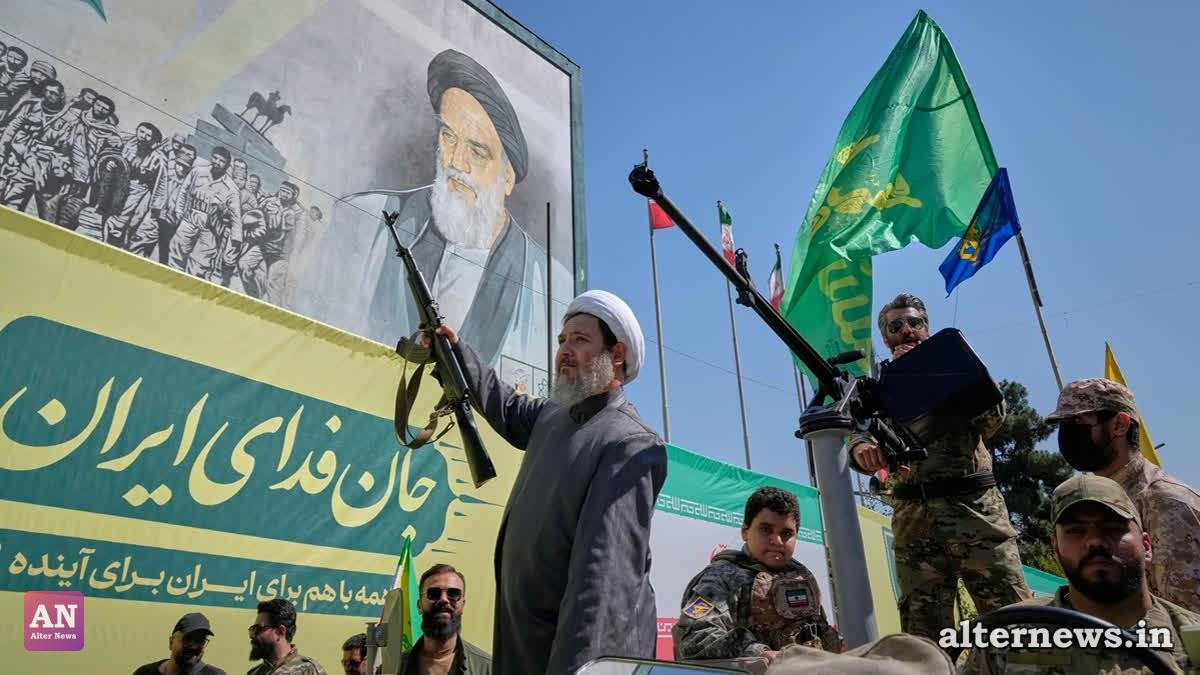
Despite the active diplomatic channels, military readiness on the ground remains heightened. Speaking in Tehran, Iran’s Acting Defence Minister, Brigadier General Majid Ebn-e-Reza, emphasized that the Iranian Armed Forces remain fully prepared to neutralize potential security threats, attributing Tehran's defense resilience to its domestic military production capacity.
Official announcements regarding the final ratification of the Hormuz agreement are anticipated in the coming days.