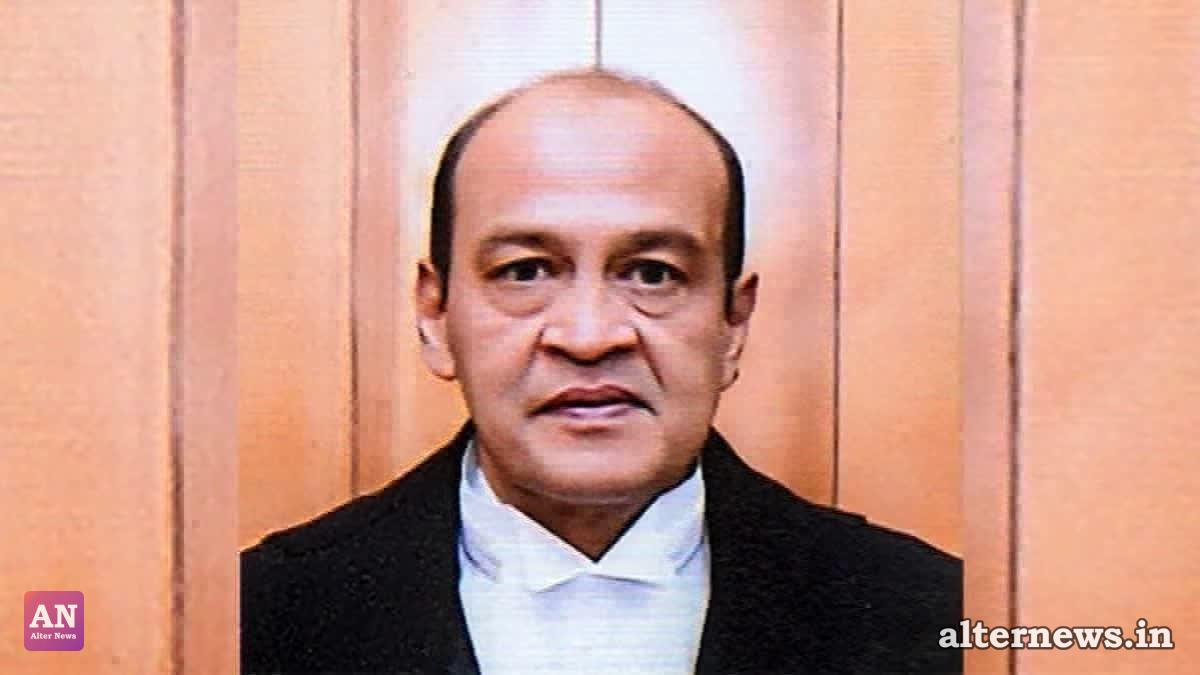
NEW DELHI — The inquiry committee report investigating severe allegations against former High Court judge Justice Yashwant Varma was officially presented to the Lok Sabha on Wednesday, following an extensive investigation into unaccounted cash found at his official residence.
According to the Lok Sabha's official list of business, the Secretary-General laid the two-volume report along with oral evidence in the House. The statutory presentation was conducted in compliance with provisions specified under the Judges (Inquiry) Act, 1968.
The three-member probe panel had originally submitted its findings to Lok Sabha Speaker Om Birla in May. Speaker Birla had constituted the inquiry panel on August 12, 2025, after removal proceedings were initiated against the judge in Parliament.
Background of the Cash-at-Residence Controversy
The controversy dates back to the night of March 14, 2025, when a fire broke out at Justice Varma’s official bungalow in New Delhi. Firefighters summoned to extinguish the blaze allegedly uncovered massive stacks of partially burnt currency notes hidden inside a storeroom on the premises.
Following the discovery, an internal in-house committee formed by then Chief Justice of India Sanjiv Khanna concluded that Justice Varma maintained "active or tacit control" over the specific storeroom where the unaccounted money was stored.
In July 2025, over 200 Members of Parliament across party lines signed an impeachment motion calling for the judge's removal from office. Subsequently, Justice Varma—who was serving at the Delhi High Court at the time—was repatriated to his parent court, the Allahabad High Court.
Resignation and Legal Implications
Faced with impending parliamentary impeachment, Justice Varma formally submitted his resignation as a judge of the Allahabad High Court. Legally, the tender of resignation rendered the removal motion "infructuous."
Under established constitutional precedents set by the Supreme Court, a judge is deemed to have resigned the moment their resignation letter is delivered to the President of India and made public. Although a judge’s resignation does not require formal executive approval to take effect, standard administrative procedure involves formal acceptance followed by a notification issued by the Department of Justice under the Ministry of Law and Justice.