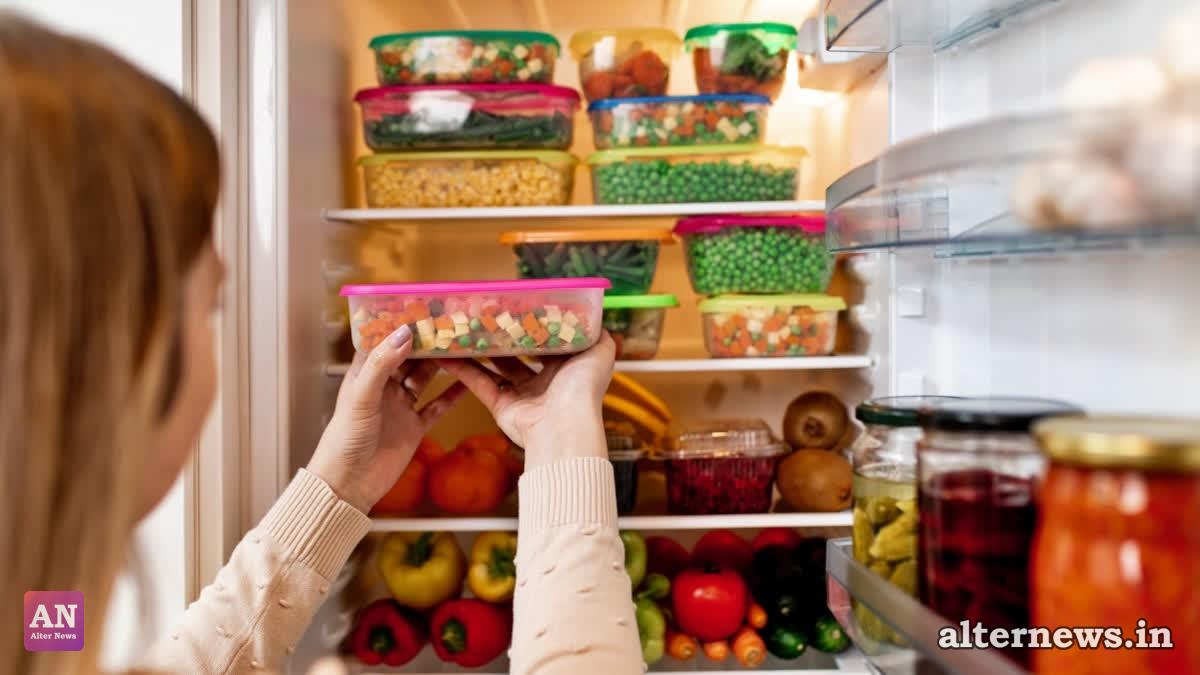
NEW DELHI — The refrigerator is easily one of the most frequently accessed appliances in any home. From early morning milk runs to late-night snacking and storing dinner leftovers, its doors are opened dozens of times a day. Yet, for many households, a common assumption persists: bringing fresh fruits and vegetables home from the market and shoving them straight into the fridge is enough to guarantee freshness.
In reality, a refrigerator is not a magic preservation box. Without proper storage techniques, fresh produce can rapidly lose flavor, change texture, or spoil within days. Understanding what belongs inside the fridge, what should stay on the counter, and how to maintain the appliance can drastically extend the shelf life of groceries and lower monthly electricity bills.
Items You Should Never Refrigerate
Not all produce thrives in cold, humid environments. In fact, exposure to low temperatures can degrade the natural flavor and quality of several everyday staples:
Potatoes: Cold temperatures convert potato starches into sugar, drastically altering their natural flavor and resulting in a gritty texture when cooked.
Garlic and Onions: High humidity inside a refrigerator softens onions and causes garlic to sprout. Excess moisture creates an ideal environment for mold growth. Both should be stored in a cool, dry, and well-ventilated space.
Tomatoes: Chilling fresh tomatoes damages their cellular membranes, making them mealy and suppressing the chemical compounds responsible for their rich flavor.
Honey: Honey has an indefinite natural shelf life at room temperature. Refrigeration causes it to harden and crystallize into a solid block.
Bread: Storing bread in the fridge accelerates the retrogradation of starch, causing it to dry out and stale faster than if kept on the counter.
Smart Storage Hacks to Keep Vegetables Fresh in the Fridge
To maximize the lifespan of produce that does require refrigeration, minor adjustments in prep and packaging make a major difference:
Paper Towels and Plastic Bags: Moisture is the primary catalyst for decay in leafy greens. Wrap vegetables in tissue paper or paper towels before placing them in breathable plastic bags. The paper absorbs excess condensation, keeping greens crisp.
Remove Stems and Roots: Strip the stems from green chillies and trim the root clusters off coriander leaves before storing them. These parts hold damp dirt and excess moisture that speed up rotting.
Airtight Glass and Jars: Keep fresh lemons immersed in water inside a closed glass jar or stored airtight to prevent them from drying out into hard leather.
Foil for Dairy Products: Wrap fresh paneer and cheese tightly in aluminum foil. This prevents air exposure and stops dairy from absorbing strong odor from neighboring foods.
Ventilated Storage for Ginger: Store ginger in a loosely open plastic bag or mesh pouch to ensure subtle air movement without drying it out.
Prompt Leftover Consumption: Do not leave cooked meals in the fridge for weeks. Leftovers are best consumed within 24 to 36 hours and should always be stored in food-grade, airtight glass or BPA-free containers rather than open steel dishes.
Everyday Refrigerator Habits That Save Food and Energy
Proper preservation relies heavily on maintaining optimal operating conditions within the appliance:
Ideal Temperature: Keep your refrigerator temperature set between 4°C and 7°C (39°F to 45°F) year-round to balance energy efficiency with bacterial growth prevention.
Refrigerate Milk Immediately: Fresh milk left on the kitchen counter rapidly develops bacteria. Store it on a main shelf near the back rather than in the door racks, where temperatures fluctuate most.
Keep Doors Sealed: Leaving the fridge door slightly ajar causes cold air to spill out. The compressor must work twice as hard to regain thermal equilibrium, driving up household power bills.
Power Outage Care: During extended electrical blackouts, keep the refrigerator door closed. A sealed, unopened fridge can preserve cold temperatures for several hours.
Avoid Nightly Shut-offs: Switching off the refrigerator overnight to save power is counterproductive; the resulting temperature spikes cause rapid food spoilage and require more energy to cool down the next morning.
Monthly Cleaning and Deodorizing Routine
A clean refrigerator is essential for food safety and hygiene. Establishing a monthly deep-cleaning routine keeps bacterial growth and unpleasant odors at bay:
Unplug and Empty: Turn off the power supply, unplug the unit, and clear out all contents.
Natural Cleansing Solution: Mix warm water with a small amount of baking soda or fresh lemon juice. Avoid harsh chemical detergents that can transfer residual smells to raw food.
Detail the Seals: Use an old toothbrush dipped in the baking soda solution to scrub dirt, crumbs, and mold out of the rubber door gaskets.
Dry Thoroughly: Wipe down all internal walls, glass shelves, and crisper drawers with a soft microfiber cloth. Ensure all surfaces are dry before turning the unit back on and reloading food.
Eliminate Odors: Keep an open bowl filled with baking soda or dry coffee grounds on a middle shelf to continuously absorb and neutralize unwanted food odors.