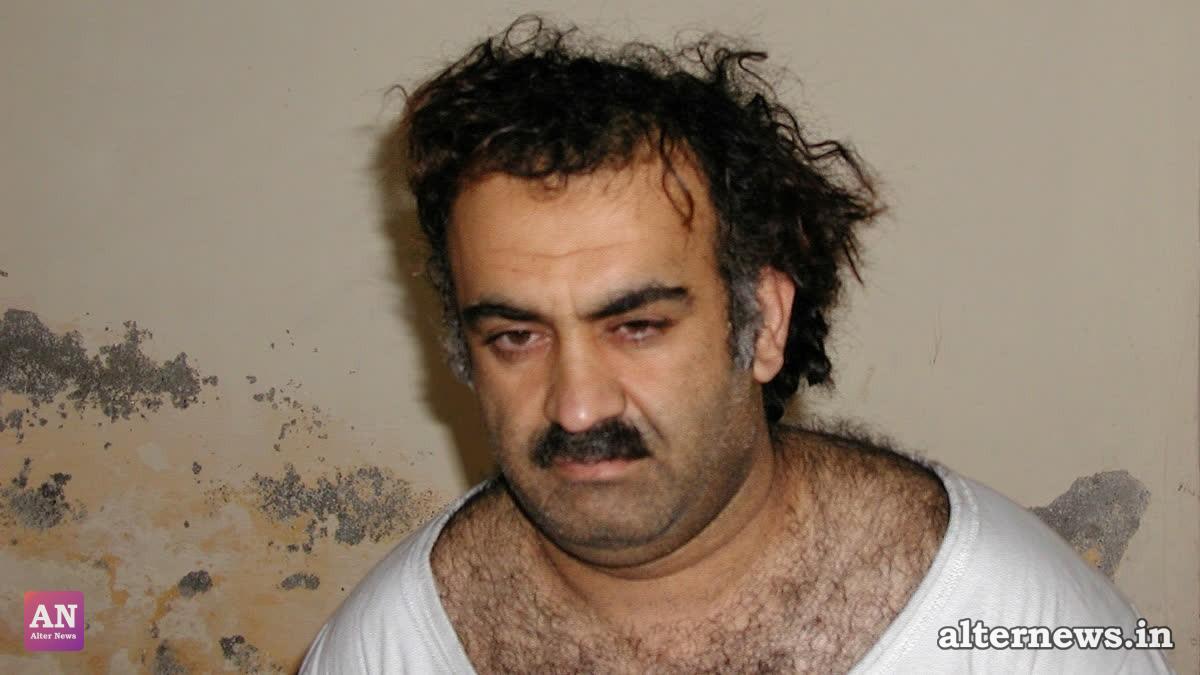
WASHINGTON — More than two decades after hijacked airliners struck the World Trade Center and the Pentagon, a U.S. military judge has officially set a summer 2028 trial date for Khalid Sheikh Mohammed, the alleged mastermind behind the September 11, 2001, attacks, and three of his co-defendants.
Air Force Lt. Col. Michael A. Schrama issued the order on Wednesday, scheduling the trial to commence on June 5, 2028. The timeline grants an 18-month extension beyond the January 2027 start date requested by federal prosecutors.
In his ruling, Lt. Col. Schrama noted that the additional time is crucial to resolve mounting evidentiary disputes and complete extensive pretrial proceedings that have repeatedly bogged down the historic prosecution.
Decades of Legal Entanglements
The U.S. government and successive presidential administrations have struggled for over 20 years to bring Mohammed and his co-defendants to trial.
Mohammed is accused of conceptualizing, orchestrating, and directing the 2001 plot in which al-Qaida operatives hijacked four commercial airliners. Two hit the Twin Towers in New York City, one struck the Pentagon in Virginia, and a fourth crashed into a field near Shanksville, Pennsylvania, killing nearly 3,000 people.
Standing trial alongside Mohammed are alleged accomplices Walid bin Attash, Ali Abdul Aziz Ali, and Mustafa al-Hawsawi. All four men remain held at the U.S. naval base at Guantanamo Bay, Cuba, representing some of the highest-profile long-term detainees at the facility.
Fragile Schedule and Failed Plea Deals
Court officials cautioned that the newly established June 2028 date remains contingent on both the defense and prosecution meeting strict procedural milestones. The proceedings could face further delays if legal hurdles arise, reflecting past setbacks—including a trial date scheduled for 2021 that was ultimately canceled.
The date setting comes after significant political and judicial turns in the case. Last year, a federal appeals court threw out a pre-trial plea agreement negotiated over two years. The aborted deal would have allowed Mohammed and two co-defendants to plead guilty in exchange for life sentences without parole, avoiding the death penalty while requiring them to answer unresolved questions for victims' families.
However, the Biden administration ultimately repudiated the agreement, sending the case back into the military commission process to face a full capital trial.