NEW DELHI — Tensions in the high-altitude region of Ladakh are set to escalate further after key political and civil society representatives expressed strong disappointment over their latest round of talks with the Ministry of Home Affairs (MHA), warning of widespread public protests against any attempt to implement irreversible administrative or political changes before a democratically elected Union Territory-level governance framework is established.
The dialogue, held in New Delhi between the MHA sub-committee and a joint delegation of the Leh Apex Body (LAB) and the Kargil Democratic Alliance (KDA), was aimed at finalizing constitutional safeguards and defining the administrative contours of the region under Article 371. However, local leaders emerging from the session characterized the discussions as virtually fruitless, citing the central government's failure to present a concrete draft framework for the proposed legislative assembly.
"We are sad as the meeting was completely ineffective. We were expecting the government would have readied the draft on the UT body, but nothing concrete has happened," said prominent climate activist Sonam Wangchuk shortly after the talks wrapped up, comparing the outcome to a routine procedural stalling tactic where the primary result was merely scheduling the next meeting for October.
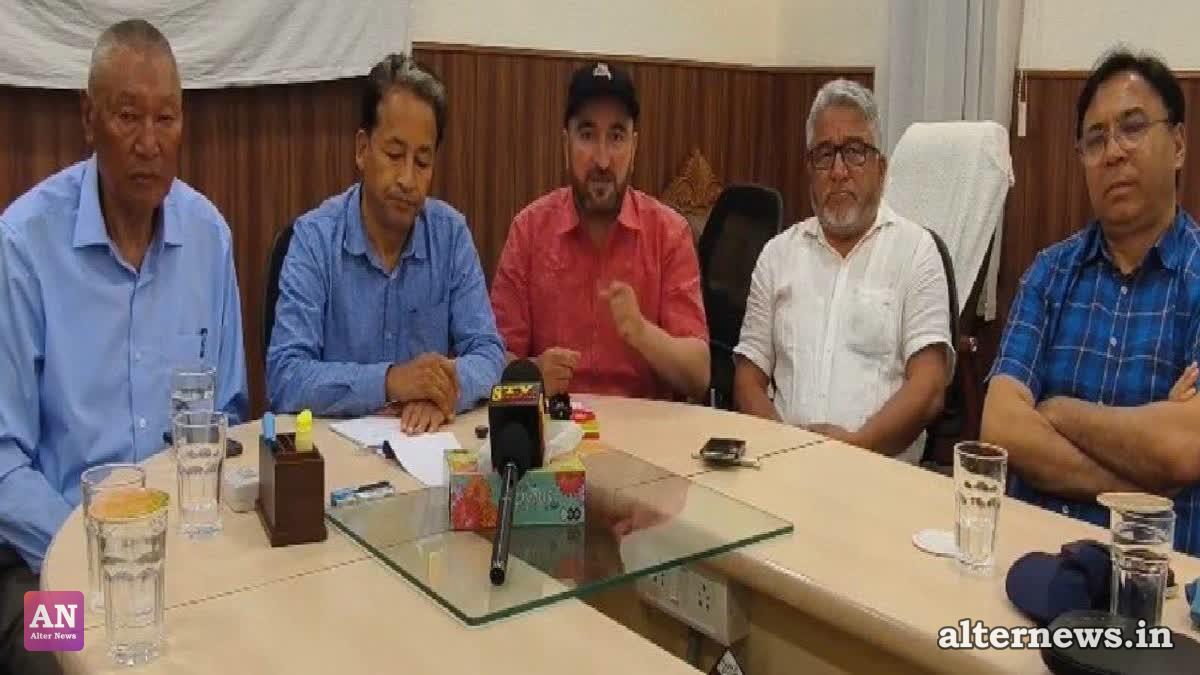
In a unified statement issued shortly after the session, LAB leader Chering Dorje Lakruk and KDA representative Asgar Ali Karbali made it clear that the region would resist any unilateral decisions regarding land, administration, or political restructuring during the interim period.
"We unanimously stated that no major irreversible restructuring should be done in governance mechanisms, land transfers, etc., before an elected body at the Union Territory level is in place," the joint statement emphasized. The delegation warned that any attempts to alter the administrative setup without popular consent would compel the leadership to launch a region-wide public agitation.
During the session, MHA representatives conveyed that the proposed UT-level body would be directly elected by citizens and granted legislative powers over critical areas such as land, environment, language, forest cover, and natural resources under Article 240. The central ministry also assured that the body would possess robust financial, executive, and budgetary autonomy.
However, delegates from Ladakh voiced deep skepticism regarding the lack of clarity over home, law and order, and policing responsibilities—pointing to the limited powers granted to the Union Territory of Puducherry as a major concern. The joint leadership reiterated that control over local policing and public order remains central to their draft demands submitted during earlier discussions in Leh.
The meeting also addressed the lingering fallout from the violent September 2025 agitations, during which four people lost their lives and dozens were injured following a high-profile hunger strike led by Wangchuk. The MHA assured the delegation that financial compensation would be granted to the families of those deceased and injured. While the UT administration recently filed closure reports dropping charges against 25 individuals, the delegation pressed the ministry for an immediate, blanket withdrawal of all pending FIRs against peaceful demonstrators.
With the MHA promising to present a drafted legislative Article during the next scheduled round of talks in early October, the leadership of Ladakh has made its stance clear: the peace in the frontier region will depend on whether the central government honors the democratic aspirations and land rights of its people.