NEW DELHI — Prime Minister Narendra Modi’s initiative to erect a multi-layered, home-grown air defense dome—termed Mission Sudarshan Chakra—is rapidly moving forward.
Step-by-Step Interceptor Rollout
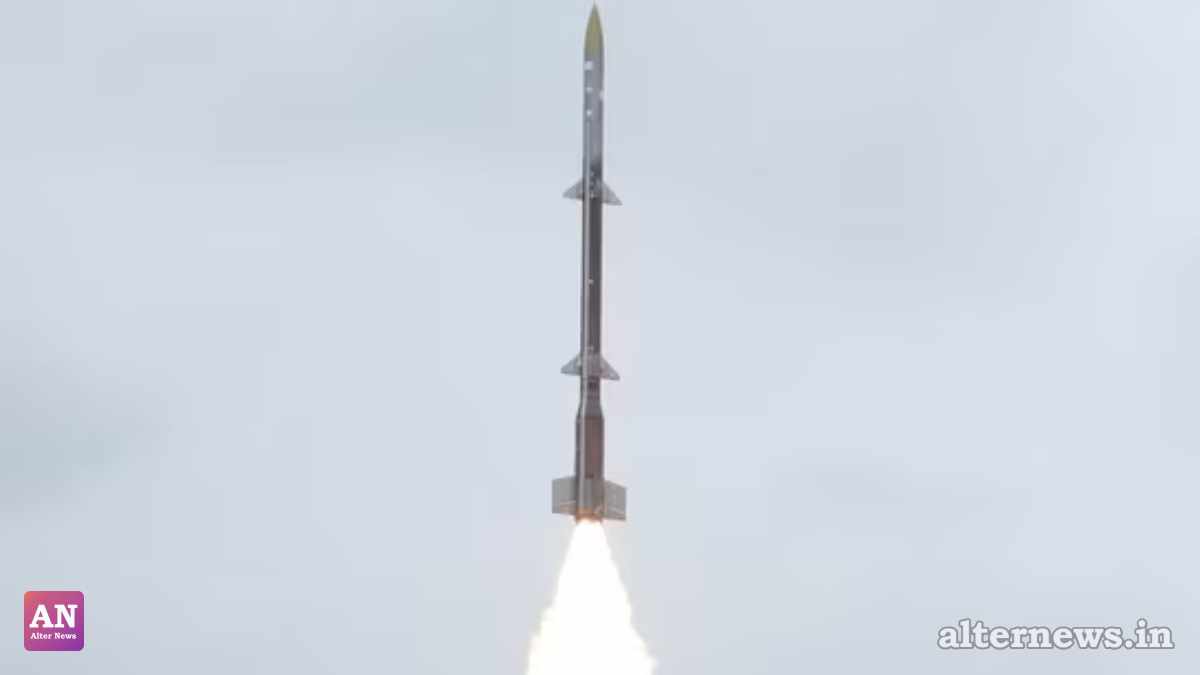
The trials follow DRDO's successful maiden flight-test of the Kusha M-1 interceptor (120 km range) off the coast of Odisha.
M-1 Interceptor: Tested for engagement targets up to 120 km.
M-2 Interceptor: Mid-tier interceptor targeted for ranges up to 150 km.
M-3 Interceptor: Long-range interceptor built to destroy high-altitude threats at distances up to 400 km.
Bridging India’s Air Defense Networks
Project Kusha was initially approved by the Cabinet Committee on Security in May 2022, but development gained significant momentum following Operation Sindoor.
The three Project Kusha interceptors are long-range surface-to-air missiles engineered to neutralize stealth aircraft, cruise platforms, and heavy drone swarms.
By filling the critical operational gap between India's 80 km Medium-Range Surface-to-Air Missiles (MRSAM) and long-range systems like the S-400 Triumf, Kusha will serve as the backbone of the country's anti-ballistic shield.