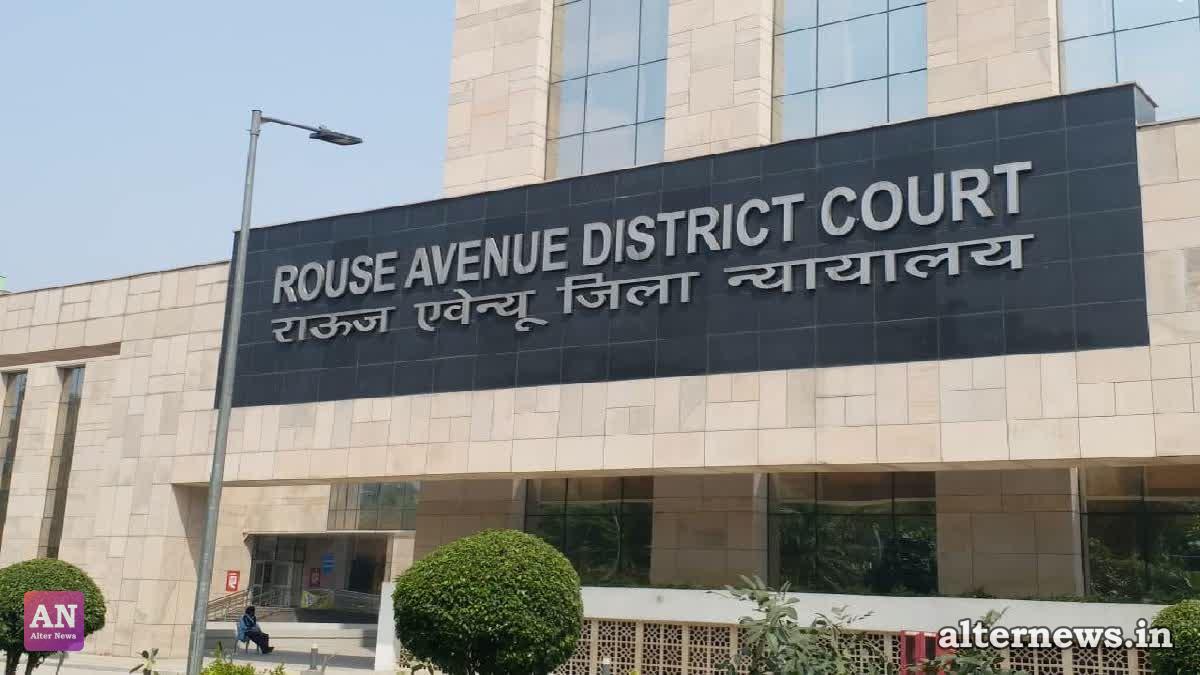
NEW DELHI — A special fast-track court at Rouse Avenue in the national capital has rejected a plea filed on behalf of three accused seeking lie detector and brain mapping tests in the high-profile NEET-UG paper leak case.
Special Judge Ajay Gupta dismissed the petition filed by defense counsel Advocate AP Singh on behalf of accused Mangilal Biwal, Vikas Biwal, and Dinesh Biwal. The defense argued that subjecting the accused to scientific tests, including polygraph and brain mapping, was essential to ensure a fair trial guaranteed under Article 21 of the Indian Constitution.
However, the Central Bureau of Investigation (CBI) strongly opposed the application, maintaining that the plea was legally maintainable and uncalled for given that a dedicated fast-track court had already been constituted to conduct daily proceedings in the case.
While denying the scientific test request, Special Judge Gupta deferred the order on taking cognisance of the CBI’s charge sheet to August 12.
During the hearing on the charge sheet, federal investigators briefed the court on the extensive investigation carried out since the First Information Report (FIR) was registered on May 12. The CBI revealed that a massive crackdown involving 72 senior officers and 8 cyber forensic experts was launched across multiple states.
Investigators executed search operations at 92 locations across Maharashtra, Rajasthan, Haryana, Delhi, and other states, leading to the first arrest on May 13.
The CBI has named 13 individuals in its charge sheet, all of whom are currently in judicial custody. Aside from the three Biwal family members, the charge sheet names Yash Yadav, Shubham Khairnar, Dhananjay Lokhande, Prahlad Kulkarni, Tejas Harshad Kumar, Dr. Manoj Shirure, Shivraj Raghunath Motegaonkar, Manisha Waghmare, Manisha Mandhare, and Manisha Sanjay Havaldar.
All 13 accused face severe charges under multiple provisions of the Bharatiya Nyaya Sanhita (BNS), the Prevention of Corruption Act, and Sections 3, 4, 5, 10, and 11 of the Public Examinations (Prevention of Unfair Means) Act.
The special fast-track court at Rouse Avenue was established following a Delhi High Court directive issued on July 24, mandating day-to-day hearings to ensure swift justice in the paper leakage controversy.