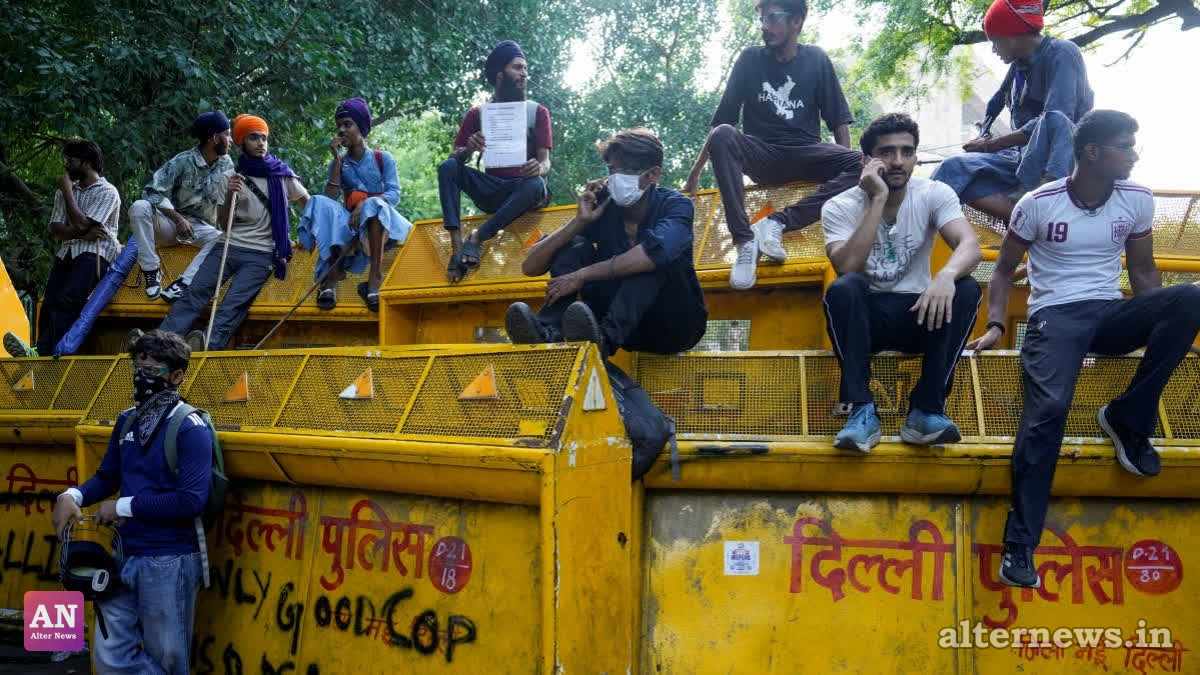
NEW DELHI — As thousands of students and youth activists continue their demonstration at Jantar Mantar demanding the resignation of Union Education Minister Dharmendra Pradhan over alleged irregularities in the NEET examination, political analysts and observers have drawn striking parallels—and sharp contrasts—between the ongoing stir and the historic 2011 Anna Hazare anti-corruption movement.
According to veteran commentators and former leaders of the Jan Lokpal agitation, today’s youth-led movement displays far greater personal risk and physical courage than the 2011 protests. However, they warn that the complete absence of structured, mature leadership remains its most vulnerable flank.
Unprecedented Youth Surge Outside Traditional Politics
Sociologists Yogendra Yadav and Anand Kumar, who both played pivotal roles in the 2011 India Against Corruption movement, observed that the demographic fueling the current agitation represents a profound shift in Indian political engagement.
Yadav noted that while both movements stemmed from spontaneous public anger against the political establishment, the NEET protest is driven by young citizens who had previously remained distant from conventional politics.
"The support for the current movement is unique because it involves a massive number of young people who were never interested in politics before," Yadav said. He added that these young protesters are taking far greater personal and legal risks, effectively breaking years of political silence across academic spaces in the country.
Key Similarities and Divergences
Anand Kumar highlighted three foundational similarities between the two historic mobilizations:
Neither movement was launched or officially controlled by an established political party.
Both erupted out of deep-seated frustration with systemic failures.
Youth and students formed the frontline energy in both instances.
However, the core drivers differ fundamentally. Where the 2011 Anna movement rallied around moral indignation against high-level financial corruption, today’s agitation targets concrete existential threats facing India’s youth: exam leaks, compromised meritocracy, and rampant unemployment.
Furthermore, analysts pointed out a sharp divergence in how the state has responded. During the 2011 movement, the government actively engaged in round-after-round of dialogue with civil society leaders. In contrast, observers argue that the current administration's reliance on police crackdowns and security measures risks prolonging the anger without offering a clear path to resolution.
A Political 'Lifeline' for the Opposition
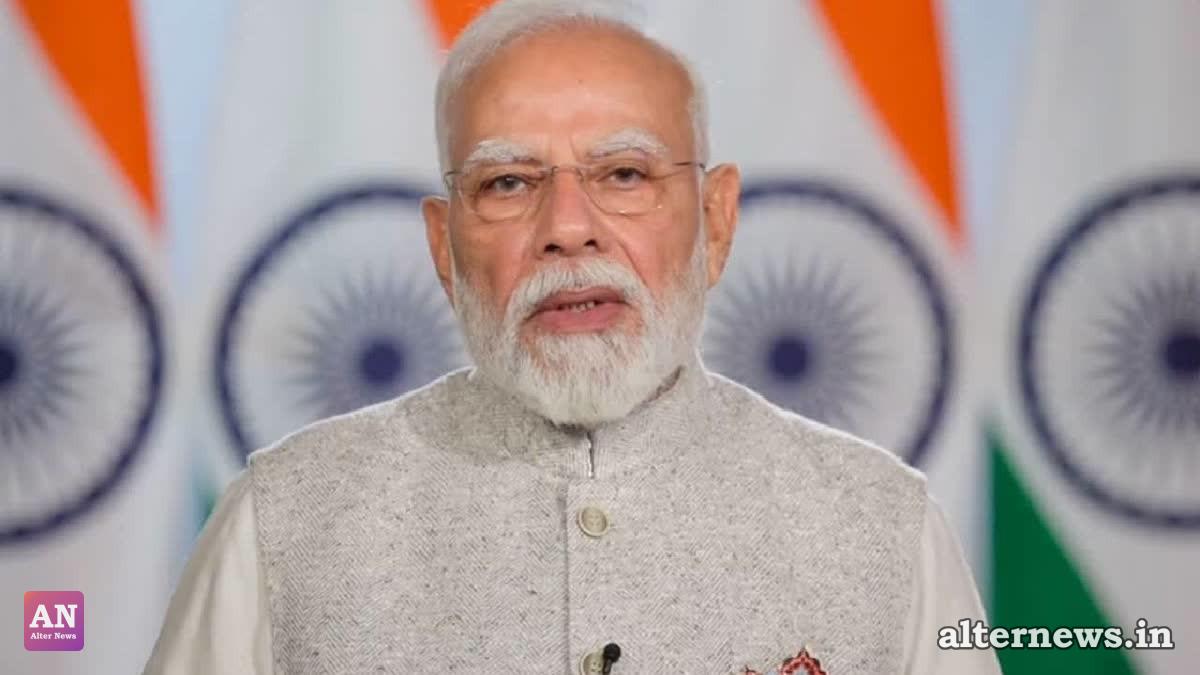
Political analyst Sanjay Kumar observed that the NEET controversy has emerged as one of the most formidable political challenges to Prime Minister Narendra Modi during his 12-year tenure. Unlike regional agitations, such as the farmers' protests which were largely concentrated around Delhi’s borders, exam irregularities directly touch families in every state and district across India.
Through social media and family discussions, the issue has penetrated deep into ordinary households, heightening political awareness among a crucial demographic.
While Sanjay Kumar expressed skepticism that a new political party would emerge from this agitation—unlike the India Against Corruption movement, which gave birth to the Aam Aadmi Party—he emphasized that the issue has provided the parliamentary opposition with a critical lifeline and a potent rallying point to corner the government.
However, as long as the protest lacks an organized leadership committee capable of negotiating concrete institutional reforms, observers caution that the energy surrounding the NEET movement risks burning out or being dispersed by police action.