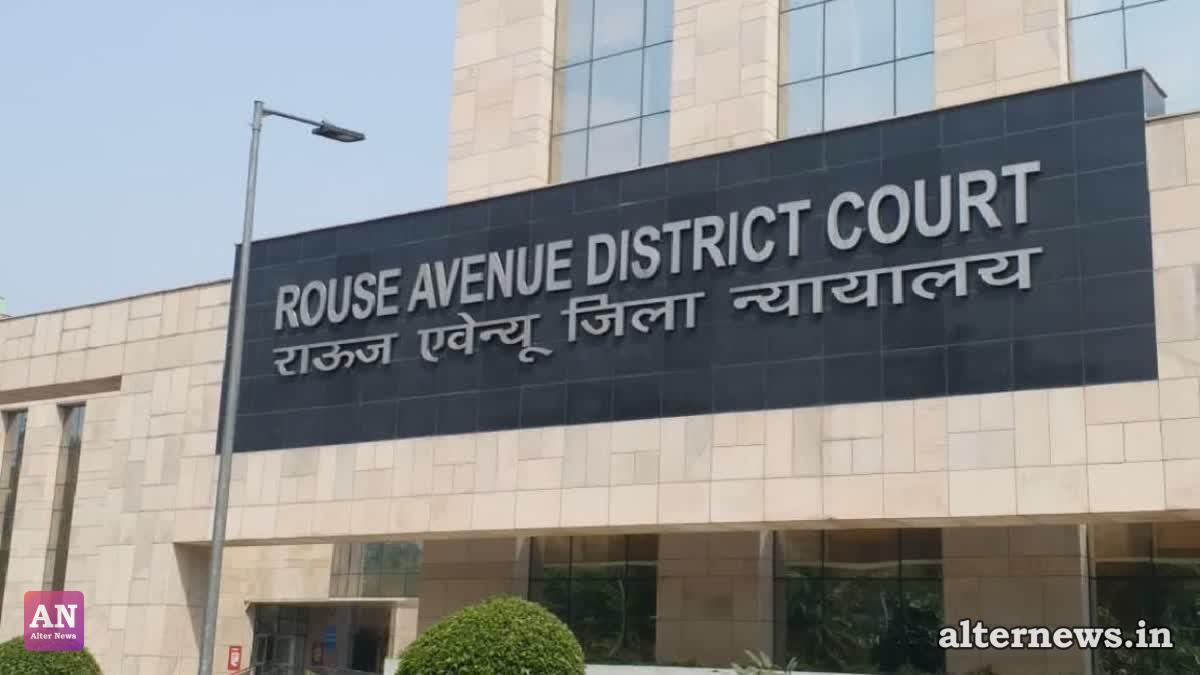
NEW DELHI — In a major procedural development in the high-profile NEET-UG paper leak investigation, a Delhi fast-track court has granted defense attorneys permission to inspect documents gathered by the Central Bureau of Investigation (CBI) that were omitted from the official charge sheet.
The court directed defense counsel representing the accused to visit the CBI headquarters on scheduled dates—August 24, 25, 29, and 31—between 10:00 AM and 5:00 PM to inspect the un-relied documents in coordination with the investigating officer.
During the proceedings, defense lawyers cited the Supreme Court’s milestone ruling in the Manish Sisodia case. In that judgment, the apex court established that defense teams have a right to inspect materials collected during an investigation, even if the prosecution chooses not to rely on them to frame charges, in order to ensure a fair trial.
The legal team representing the federal agency opposed the defense application, arguing that the court was currently at the stage of taking cognizance of the charge sheet. The CBI’s counsel contended that judicial cognizance should strictly evaluate only the documents and evidence formally submitted by the prosecution in its charge sheet.
This decision follows a series of preliminary orders issued by the court regarding the case. On August 12, the fast-track court officially took cognizance of the charge sheet filed by the CBI against 13 individuals who remain in judicial custody. The named accused include Yash Yadav, Mangilal Biwal, Dinesh Biwal, Vikas Biwal, Shubham Khairnar, Dhananjay Lokhande, Prahlad Kulkarni, Tejas Harshad Kumar, Manoj Shirure, Shivraj Raghunath Motegaonkar, Manisha Waghmare, Manisha Mandhare, and Manisha Sanjay Havaldar.
In subsequent hearings, the court dismissed an application filed by accused Dhananjay Lokhande seeking a copy of his arrest memo and turned down the CBI’s request to conduct lie-detector tests on Mangilal Biwal, Vikas Biwal, and Dinesh Biwal. On August 14, the court allowed the investigative agency to pursue further probe into the wider network behind the leak.
The CBI informed the court that its investigation commenced immediately following the registration of an FIR on May 12. Deploying a specialized team of 72 officers and eight cyber-forensic experts, the agency executed nationwide raids across 92 locations spanning Maharashtra, Rajasthan, Haryana, Delhi, and other states, leading to its first arrest on May 13.
The prosecution has invoked several stringent legal provisions, charging the accused under relevant sections of the Bharatiya Nyaya Sanhita (BNS), the Prevention of Corruption Act, and the Public Examination (Prevention of Unfair Means) Act.