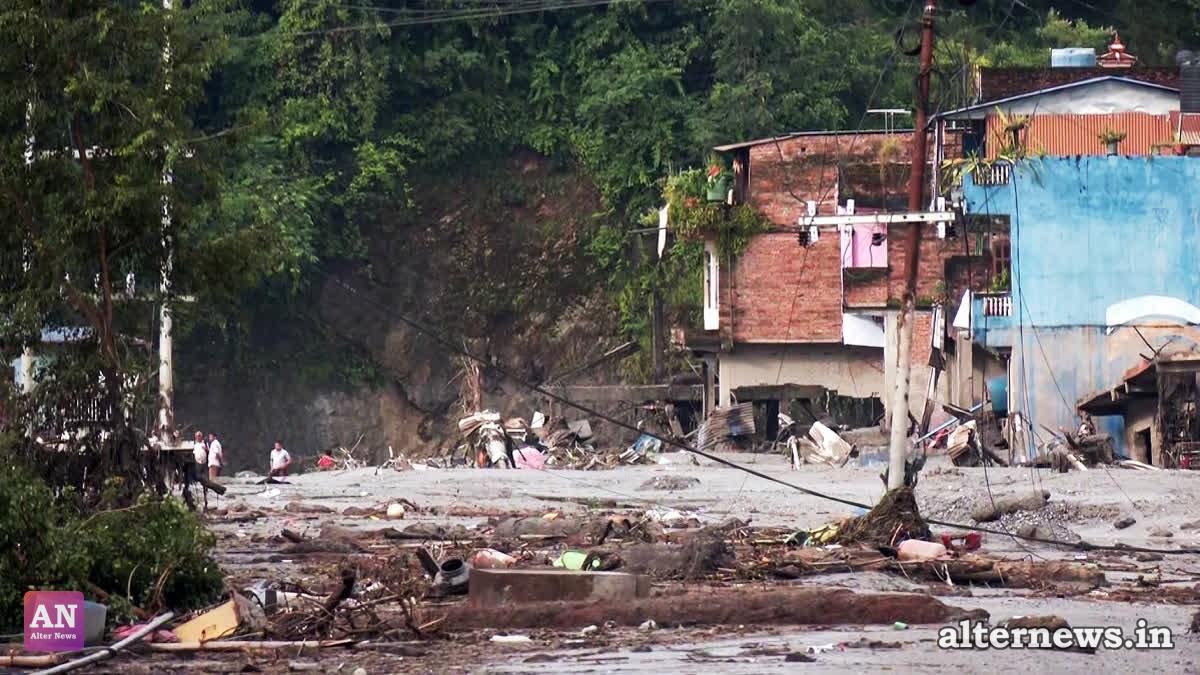
KATHMANDU — Search and rescue operations reached a critical turning point on Friday as emergency crews in Nepal continued racing against time to locate survivors following catastrophic flash floods across the Himalayan border region. The overall death toll across Nepal and neighboring Tibet has climbed to 392, with authorities warning that the figure could rise further as access to remote communities remains severely severed.
More than 1,400 people remain unaccounted for after a massive wall of mud and water surged through the Bhote Koshi river system in Rasuwa district on Wednesday, August 26. The sudden deluge swept away entire residential sectors, key bridges, mountain highways, and vehicles before cascading downstream through central Nepal.
According to officials from the Nepal Police and disaster management agencies, 389 bodies have been retrieved within Nepal’s borders, while authorities in China’s Shigatse region in Tibet confirmed three casualties in adjacent areas affected by the outburst.
Hundreds of Indian Pilgrims Among Missing
A significant portion of the missing includes foreign nationals and religious tourists. Diplomatic sources and field reports indicate that approximately 288 Indian citizens are among those unaccounted for. Many were traveling along the high-altitude pilgrimage routes toward Mount Kailash when the torrent breached the riverbanks and destroyed critical transit infrastructure.
The Indian Ministry of External Affairs, alongside the Indian Embassy in Kathmandu, has activated round-the-clock emergency helplines and control rooms to coordinate search efforts with Nepalese authorities and track stranded nationals.
Blocked Corridors and Debris Lake Threat
Relief efforts along the Bhote Koshi-Trishuli transportation corridor remain hampered by widespread landslides and unstable terrain. Ground units, supported by military helicopters and specialized rescue squads, are clearing rubble to reach cut-off settlements near the Chinese border.
Concerns are also mounting over a massive temporary lake formed upstream by accumulated landslide debris and ice blockage. Hydrological experts and security personnel are closely monitoring the barrier amid growing fears that a breach could trigger secondary flash floods downstream.
International Assistance Deployed
As the scale of the disaster became clearer, international aid began pouring in. The United States announced an initial disaster assistance package of $500,000 to bolster immediate relief and emergency operations. US Under Secretary of State for Political Affairs Allison M. Hooker confirmed direct discussions with Nepal's Foreign Minister Shisir Khanal to coordinate logistics and assist in locating missing American citizens.
Local authorities continue to urge residents along riverbanks in central Nepal to remain vigilant as emergency responders navigate terrain that remains hazardous and prone to further soil collapse.