NEW DELHI — A Parliamentary Standing Committee has recommended the rollout of a comprehensive "integrated security and surveillance framework" across all major tourist destinations in Jammu and Kashmir, complete with centralised monitoring systems and regular vulnerability checks.
The recommendations were presented in the panel's detailed report on administrative governance, socio-economic development, internal security in Jammu and Kashmir, and border preparedness in the Union Territory of Ladakh.
The panel's proposal follows a tragic terror attack on April 22 last year in the scenic Baisaran valley near Pahalgam, where 26 people—mostly tourists—lost their lives after armed terrorists launched an attack from elevated positions overlooking the valley.
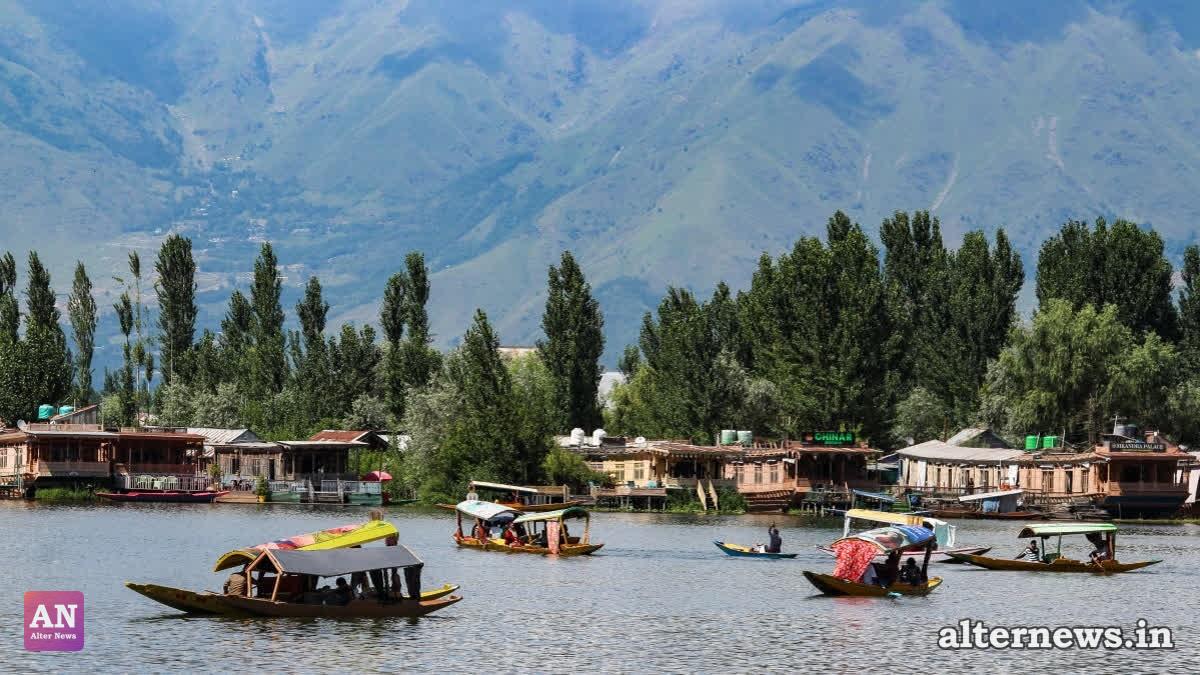
Highlighting the steadily rising tourist footfalls across the region, the committee emphasized that robust security management directly shapes visitor perception, safeguards overall experience, and supports long-term growth in the tourism sector.
Key Recommendations for Jammu and Kashmir
To prevent future incidents and ensure swift coordination, the parliamentary panel outlined a series of concrete measures for high-traffic destinations:
Centralised Surveillance & Audits: Deployment of an integrated surveillance framework incorporating high-definition CCTV networks, centralised control centers, and routine security audits.
Inter-Agency SOPs: Formulation of clear inter-agency Standard Operating Procedures (SOPs) that must be thoroughly reviewed prior to every peak tourist season to ensure unified, rapid-response capabilities.
Pre-Season & Yatra Audits: Conducting periodic joint security assessments ahead of peak travel months and the annual Amarnath Yatra pilgrimage to preemptively address emerging security threats.
Emergency Medical Infrastructure: Establishing dedicated emergency response units, fully equipped ambulances, trauma-care facilities, and well-marked evacuation routes at key tourist hubs.
Multilingual Safety Communication: Displaying emergency contact numbers and safety guidelines prominently in multiple languages at transit points, hotels, and tourist centers.
The recommendations follow a multi-day study tour undertaken by the committee from May 11 to May 15, during which members conducted on-the-ground assessments in Jammu, Srinagar, Gulmarg, Sonmarg, and Kargil. The panel reviewed security measures in Gulmarg, discussed law and order preparedness with local police in Sonmarg, and held interactions with Indian Army representatives in Kargil to inspect border operational readiness.
Defense and Technology Upgrades in Ladakh
Turning its attention to the strategic Union Territory of Ladakh, the parliamentary panel commended the deployment of advanced defense capabilities, including modern unmanned aerial systems (UAS), counter-drone technologies, specialist mobility vehicles, and all-terrain equipment.
To maintain operational superiority in high-altitude environments, the panel urged the Ministry of Defence to ensure sustained investment and timely procurement in several critical domains:
Integrated ISR Capabilities: Enhancing Intelligence, Surveillance, and Reconnaissance networks.
Counter-Drone & Secure Communications: Expanding defense against unmanned threats and securing communication lines.
Indigenous High-Altitude Tech: Prioritizing locally developed technologies tailored for severe climate and terrain conditions.
The committee stressed that periodic technological upgrades and timely deployments remain essential to safeguarding all strategically sensitive sectors across the region.