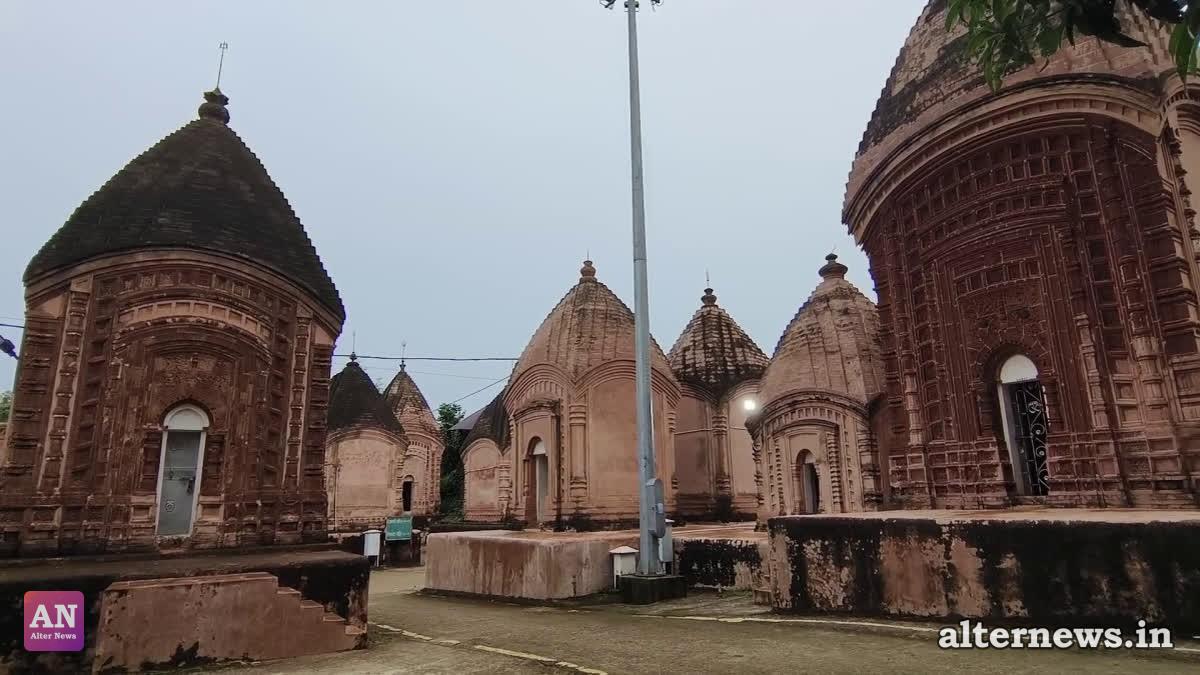
PHULIA, WEST BENGAL — Phulia, a quiet town nestled along the eastern banks of the Bhagirathi River in Nadia district, has long been synonymous with Bengal’s finest handloom cotton saris—from delicate Tangail to elaborate Jamdani weaves. This festive season, however, the legendary textile center is turning heads with a novel creation tied not around the waist, but around the wrist.
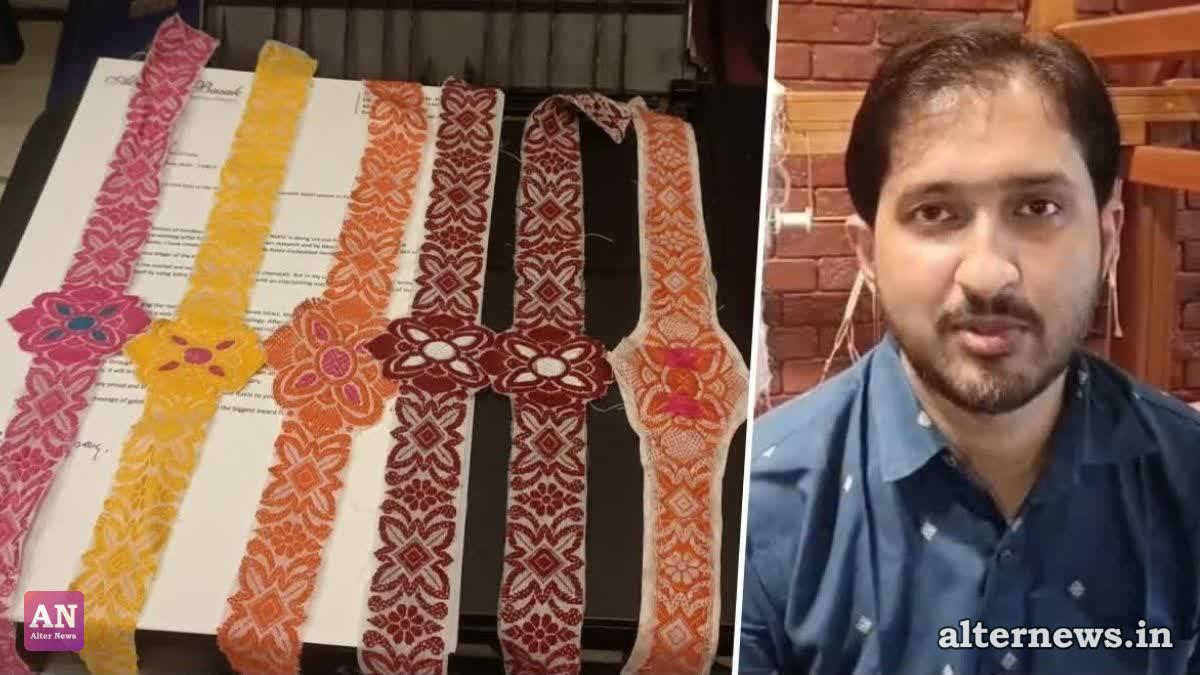
Abhinav Basak, a President’s Award-winning handloom weaver, has introduced pure cotton Rakhis woven directly on traditional handlooms, blending age-old craftsmanship with modern digital design.
Carrying Forward a Legacy of Excellence
Craftsmanship runs deep in the Basak lineage. Abhinav is the son of Padma Shri recipient Biren Basak, a revered master weaver whose contributions to Indian textiles have earned him the Sant Kabir Handloom Award and spots in the Guinness Book of World Records and Limca Book of Records.
Building on that legacy, Abhinav—who previously earned national recognition for weaving a ultra-fine 500-count cotton sari—decided to innovate specifically for Raksha Bandhan.
"From the very beginning, I wanted to create something truly distinct for Rakhi Purnima," Abhinav said. "That idea led me to weave Rakhis straight out of pure cotton fabric. With digital design software, drafting the patterns has become much more precise. For our initial run, we developed two unique patterns in two sizes to suit both children and adults."
Handwoven for Dignitaries and Beyond
So far, 65 exclusive pieces of these handloom cotton Rakhis have been produced in Phulia and dispatched across the country, including special shipments sent to the offices of the President of India, the Prime Minister, and key state dignitaries.
Beyond their artistic charm, the cotton Rakhis offer practical benefits. Unlike synthetic alternatives adorned with plastic or metal that can cause skin irritation, these 100% natural cotton threads are soft and entirely skin-friendly.
Expanding to Global Markets
While this year’s initial batch remains limited, Basak has ambitious plans for the future. He hopes to commercialize the handloom Rakhis so brothers and sisters across India and abroad can embrace sustainable, traditional craftsmanship during festive celebrations.
"We will monitor the public response closely," Basak noted. "If the demand grows, we plan to scale production and make these handwoven cotton Rakhis available to the general public in upcoming seasons, showcasing Phulia's weaving prowess to the world."