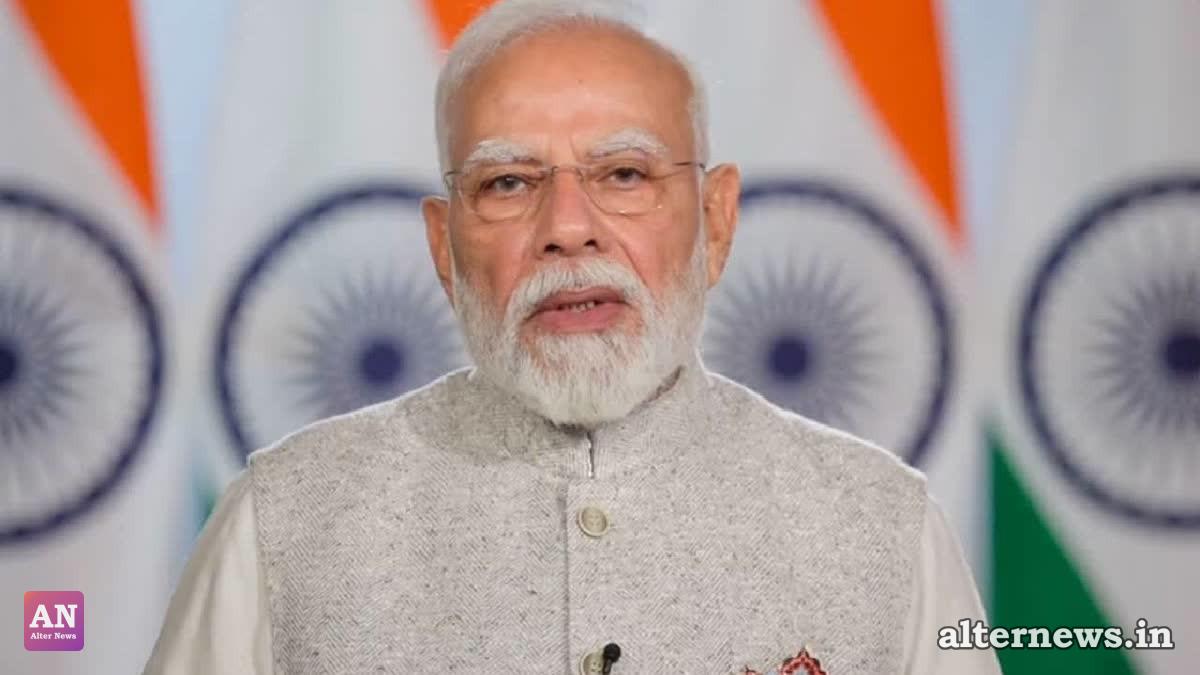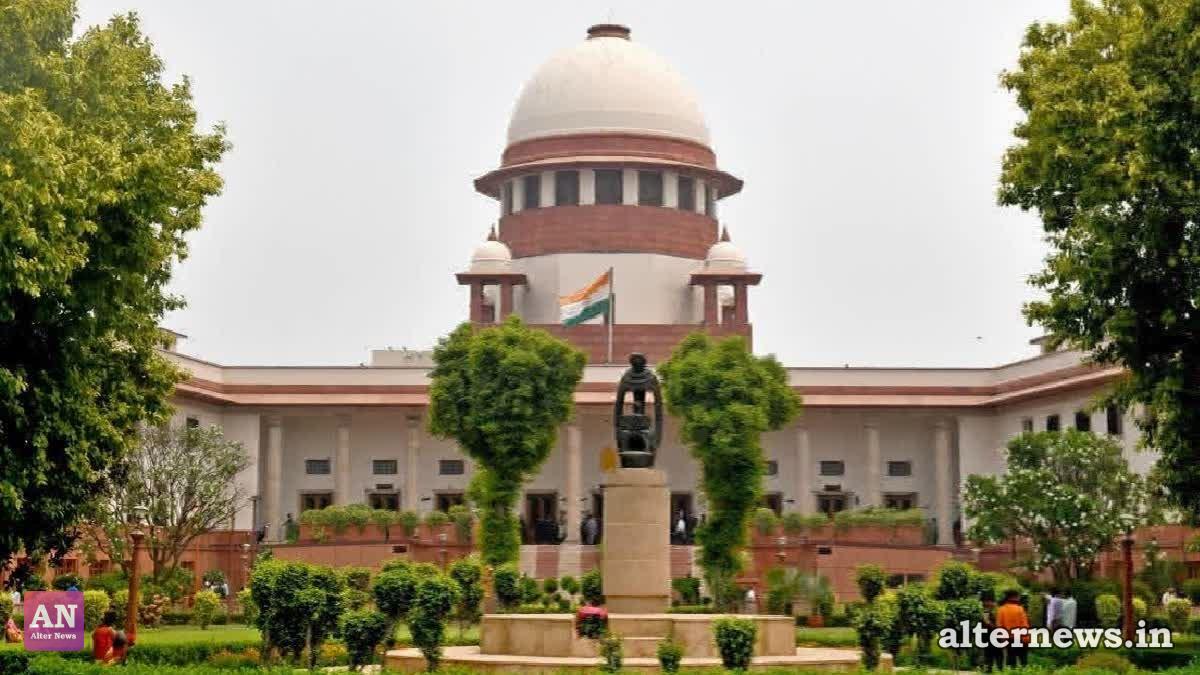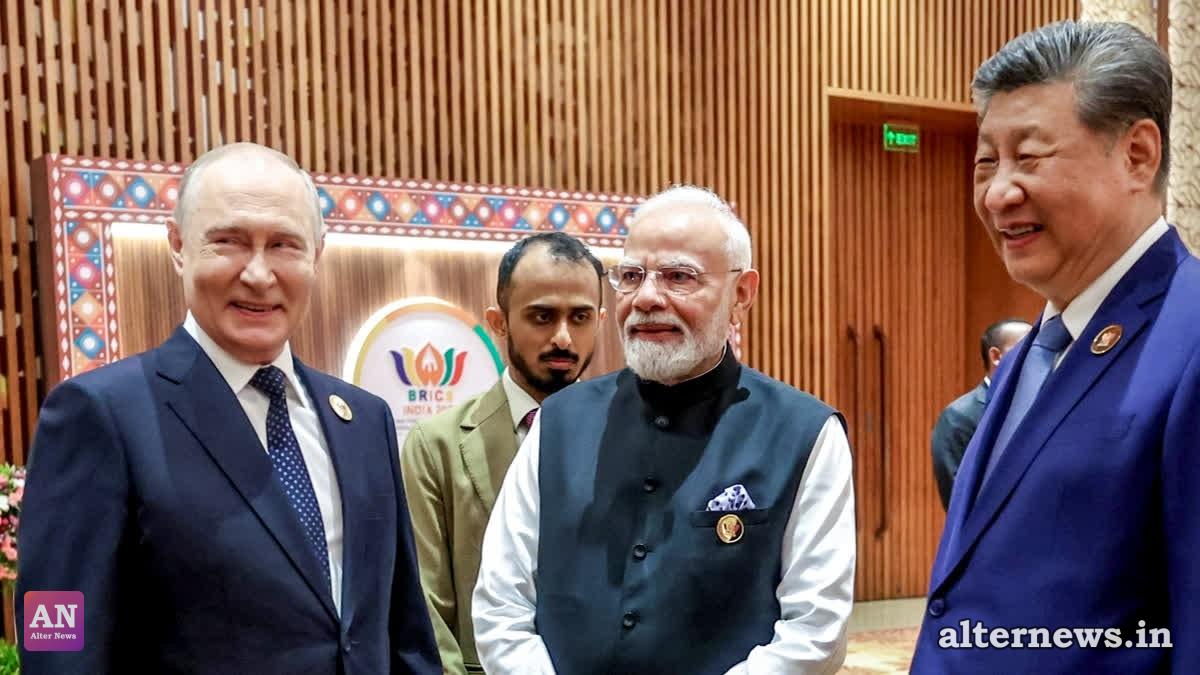
NEW DELHI: Prime Minister Narendra Modi announced the formal adoption of the historic BRICS Delhi Declaration in New Delhi on Saturday, marking a major milestone for the influential emerging economies bloc.
Earlier in the day, the 18th BRICS Summit commenced at the iconic Bharat Mandapam convention center in the national capital. The high-profile, two-day summit brings together leaders and delegates from 21 major emerging and developing economies. Participating nations include founding and expanded members such as Brazil, China, Egypt, Ethiopia, Indonesia, India, Iran, Russia, Saudi Arabia, South Africa, and the United Arab Emirates (UAE).
In his opening address at the summit, Prime Minister Modi highlighted that BRICS has successfully carved out a distinct, independent identity on the global stage. Addressing international observers, he firmly stated that the grouping is "not against anyone"—a reassuring message widely interpreted by diplomatic analysts as a strategic outreach to Western powers and the United States, emphasizing constructive global partnership over confrontation.
The bloc has experienced substantial expansion over recent years. Originally comprising Brazil, Russia, India, China, and South Africa (BRICS), the group expanded in 2024 to incorporate Egypt, Ethiopia, Iran, Saudi Arabia, and the UAE, followed by Indonesia joining the alliance in 2025. Additionally, Belarus, Bolivia, Kazakhstan, Cuba, Malaysia, Nigeria, Thailand, Uganda, Uzbekistan, and Vietnam were integrated as official BRICS partner countries last year, further expanding the bloc's geopolitical and economic footprint across the Global South.
Discussions at the summit are expected to focus heavily on reforming multilateral financial institutions, boosting intra-BRICS trade in local currencies, sustainable development, technology sharing, and cooperative security frameworks.
This is a developing story. More updates and comprehensive details will follow as the summit progresses.