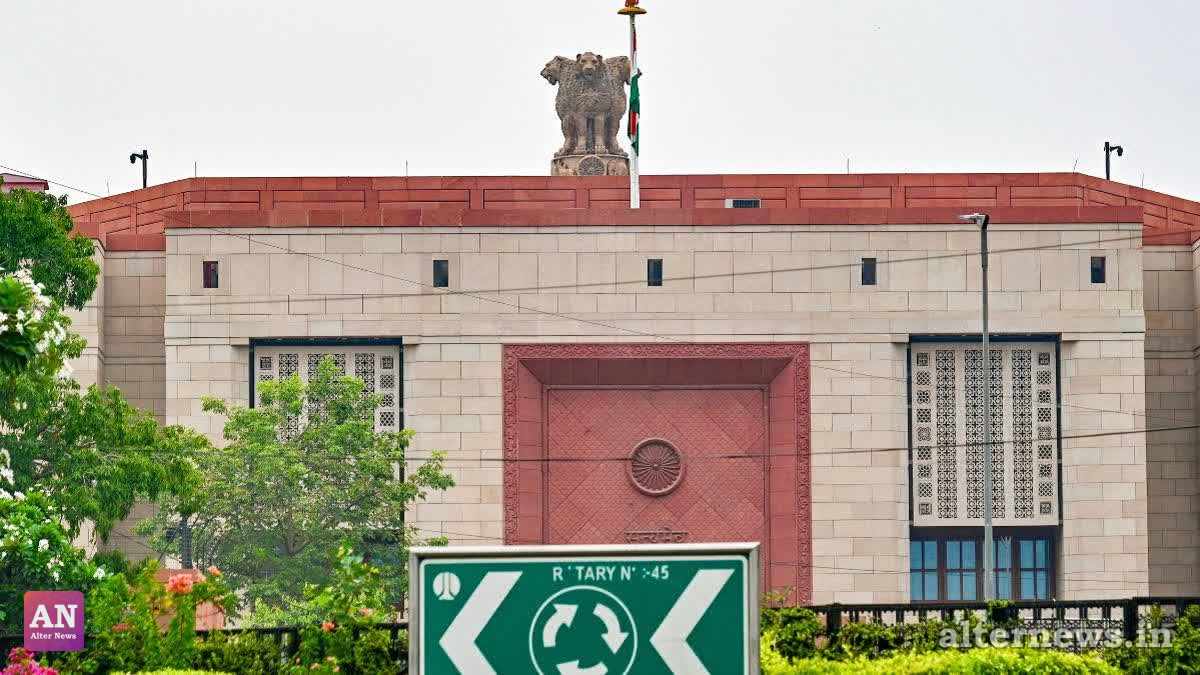
NEW DELHI — In a major legislative push to safeguard the integrity of competitive exams and restore candidate trust, the Union Government is set to table the Public Examinations (Prevention of Unfair Means) Amendment Bill, 2026 in Parliament today.
Union Minister of State for Personnel, Public Grievances and Pensions, Dr. Jitendra Singh, will introduce the proposed legislation, which seeks to amend the Public Examinations (Prevention of Unfair Means) Act, 2024. A formal government notification outlining the Bill's introduction was issued ahead of Monday’s parliamentary proceedings.
The legislative update arrives on the heels of approval from the Union Cabinet last Friday and follows public commitments made by Prime Minister Narendra Modi to clamp down on examination malpractices.
Key Reforms and Penalties Under the Proposed Amendment
The draft law significantly toughens punitive measures against syndicates, organized rackets, and individuals involved in paper leaks or cheating networks:
Stricter Custodial Sentences: Offenders face up to 10 years of rigorous imprisonment for major breaches and paper leak operations.
Heavy Financial Penalties: Fines of up to ₹10 crore can be levied against entities or individuals found guilty of compromising exam security.
Asset Confiscation: Authorities will have explicit powers to seize property and assets accumulated through examination fraud.
Fast-Track Adjudication: Dedicated fast-track courts will be mandated to hear cases on a day-to-day basis and deliver final verdicts within three months of charges being filed.
Protecting Student Futures
Addressing the issue in a video message posted on X, Prime Minister Modi emphasized that paper leaks inflict severe psychological and financial distress on young jobseekers, students, and their families. He noted that recent investigative crackdowns over the past two-and-a-half months have already resulted in multiple arrests and detentions across regional rings.
The Centre highlighted that despite operational challenges, state and central agencies mobilized resources to ensure smooth, delayed-free testing for over 22 lakh candidates in recent cycles.
By pairing strict punitive deterrents with accelerated 90-day judicial outcomes, the government aims to eliminate structural vulnerabilities in national testing frameworks and deter organized crime networks operating in the recruitment domain.