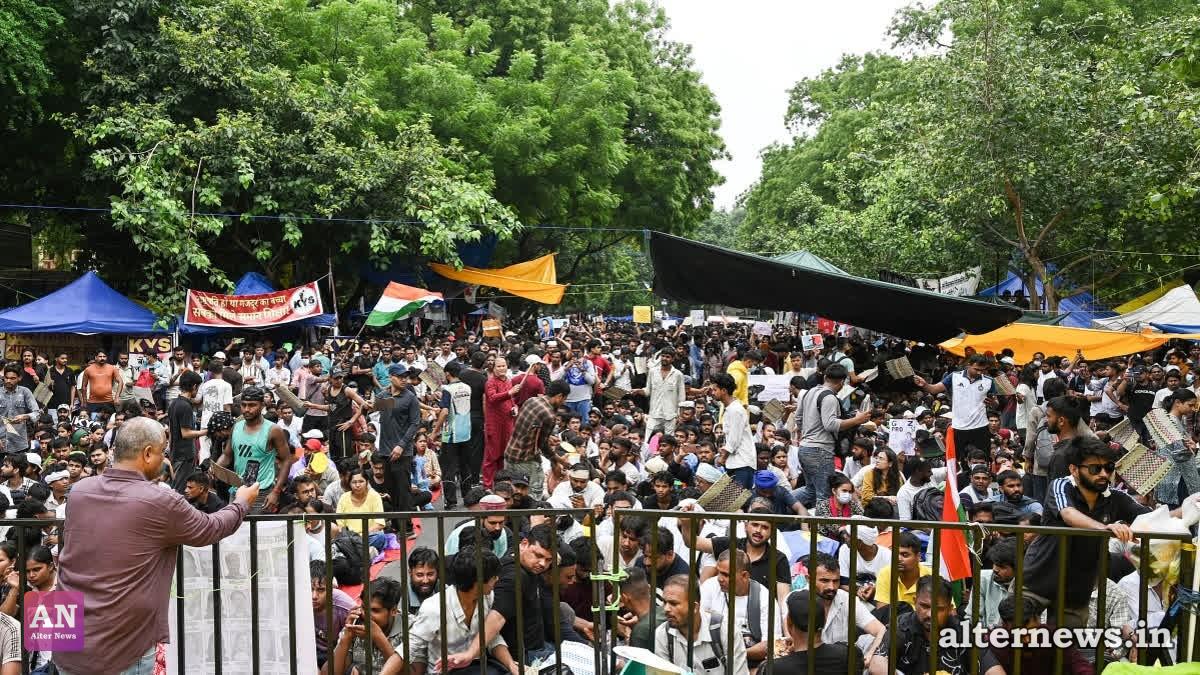
NEW DELHI — Senior Bharatiya Janata Party (BJP) leader and former South Delhi MP Ramesh Bidhuri sparked fresh political controversy on Sunday after alleging that external individuals, rather than actual students, dominated the recent Jantar Mantar protest over the NEET examination paper leak.
Addressing a "Gen Z Summit" organized at Tughlaqabad in South Delhi, Bidhuri claimed that "puncture banane wale aur tala banane wale" (tyre puncture repairers and locksmiths) were present in larger numbers than genuine student demonstrators during the rally held at the historic protest site in the national capital.
Remarks on Abusive Language and PM Modi's Response
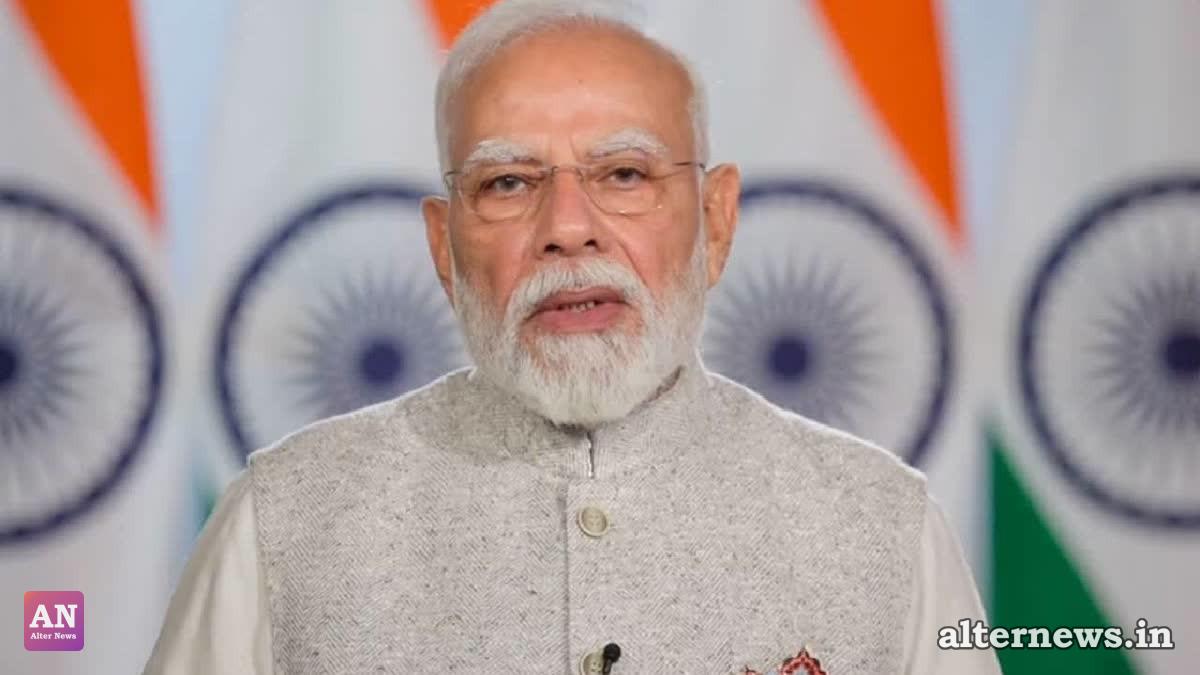
Bidhuri's aggressive statements come shortly after Prime Minister Narendra Modi publicly addressed the objectionable slogans raised during the demonstration. In a late-night video message released on August 1 across social media platforms, PM Modi expressed profound "cultural shock" and personal pain over the derogatory remarks directed toward him and his late mother by young protesters. However, the Prime Minister advocated for leniency, urging the public to forgive the "misguided children" rather than seek punitive action.
Responding to the incident at the summit, Bidhuri questioned the background of those responsible for the verbal attacks.
"Can the sons and daughters of India talk like this about Modi ji and his family? They must be the children of puncture repairers who were using such words against Modi ji," Bidhuri stated while addressing the youth gathering.
Opposition Misleading Youth, Says Bidhuri
Lashing out at political opponents, the two-time parliamentarian alleged that political groups manipulated local youth into mobilizing at Jantar Mantar. The protests were organized to demand the resignation of Union Education Minister Dharmendra Pradhan following widespread allegations of irregularities and paper leaks in the national medical entrance test (NEET).
"Puncture repairers and locksmiths were there in far larger numbers. Actual students were very few," Bidhuri asserted, maintaining that political motives drove the congregation rather than genuine student grievances.