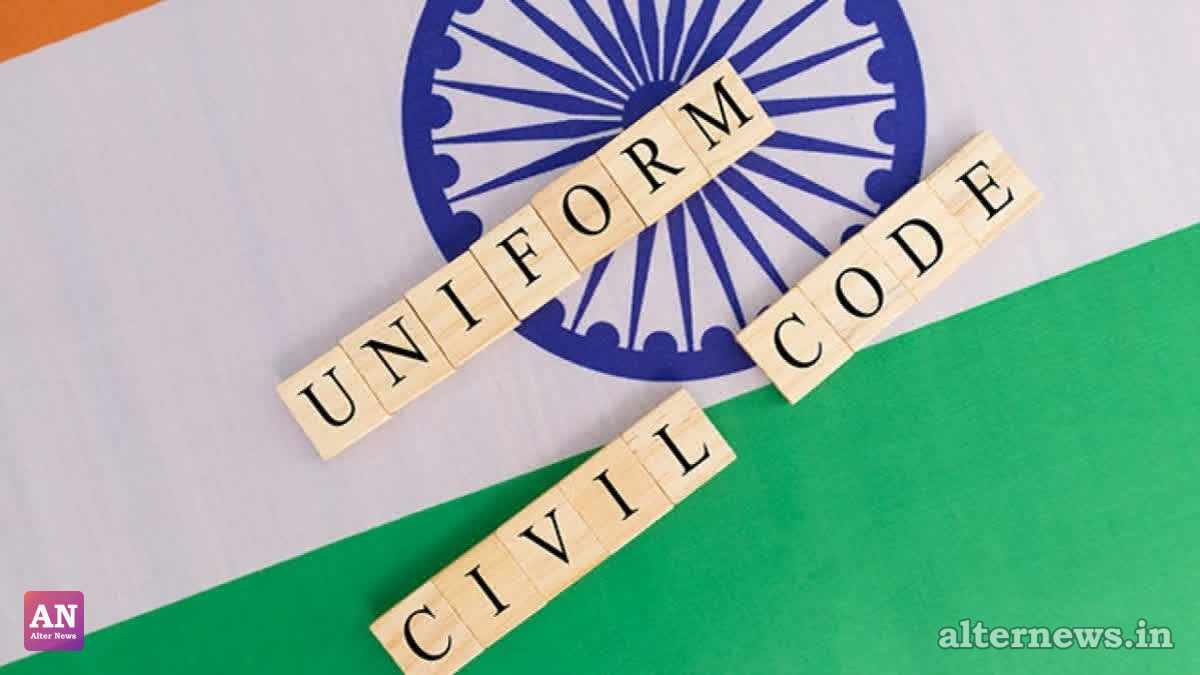
SAMALKHA — Expressing serious concern over shifting demographic trends across the country, the Rashtra Sevika Samiti has formally called upon the Union and state governments to formulate and implement a uniform population policy alongside a nationwide Uniform Civil Code (UCC).
The demand was articulated in a resolution passed on the final day of the organization's three-day national executive and representative council meeting (Akhil Bharatiya Karyakarini and Pratinidhi Mandal) held in Samalkha, Haryana. The high-level conference saw participation from 488 representative delegates across 40 provinces, with Pramukh Sanchalika Shanta Kumari addressing the valedictory session.
Demographic Imbalance and Economic Factors
Highlighting historical census data, the women's organization—founded in 1936 as a parallel body to the Rashtriya Swayamsevak Sangh (RSS)—noted that the share of the Hindu population in India declined from 84.68% in 1951 to 78% by 2015. Over the same period, the Muslim population grew from under 10% to approximately 14%.
According to the Samiti, these shifting ratios necessitate an immediate reassessment of the country's population strategy. The resolution emphasized that a comprehensive Uniform Civil Code would effectively curb challenges arising from demographic disparities, creating a stable foundation for the nation’s future development.
The organization also pointed to changing social patterns among educated Hindu youth as a key contributor to demographic decline. Factors such as career-driven delays in marriage, a growing reluctance toward child-rearing, and a preference for single-child or childless households were identified as pressing social issues that require greater public awareness.
Security and Infiltration Concerns
Beyond natural demographic changes, the Samiti highlighted external and illegal pressures contributing to regional population shifts. The resolution flagged illegal infiltration—specifically naming illegal immigrants from Bangladesh and the Rohingya community—alongside forced religious conversions as significant threats to local culture, traditions, and security.
The organization warned that unmanaged demographic shifts place severe pressure on local natural resources, employment markets, and land distribution, ultimately posing a risk to national internal security. It urged law enforcement and government authorities to take strict measures against unlawful conversions and illegal immigration.
Organizational Expansion
The national meeting also served as a review platform for the Samiti's organizational work over the past six months. Leaders reported significant outreach growth, noting that the organization currently operates 4,886 active branches (Shakhas), 1,173 weekly gathering units (Milans), and 1,332 social service projects across 852 districts nationwide.
As the Rashtra Sevika Samiti approaches its 90th anniversary, delegates deliberated on upcoming commemorative programs, social initiatives tailored for women and youth, and strategies to address contemporary socio-economic challenges.