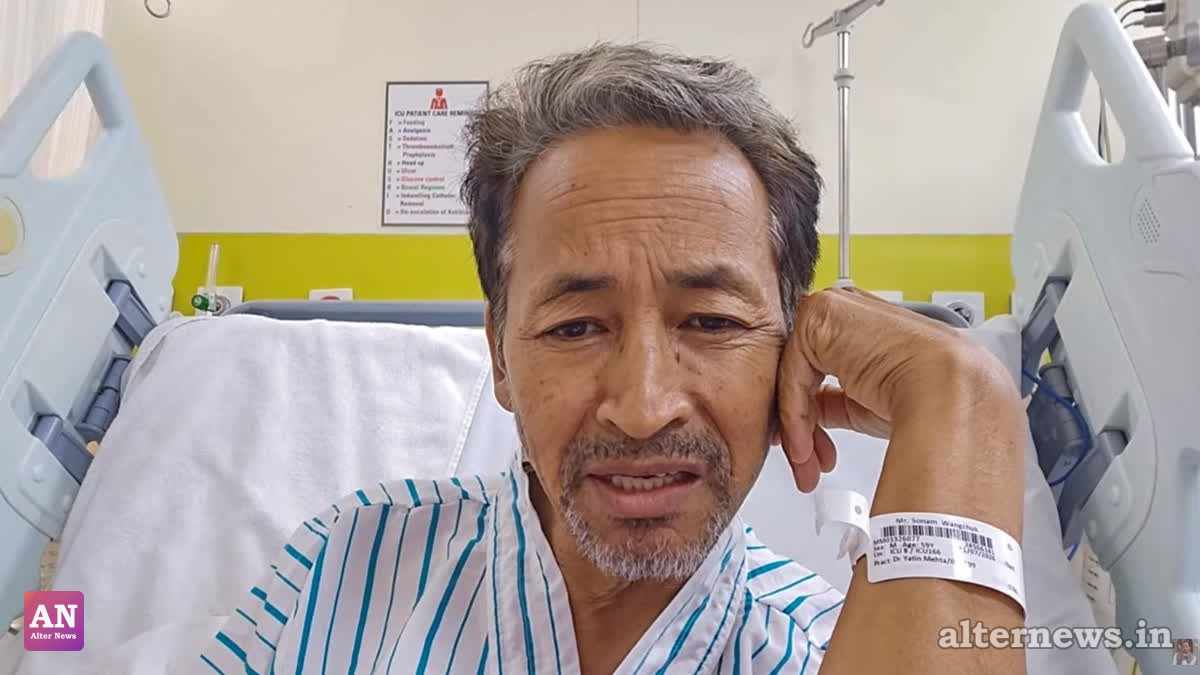
NEW DELHI — Climate activist Sonam Wangchuk has rejected claims that he struck a deal with the Union government to call off his 26-day hunger strike, explaining that his decision was driven entirely by a desire to prevent potential violence and protect student protesters from an imminent crackdown.
In a 22-minute video message published late Friday night, Wangchuk addressed mounting speculation and criticism surrounding the conclusion of his fast shortly after midnight on Thursday.
Fears of a Police Crackdown
Wangchuk revealed that his primary motivation for ending the strike was growing anxiety over the safety of young demonstrators in the capital, evoking memories of the September 2025 firing incident on youth in Ladakh.
"Last night around midnight, I was told the ministers had agreed to give the assurance in writing," Wangchuk said in the video. "I was in a hurry because the situation in Delhi was such; there was apprehension that a major crackdown could happen. I was reminded of September 24, 2025, when police and CRPF personnel fired at the youth of Ladakh. I was afraid something similar could happen here. I felt that if I ended my fast and appealed for peace, perhaps the situation could be diffused."
Dismissing political accusations regarding the timing and circumstances of his decision, Wangchuk questioned the logic behind allegations of a compromise. "If I had to make a deal, would I have remained hungry for 26 days?" he asked. "Could I not have struck a deal sitting in an air-conditioned room instead of fasting in Delhi's heat?"
Allegations of Strict Detention Conditions
The activist also detailed the harsh conditions he faced after being relocated from the primary protest site to Safdarjung Hospital on July 18. Wangchuk alleged that hospital authorities treated him like a prisoner, restricting his movement and isolating him from supporters and media.
"It was like being in North Korea," Wangchuk claimed, adding that even after the Delhi High Court granted permission for his transfer to Medanta Hospital, officials delayed his departure for several hours.
Written Assurances and Demands
According to Wangchuk, Union Ministers J.P. Nadda and Jitendra Singh visited him at Medanta Hospital to discuss terms for wrapping up the agitation. While the ministers initially offered verbal promises regarding parliamentary debates on exam leaks and compensation for families affected by NEET-related suicides, Wangchuk refused to relent without a binding commitment protecting student protesters from criminal prosecution.
"They initially agreed to compensation and discussion in Parliament but were not ready to assure that no cases would be filed against protesting students," he stated. "I insisted on a written assurance and did not relent until they agreed."
On the demand for Union Education Minister Dharmendra Pradhan's resignation, Wangchuk clarified that protecting students from FIRs and legal harassment took precedence during final talks, though he remained confident the broader movement would continue pressing for ministerial accountability.
Ending the Fast
Wangchuk expressed deep regret that long-time allies, student leaders, and supporting Members of Parliament were prevented from joining him when he broke his fast late Thursday night due to tight security restrictions.
Wangchuk had been on an indefinite hunger strike since June 28, aligning with the Cockroach Janta Party-led demonstrations demanding widespread structural reforms in competitive examinations, accountability for paper leaks, and financial restitution for affected families.