WASHINGTON — U.S. President Donald Trump has signaled that Washington is adopting a "low-key" stance toward Iran, indicating a preference for letting intense economic pressure and naval blockades take effect over immediate military action.
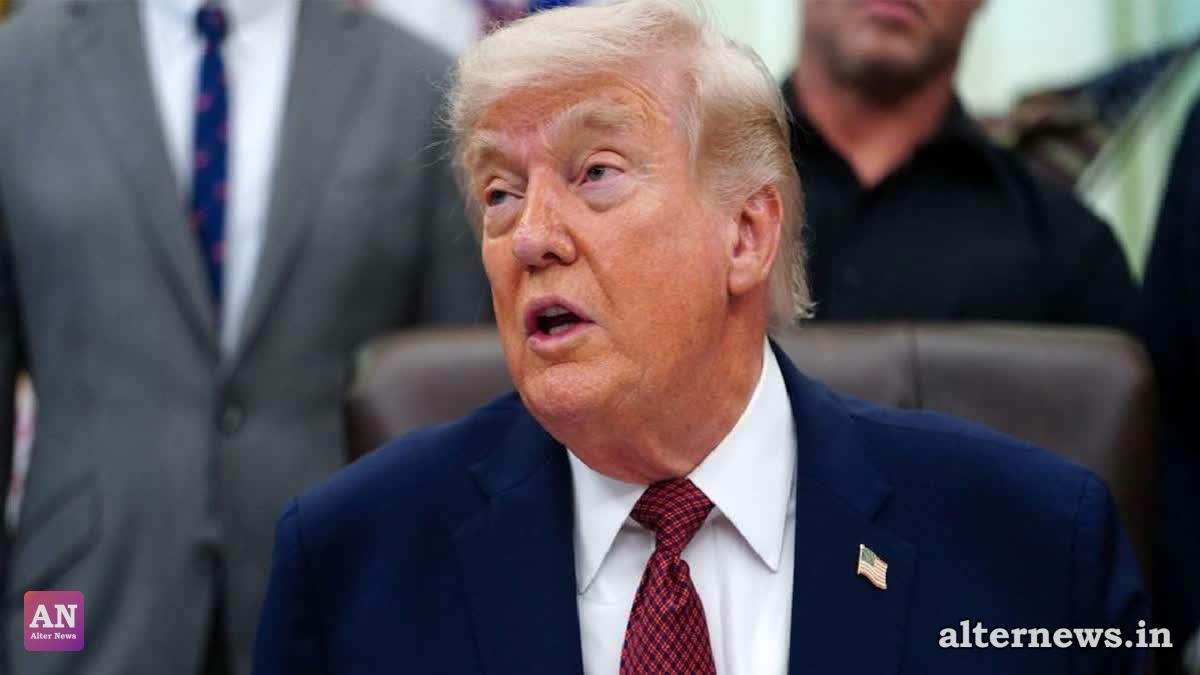
Speaking in a brief telephone interview, President Trump stated that the U.S. administration is taking a step back to monitor the financial strain on Tehran as negotiations surrounding the critical Strait of Hormuz remain stalled.
“We are low-keying it,” Trump said. “We are only semi-negotiating with them. We are just watching Iran with its huge inflation and the fact they have no money.”
Pivot Toward Economic Sanctions
The President's comments reflect a tactical shift following weeks of escalating rhetoric and threats of renewed military bombardment. Trump described the regime in Tehran as being in "very bad shape" financially, asserting that the combination of international sanctions and the U.S. naval blockade has severely restricted Iran's cash reserves and ability to finance military forces.
Rather than launching a fresh military offensive, Washington appears content to leverage Iran's domestic economic crisis. High inflation, combined with constrained oil export channels, has created significant internal strain on Tehran's leadership.
Responding to questions regarding the broader economic fallout of the standoff, Trump noted that falling crude oil prices—which have settled near $75 a barrel—have helped shield American consumers from severe energy price shocks.
“It will work out. It always works out. It's like a chess game,” Trump added, expressing confidence in the administration's long-term posture.
Standoff Over the Strait of Hormuz
The de-escalation in rhetoric comes as indirect diplomatic talks mediated through regional partners remain complicated. Tehran has pushed for comprehensive concessions before fully reopening commercial transit through the Strait of Hormuz, a key maritime passage responsible for a major share of global oil supply.
Iranian officials have demanded an immediate end to the U.S. naval blockade on Iranian ports, the lifting of energy sanctions, and compensation for wartime damage as conditions for restoring unrestricted shipping. In response, Washington has maintained that shipping lanes must remain safe and open without unilateral demands.
Despite the lack of an immediate formal agreement, diplomatic observers note that the pause in active combat operations offers both nations space to evaluate mediation efforts while avoiding further military escalation in the region.