ST. PETERSBURG / KYIV — In one of the most sweeping aerial assaults of the 4.5-year-old conflict, Ukraine launched a massive barrage of more than 1,000 drones targeting multiple regions across Russia.
The escalation coincides with a deepening diplomatic rift between Kyiv and Washington, following sharp criticisms from U.S. President Donald Trump regarding Ukrainian strikes on Russian energy infrastructure.
Massive Destruction and St. Petersburg Blasts
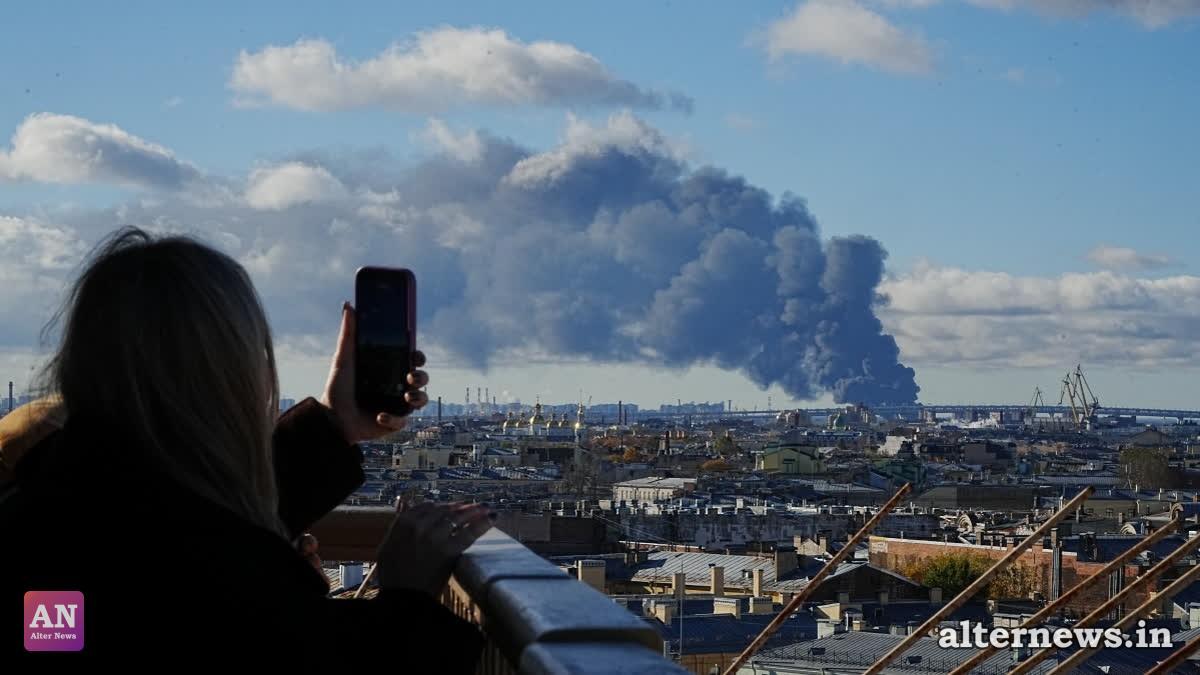
Sunday's drone blitz caused widespread material damage inside Russia. According to St. Petersburg Governor Alexander Beglov, the attacks left one person dead and five others wounded, sparking major blazes at the Petersburg Oil Terminal and the Ruchi oil depot.
Russia’s Defense Ministry claimed that its air defense systems successfully destroyed 1,015 Ukrainian drones across 15 Russian regions, the annexed Crimean peninsula, and the Black Sea.
The Trump-Zelenskyy Spat Deepens
The massive assault follows a public clash between U.S. President Donald Trump and Ukrainian President Volodymyr Zelenskyy. Trump lashed out at Kyiv for targeting Russian oil refineries, arguing that these strikes undermine ongoing peace negotiations and claiming that Zelenskyy "doesn't want to end this war."
Appearing on NBC’s Meet the Press, Zelenskyy fired back, asserting that while he values his relationship with Trump, siding with Moscow would be a historic and tragic mistake for Washington.
"We can't compare me and Putin. He's an aggressor. He occupied us. He killed adults and children... He's a terrorist," Zelenskyy stated.
Zelenskyy also warned that waiving sanctions or easing economic pressure on Moscow merely fills the Kremlin's war chest, proving to Putin that his bet on prolonged conflict is paying off.
Diplomatic Friction and Accidental Incursion
Adding to the regional tension, Ukraine’s Foreign Ministry issued an official apology to Lithuania after a stray drone entered Lithuanian airspace.
As diplomatic channels remain strained and energy infrastructure attacks intensify on both sides, the path toward a stable ceasefire remains heavily uncertain.