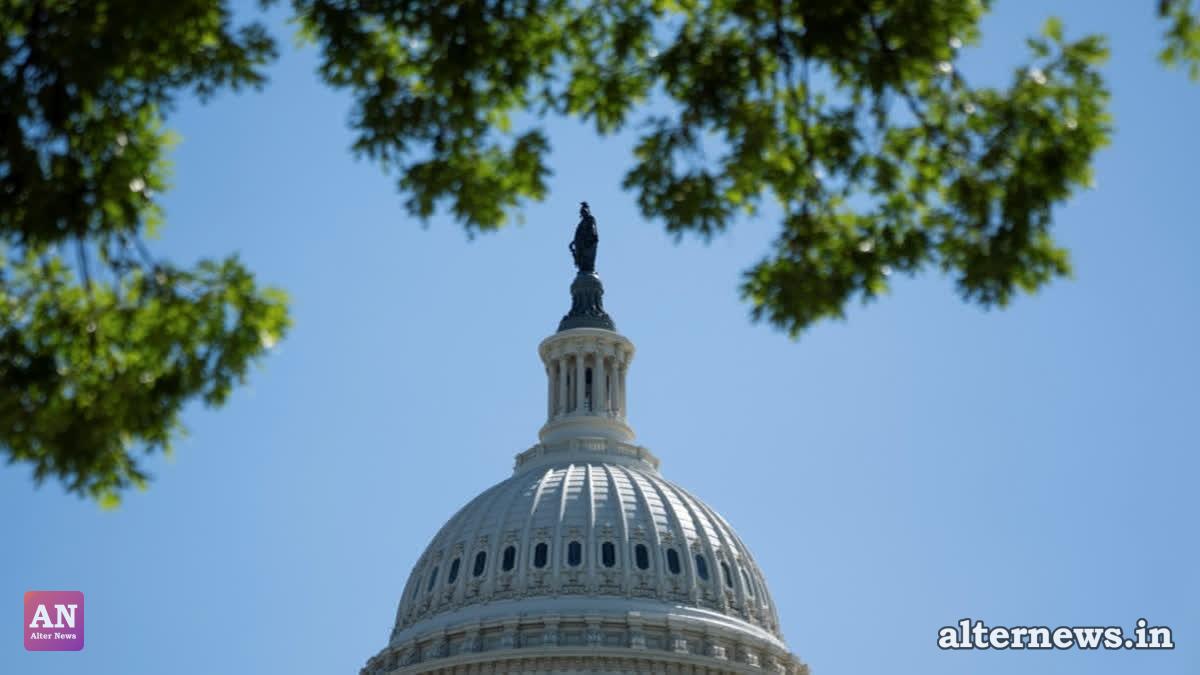
New Delhi / Washington: The United States House of Representatives has passed a major bipartisan sanctions bill targeting Russian energy and officials, a move that introduces a potential 100% tariff threat for major energy importers like India and China. The legislation cleared the House by a vote of 262 to 159 and now heads to President Donald Trump's desk for his signature to be enacted into law.
Officially named the Lindsey O. Graham Sanctioning Russia and Iran Act—a tribute to the late South Carolina Senator—the package represents the culmination of over a year of intense negotiations in Washington. The bill successfully gained critical backing from President Trump after incorporating his demand for a five-year extension of existing US sanctions on Iran.
Targeting Russian Energy Dependence
Beyond expanding sweeping penalties on Russian banking institutions, financial authorities, and the covert "shadow fleet" utilized to circumvent Western restrictions, the legislation includes sharp economic enforcement mechanisms. It specifically authorizes the US President to impose steep tariffs—reaching up to 100 per cent—on countries that continue purchasing Russian petroleum or natural gas.
While the bill does not automatically trigger an immediate 100% levy on Indian imports, it creates a concrete statutory pathway allowing the executive branch to use Washington's market access as leverage against New Delhi and Beijing for sustaining Moscow's war economy. An exemption is included for nations that import less than 15 per cent of their natural gas from Russia and have taken significant actions to curb those dependencies.
Following the House vote, Democratic Senator Richard Blumenthal explicitly remarked to reporters, “China and India, you better buy your oil and gas somewhere else.”
Global Repercussions and Support
The legislation marks the most substantial US legislative push supporting Ukraine since President Trump re-entered the White House. Ukrainian President Volodymyr Zelenskyy actively advocated for the passage of the bill, urging lawmakers to take decisive action despite ongoing geopolitical complications.
The Senate had earlier cleared the bill by an overwhelming 86-11 majority on August 7, though progress in the House faced temporary delays over disputes concerning the stringent tariff language. With final legislative approval now secured, the bill awaits President Trump's signature, which will grant his administration expanded tools to tighten the economic squeeze on Russia and its trading partners.