WASHINGTON / TEHRAN — Tensions across West Asia intensified on Wednesday as Tehran issued a stern warning to shut down passage through the vital Strait of Hormuz for nations or shipping firms that attempt to utilize seized Iranian funds. The ultimatum follows a proposal by US President Donald Trump to use frozen Iranian assets to compensate for commercial vessels damaged in regional hostilities.
The rhetorical escalation broke a fragile lull in the conflict, even as joint US-Saudi air forces launched targeted strikes against Iran-backed militias in eastern Iraq.
Tehran Threatens Maritime Blockade over Frozen Assets
Speaking through state broadcaster IRIB, a spokesperson for Iran's Khatam al-Anbiya Central Headquarters warned that the Islamic Republic’s armed forces will bar commercial traffic through the Strait of Hormuz for any vessel linked to countries facilitating Washington's plan.
The statement came after President Trump announced on Truth Social that future damages to maritime cargo and shipping in the region would be drawn directly from Iranian funds controlled by the United States. Tehran condemned the initiative, accusing the US of inciting instability in the crucial waterway—a maritime chokepoint through which approximately 20 percent of the world’s petroleum transits.
"While warning the criminal US President about the consequences of this illegal action, we announce to all companies and countries that welcome Trump's proposal... the armed forces of the Islamic Republic of Iran will not allow any of their vessels to pass," the Iranian military headquarters stated.
Joint US-Saudi Airstrikes Hit Proxies in Iraq
On the military front, US Central Command (CENTCOM) confirmed that American and Saudi fighter jets executed coordinated airstrikes against Tehran-aligned militia sites across eastern Iraq.
According to CENTCOM, the operational response was triggered by more than 30 aerial drone attacks launched by Islamic Revolutionary Guard Corps (IRGC) proxies within a 72-hour window. Concurrently, Saudi air defense units intercepted multiple armed drones directed at energy facilities in the Kingdom's eastern provinces.
Diplomatic Maneuvers and Nuclear Talks
Despite the military exchanges, diplomatic avenues appear to remain partially open. Speaking during a campaign event, President Trump noted that Tehran "wants to make a deal so badly" regarding its nuclear program, maintaining that Washington would not permit Iran to acquire a nuclear weapon while signaling that back-channel discussions had taken place.
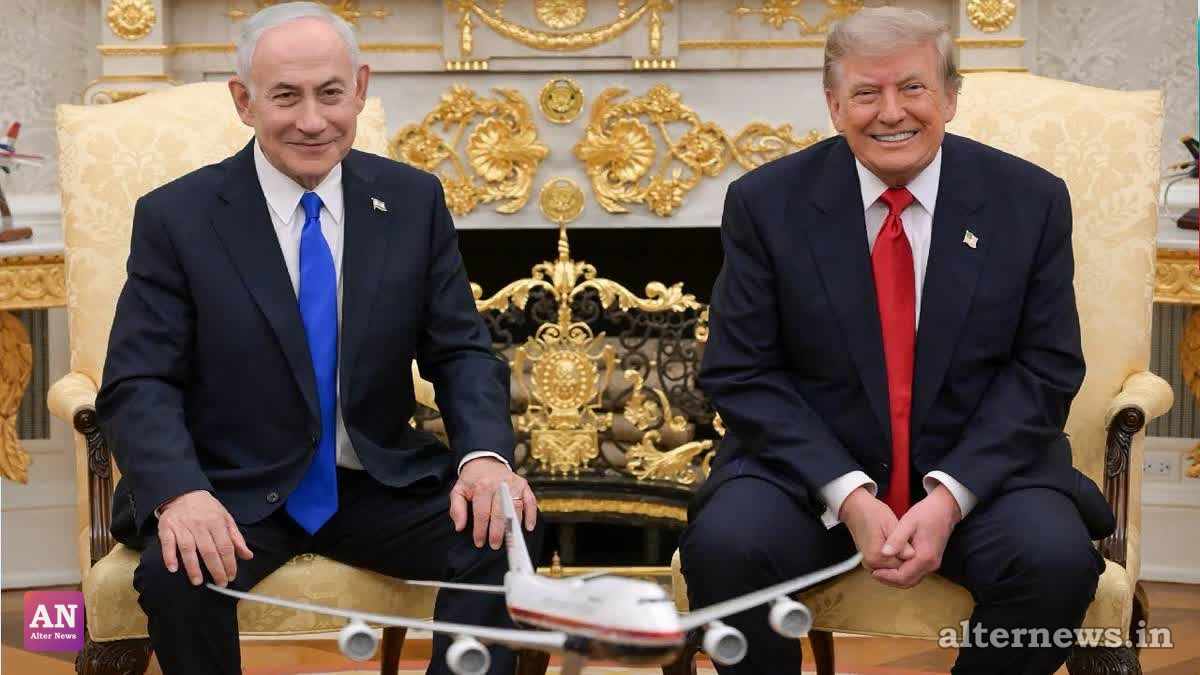
The developments coincide with high-level consultations in Washington, where President Trump hosted Israeli Prime Minister Benjamin Netanyahu at the White House. Following their discussions, Netanyahu described the bilateral security alignment as "one of the best partnerships" of his tenure, confirming that curbing Iran's nuclear capabilities remained the central focus of their strategic agenda.