WASHINGTON / TEHRAN — Military tensions between the United States and Iran escalated sharply on Thursday following a series of retaliatory strikes across the Middle East, threatening to unravel fragile diplomatic negotiations and sparking international scrutiny over civilian casualties.
Iranian Forces Target US Bases Across the Gulf
The Islamic Revolutionary Guard Corps (IRGC) launched targeted drone and missile strikes against key military installations housing American personnel across the Gulf region, including sites in Bahrain and Jordan.
According to statements carried by Iranian state media, kamikaze drones struck fuel storage tanks, warehouses, and military barracks at Isa Air Base in Bahrain. Additional drone operations targeted aircraft hangars and maintenance facilities at Al-Azraq base in Jordan.
Iranian defense officials warned civilians across the region to remain at least 500 meters away from facilities housing American troops, asserting that Tehran's operations were launched in direct response to ongoing US military aggression. Bahraini authorities later confirmed intercepting several aerial threats, accusing Tehran of endangering civilian infrastructure, though US Central Command (CENTCOM) has yet to confirm individual asset damage.
Washington Under Scrutiny Over Iranian Civilian Deaths
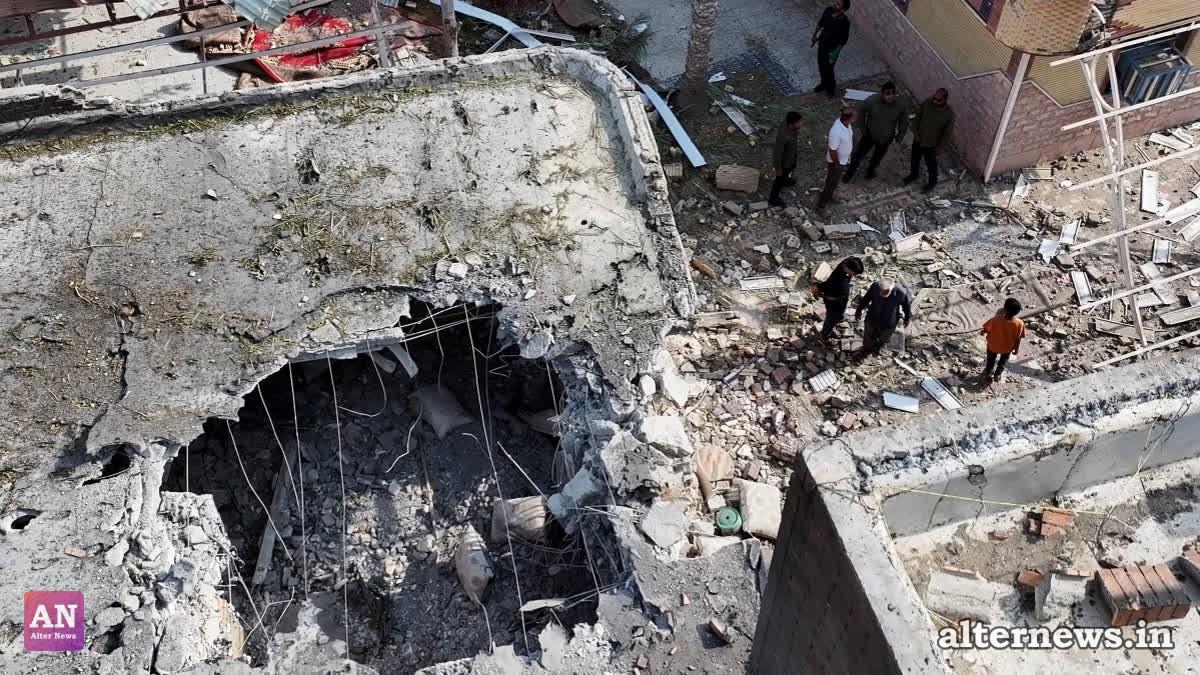
Simultaneously, the White House is facing mounting political pressure and international criticism following reports that a recent US missile strike hit a wedding gathering in Kuhestak, along Iran's southern coast, leaving at least four civilians dead and a dozen others injured.
Addressing reporters during a White House press briefing, US Vice President JD Vance confirmed that the military is actively investigating the incident. "We are investigating this very fully," Vance stated, while expressing skepticism regarding initial Iranian accounts of the strike.
Despite six months of sustained military operations and billions spent on regional deployments, Vance resisted labeling the ongoing hostilities a formal "war," pointing out that major combat operations had concluded weeks earlier and describing current clashes as localized regional flare-ups.
Economic Blockade and Gulf Shipping Disruption
The military friction coincides with an intensifying US economic and naval blockade aimed at severing Iran's financial lifelines. US Central Command reported that allied naval forces have intercepted and redirected dozens of vessels attempting to pass through the Strait of Hormuz.
In response, European allies joined Washington’s newly expanded "Operation Economic Outcast" framework, seeking to isolate Tehran further from global financial markets. However, Iranian Petroleum Minister Mohsen Paknejad maintained that Iranian oil exports continue through alternative routes, signaling Tehran’s resolve to resist Western economic pressure despite mounting maritime blockades.
As both nations trade strikes and maintain heightened force readiness across the region, international observers warn that continued skirmishes risk reigniting full-scale conflict across the Middle East.