TEHRAN / WASHINGTON — As the war between the United States and Iran approaches its sixth month, a complex mix of high-stakes diplomacy, military fatigue, and presidential warnings is reshaping the crisis in the Persian Gulf.
Iran and Oman Draft Hormuz Shipping Accord
In a significant diplomatic move, Tehran and Muscat are holding intensive negotiations to establish a new operational framework for commercial shipping through the Strait of Hormuz.
Speaking on Iranian state television, Iran’s Deputy Foreign Minister Kazem Gharibabadi revealed that under the proposed arrangement, military vessels would be strictly barred from transiting the vital maritime chokepoint. According to Gharibabadi, incoming commercial vessels would navigate exclusively through Iranian territorial waters, while outbound traffic would be split between Iranian and Omani channels.
"These routes will serve as a temporary measure," Gharibabadi stated, adding that both nations plan to establish a permanent maritime traffic plan within 30 to 60 days.
Trump Threatens Oman, Asserts U.S. Victory
The diplomatic maneuvering in Muscat has met fierce resistance from Washington. US President Donald Trump issued a stern warning against the initiative, threatening to bomb Oman if the Gulf nation "gets in the way" of American maritime strategies.
Despite the ongoing gridlock, Trump signaled an unyielding stance during a telephone interview with Al Jazeera. Asserting that the United States is "winning very big," the President reiterated his commitment to the war effort: "I have no time schedule; whatever it takes."
Trump also made unverified claims regarding Iran’s top political leadership, alleging that Supreme Leader Ayatollah Mojtaba Khamenei—who assumed leadership after his father, Ayatollah Ali Khamenei, was killed early in the war—was "very seriously wounded" in prior strikes and remains out of public view.
Diplomatic Push and Warning from the UN
Efforts to prevent further regional escalation are ramping up elsewhere in the Middle East. Qatari Prime Minister Sheikh Mohammed bin Abdulrahman Al Thani is scheduled to arrive in Tehran on Thursday for top-level talks aimed at de-escalating tensions and restoring freedom of navigation in the Strait of Hormuz to pre-war standards.
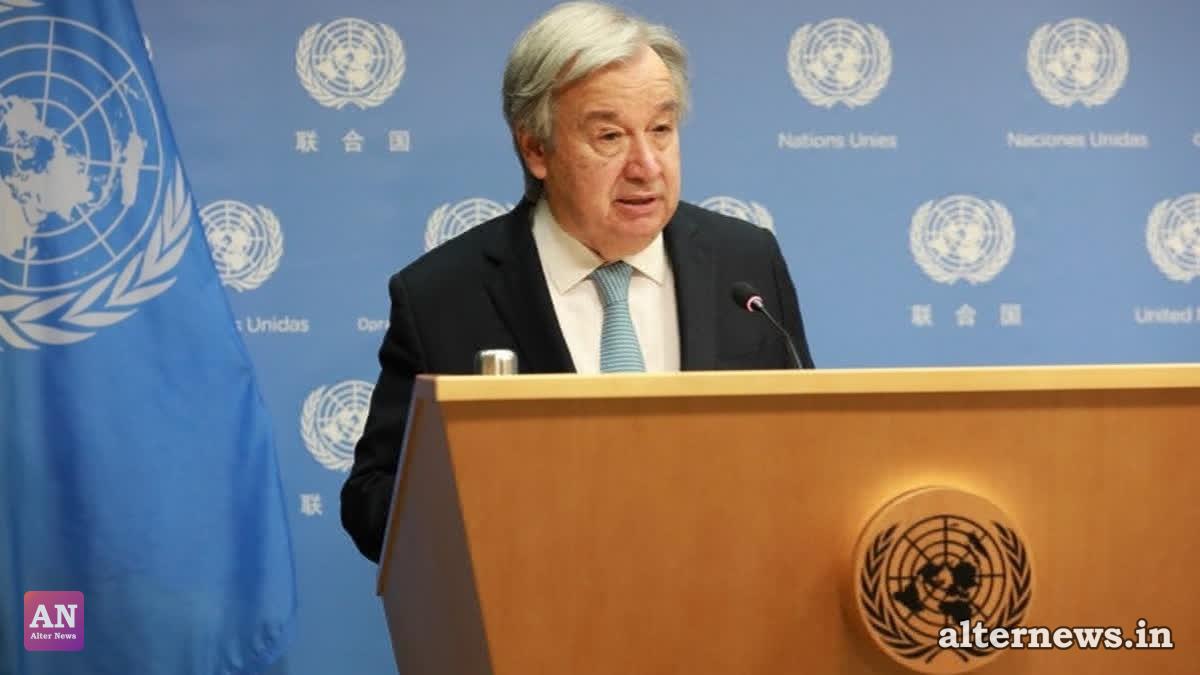
The urgency of these diplomatic efforts was underscored at the United Nations Security Council, where Nickolay Mladenov, head of the Trump-appointed Board of Peace, delivered a stark warning. Mladenov cautioned that if current U.S.-led diplomatic mechanisms collapse, "the only alternative is more war."
USS Abraham Lincoln Prepares for Port Call in Thailand
On the naval front, the U.S. Navy’s intense operational tempo is showing visible signs of strain. The aircraft carrier USS Abraham Lincoln—which has spearheaded American power projection in the Gulf during an uninterrupted 250-day deployment—is set to dock in Thailand next week for extended crew rest and replenishment.
Thai Defense Ministry spokesperson Surasant Kongsiri confirmed that the carrier strike group will make a port call in eastern Thailand before heading back to its home port in the United States, clarifying that no joint military exercises will take place during the visit.
The move comes amid growing internal scrutiny regarding crew health and logistics. U.S. Navy Adm. Daryl Caudle acknowledged early supply chain friction under Operation Epic Fury, noting that while core food and parts were delivered, initial delays impacted daily essentials such as hygiene products and energy drinks. Officials emphasize that logistics have since stabilized as the ship prepares to end its historic deployment.