TEHRAN / WASHINGTON — Tensions between the United States and Iran hit a critical boiling point on Wednesday following the expiration of a 60-day memorandum of understanding signed in June to negotiate a peace deal.
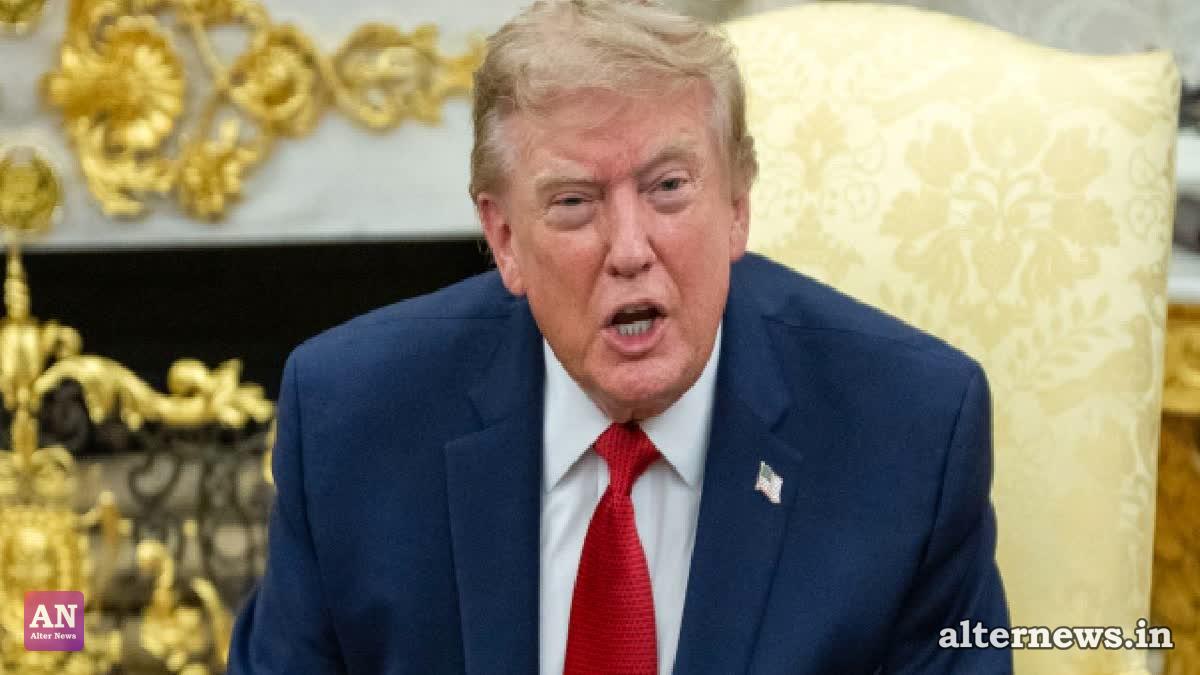
US President Donald Trump signaled a hardline stance, declaring that no active negotiations are taking place or scheduled with Tehran.
Addressing journalists, President Trump insisted the naval blockade of Iranian ports remains in full effect while alleging that all water mines in the strait have been cleared.
Iran’s leadership swiftly condemned the statements, dismissing Washington's claims as unfounded assertions.
"Until America's commitments—including lifting the blockade, releasing frozen assets, lifting oil sanctions, and ending military operations on all fronts—are implemented, the Strait will not be opened," Ghalibaf stated.
Adding to Tehran's pushback, Iranian Deputy Foreign Minister Kazem Gharibabadi posted on social media that the US leader’s territorial claims over the Persian Gulf waterway would be "corrected" by circumstances or by Iran itself.
The diplomatic breakdown coincides with sharp military and economic ripples across West Asia. On Tuesday, the United Arab Emirates announced a complete suspension of all trade, commercial exchanges, and financial dealings with Iran, citing regional escalations.
Meanwhile, maritime security agencies reported an attack on a commercial ship navigating near the Strait of Hormuz, resulting in engine room damage and crew casualties, underscoring the ongoing danger to global commercial shipping.
With global oil benchmarks fluctuating amid uncertainty over the shipping route, both nations remain locked in an impasse, with no clear path toward resuming diplomatic dialogue.