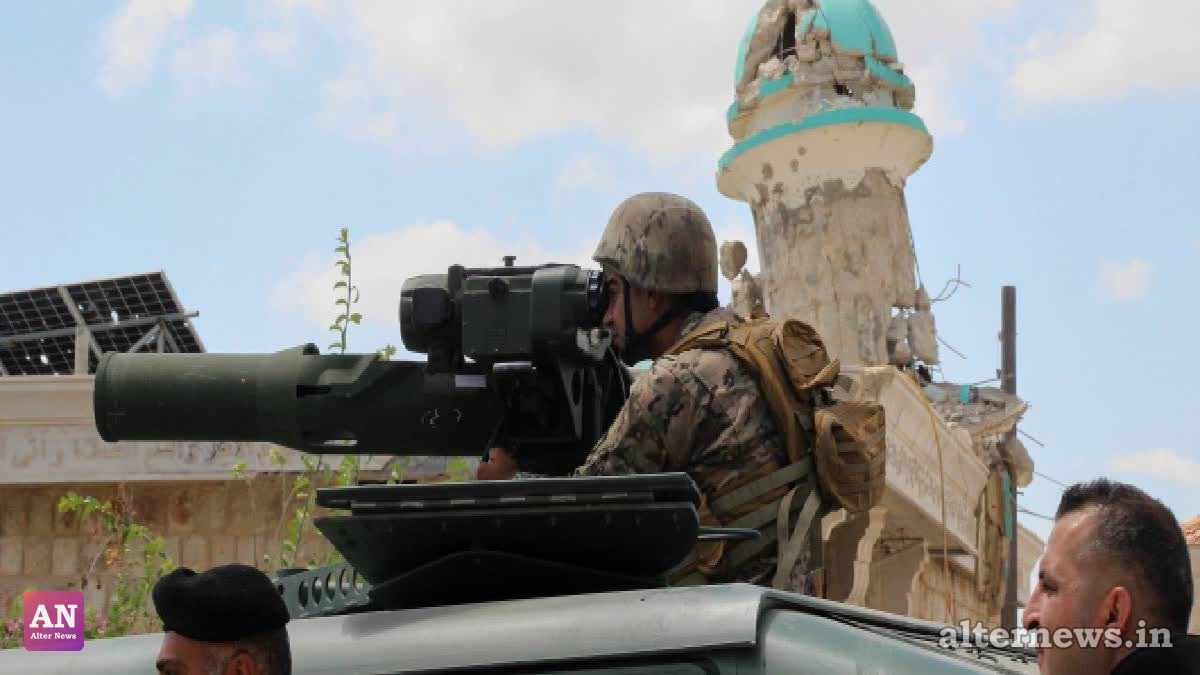
WASHINGTON/TEHRAN — A tense quiet settled over the Middle East on Sunday as both the United States and Iran temporarily halted retaliatory missile strikes, offering a brief respite to vital Gulf shipping lanes and global energy markets after weeks of escalating military friction.
The pause follows 13 consecutive nights of American airstrikes against Iranian targets—the most severe uptick in violence since an interim ceasefire was signed in April. The recent fighting spread beyond the strategic Strait of Hormuz to encompass strikes on military installations, regional shipping corridors, and key diplomatic hubs.
A Window for Diplomacy
U.S. Ambassador to the United Nations Mike Waltz signaled that President Donald Trump is giving diplomatic efforts room to operate, though forces remain positioned for rapid deployment.
"While our forces remain locked and loaded, the President wants to give negotiations a little bit of room," Waltz stated during an appearance on Fox News Sunday, adding on NBC’s Meet the Press that the pause is not due to a shortage of defense interceptors or munitions. "The U.S. military has everything it needs to conduct this campaign as effectively as required."
In Tehran, military officials confirmed the stand-down. Iranian Army Spokesman Mohammad Akraminia stated that because Iran’s doctrine during this phase was strictly retaliatory, the cessation of American bombardment led Tehran to hold its fire as well.
However, complex geopolitics lie ahead. Israeli Prime Minister Benjamin Netanyahu is scheduled to meet President Trump at the White House on Tuesday, where he is expected to press Washington to maintain a firm stance against Tehran's nuclear program.
"With a deal or without a deal, their nuclear program has to come to an end," Netanyahu told Fox News, backing U.S. efforts to halt Iran's capabilities without ruling out further military action.
Pentagon Faces Questions Over Casualty Reclassification
Alongside diplomatic maneuvers, the Pentagon is confronting growing scrutiny regarding how it tracks casualties from the renewed fighting.
The official Defense Casualty Analysis System recently removed four fallen U.S. service members—and dozens of wounded troops—from the main tally for the Iran conflict. The four soldiers, who were killed in mid-July strikes in Jordan and Iraq, were instead listed under a newly created category labeled "Overseas Operations," which currently lists 207 total wounded.
Pentagon Press Secretary Joel Valdez defended the reporting system, explaining that the discrepancy was caused by "temporary data disruptions and system anomalies" rather than an effort to downplay military casualties. Prior to the adjustments, official records listed 18 killed and 482 wounded in connection with the conflict.
As diplomatic envoys prepare to meet, regional observers remain cautiously watching whether the current tactical lull will lead to a durable ceasefire or simply precede another round of intense escalation.