TEHRAN / DOHA — Diplomatic maneuvering intensified across the Middle East on Tuesday as Iran and Oman entered high-level discussions to open a temporary shipping corridor through the crisis-ridden Strait of Hormuz, while international mediators pushed to bring Washington and Tehran back to the negotiating table.
Nearly six months after hostilities broke out on February 28, the vital maritime artery—which previously carried approximately 20 percent of the world’s traded oil—remains severely restricted. The situation was underscored further by a recent attack disabling an oil tanker off the coast of Oman, highlighting the ongoing hazards in the region.
Oman and Iran Propose Phased Navigational Plan
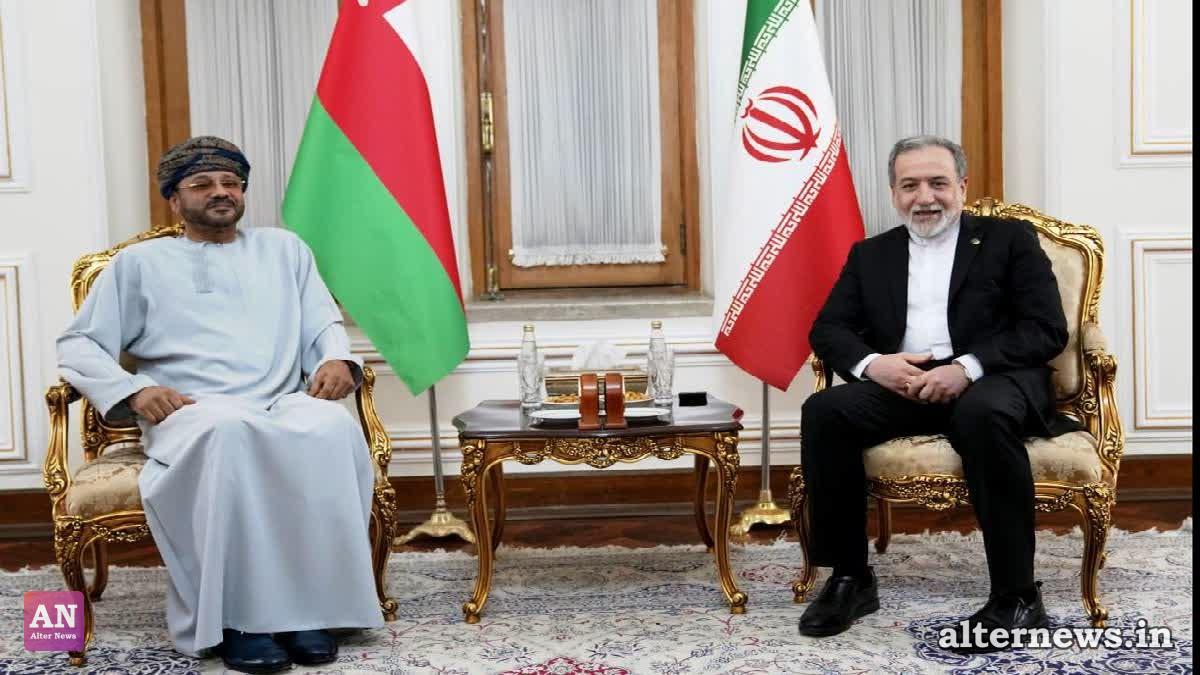
Following a high-stakes bilateral meeting in Tehran between Omani Foreign Minister Sayyid Badr Albusaidi and Iranian Foreign Minister Abbas Araghchi, both nations released a joint statement outlining a temporary framework to manage maritime transit safely.
Under the proposed plan, a temporary navigational corridor will be established, accompanied by joint efforts to clear naval mines deployed along the waterway. Iranian Deputy Foreign Minister Kazem Gharibabadi clarified on state media that inbound shipping into the Persian Gulf from the Gulf of Oman would route exclusively through Iranian territorial waters. In contrast, outbound traffic would share passage between Iranian and Omani waters.
Technical teams from both nations are set to engage in 30-to-60-day negotiations aimed at establishing a permanent, sustainable transit route. It remains unclear how Washington will react to the bilateral framework, particularly following warnings issued last week by US President Donald Trump regarding American efforts to reopen the strait independently.
Qatar Pursues Diplomatic Breakthrough
Concurrently, Qatari officials revealed that backchannel discussions between the United States and Iran remain active. Speaking at a weekly press conference in Doha, Qatari Foreign Ministry spokesperson Majed Al Ansari emphasized that Qatari diplomats are engaging both sides daily to construct a viable path back to formal negotiations.
"Our priority is a return to freedom of navigation and reopening the Strait of Hormuz as it functioned prior to the conflict," Al Ansari stated, reiterating Doha’s position that unilateral economic measures impede a lasting resolution.
Tehran Defiant Amid Escalating US Sanctions
The diplomatic momentum arrives on the heels of new economic measures announced by US Treasury Secretary Scott Bessent, who outlined an aggressive wave of sanctions targeting Iranian commerce.
In response, Iranian Foreign Ministry spokesman Esmaeil Baghaei rejected US assertions regarding current shipping volumes in the strait as "psychological warfare." Baghaei maintained that Tehran would leverage all available multilateral avenues to resist economic pressure, affirming that Iran will not accept terms dictated by aggressive parties.
International Community Weighs In
In London, British Finance Minister John Healey expressed support for Washington's diplomatic objectives and welcomed increased pressure on Tehran, urging Iranian authorities to cease actions disrupting regional maritime stability.
Additionally, a high-level Pakistani delegation departed Tehran on Tuesday after separate discussions with Iranian leadership regarding conflict de-escalation and maritime stability, signaling growing international urgency to prevent further regional contagion.