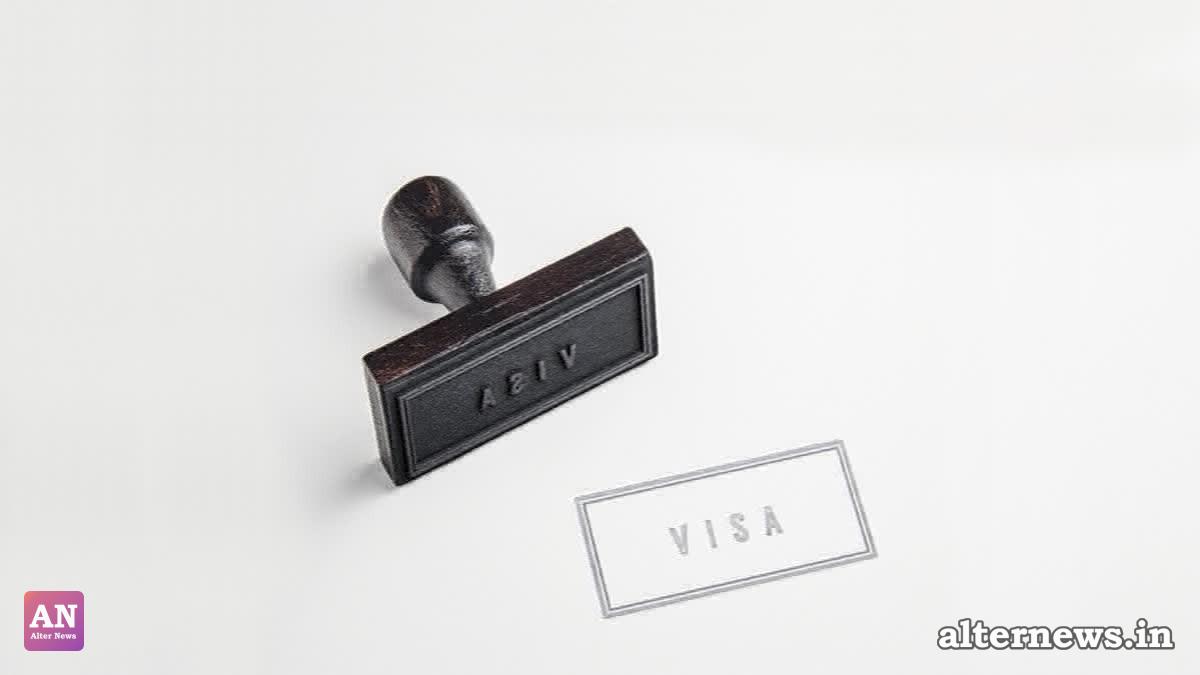
WASHINGTON — In a major setback for the White House immigration agenda, a federal judge on Monday slammed the brakes on stricter visa caps targeting international students, academics, and foreign reporters.
US District Judge Dennis Saylor issued a preliminary injunction putting the Department of Homeland Security (DHS) overhaul on ice—just 24one hour... wait, one day—before enforcement was set to kick in. Pointing to sweeping constitutional and practical concerns, Saylor scheduled a follow-up hearing for October 2 while carving out a temporary shield for global scholars and media personnel.
"The possibilities for abuse are rampant," Saylor wrote in a scathing accompanying memorandum, warning that unappealable discretionary power could easily silence critical foreign reporting.
What the Blocked Rules Entailed
Under the sidelined DHS framework, the traditional duration-of-status admission for international students would have vanished, capping initial stays at four years before forcing students into a bureaucratic renewal gauntlet.
Foreign journalists faced an even harsher squeeze, slashed from a five-year horizon down to a tight 240-day (roughly eight-month) window. Chinese media personnel faced an aggressive 90-day cap with matching 90-day extensions.
Critics—led by a coalition of higher education unions, faculty groups, and press associations—argued the restrictions would cripple international enrollment and chill global reporting.
A 'Bordering on Absurd' Defense
DHS officials had defended the crackdown on national security lines. Judge Saylor didn't bite, dismissing the rationale as "bordering on the absurd" and anchored mostly to "a small handful of anecdotes."
Contrasting the overhaul with decades of economic and scientific dividends, Saylor noted that America’s legacy system welcomed tens of millions of foreign scholars, fueling breakthrough medical, technological, and research milestones.
"Rather than attempt to improve that system, DHS elected to replace it with a new program that will substantially restrict the overall number of foreign students, researchers, professors, and journalists," the judge observed.
Unappealable Power and Press Freedom Fears
What particularly alarmed the bench was the lack of due process under the proposed framework. Visa extension rejections under the rules would be totally discretionary and immune to appeal.
"A DHS official — based on limited and vague criteria, and with no possibility of appeal — will have the power to cut short the academic, research, or teaching activities of any non-US citizen for no reason or any reason," Saylor warned. He specifically flagged the chilling effect on foreign correspondents whose coverage rubs Washington the wrong way.
The block represents a stinging legal speed bump in President Donald Trump’s broader domestic enforcement wave, which spans aggressive metro-area sweeps and tighter legal naturalization chokepoints. With over 1.1 million international students hosted during the 2023–24 academic year alone, America’s higher-ed ecosystem now watches closely to see if October's hearing permanently scuttles the policy or merely delays the storm.