CARACAS — The human cost of the catastrophic twin earthquakes that struck coastal Venezuela in June continues to mount, with officials confirming that the official death toll has now surged past 6,000.
Speaking before parliament on Monday, National Assembly Chief Jorge Rodriguez announced that 6,125 people are now confirmed dead from the disaster, revising the previous official tally of 5,546.
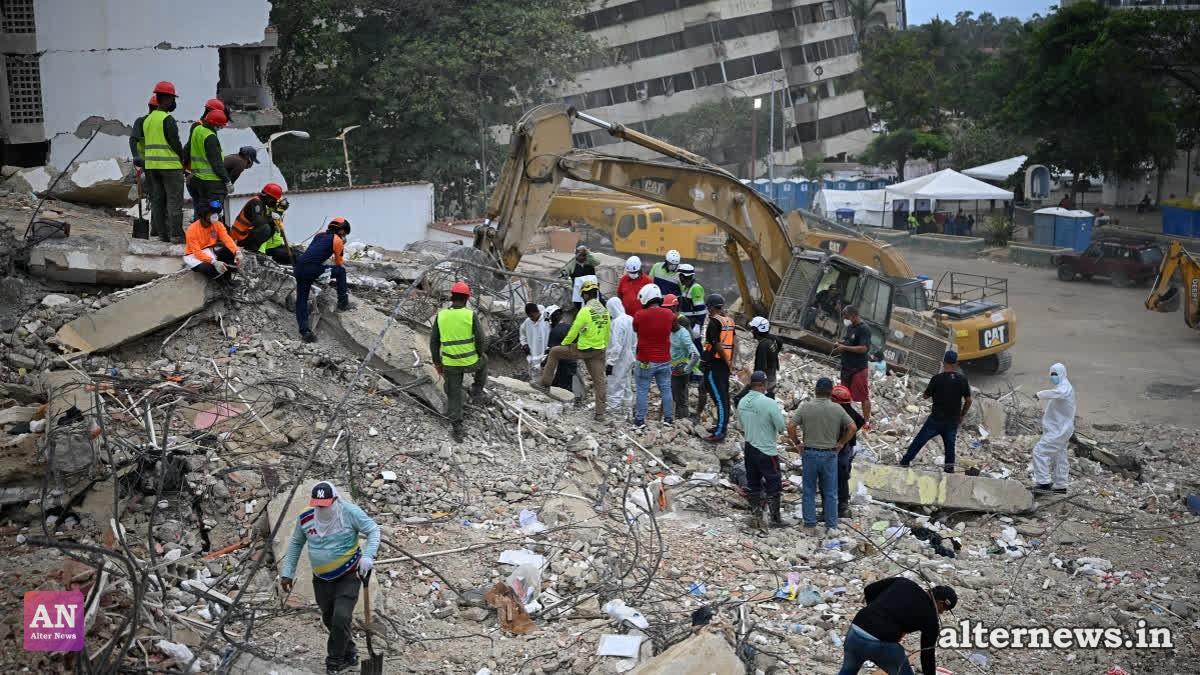
The catastrophic 7.2 and 7.5 magnitude tremors struck back-to-back on June 24, leveling critical infrastructure and flattening close to 200 buildings, primarily in the hard-hit northern coastal state of La Guaira.
First responders, recovery personnel, and desperate family members are still sifting through dense fields of debris in search of missing relatives. Official estimates place the total injured at nearly 17,000.
While local authorities in La Guaira report approximately 1,400 people officially registered as missing, independent experts warn the actual figure could be far higher—potentially reaching up to 10,000 as entire residential blocks remain unexcavated.
In addition to the 190 structures that suffered total collapse, structural engineers have flagged more than 16,200 buildings as structurally unsafe, forcing tens of thousands to abandon their homes. Currently, nearly 24,000 displaced residents across La Guaira and the capital city of Caracas are surviving in makeshift emergency shelters and tent camps.
In response to the unprecedented housing crisis, Venezuelan lawmakers unanimously passed emergency housing legislation on Friday aimed at deregulating the property market. The measure repeals strict anti-rental statutes enacted during previous Chavista administrations, lifting heavy price caps and legal restrictions in an effort to incentivize property owners to open vacant units to disaster victims.
Interim leader Delcy Rodriguez praised the legislative shift, framing it as an essential step toward recovery that could open up to 400,000 residential units for prospective tenants.
"This creates a win-win scenario for both tenants and homeowners during a national emergency," Rodriguez stated.
The interim government has pledged to construct 4,000 new permanent housing units for displaced families by the end of this year, with plans to expand that target beyond 10,000 units by 2027 as international aid and reconstruction efforts continue.