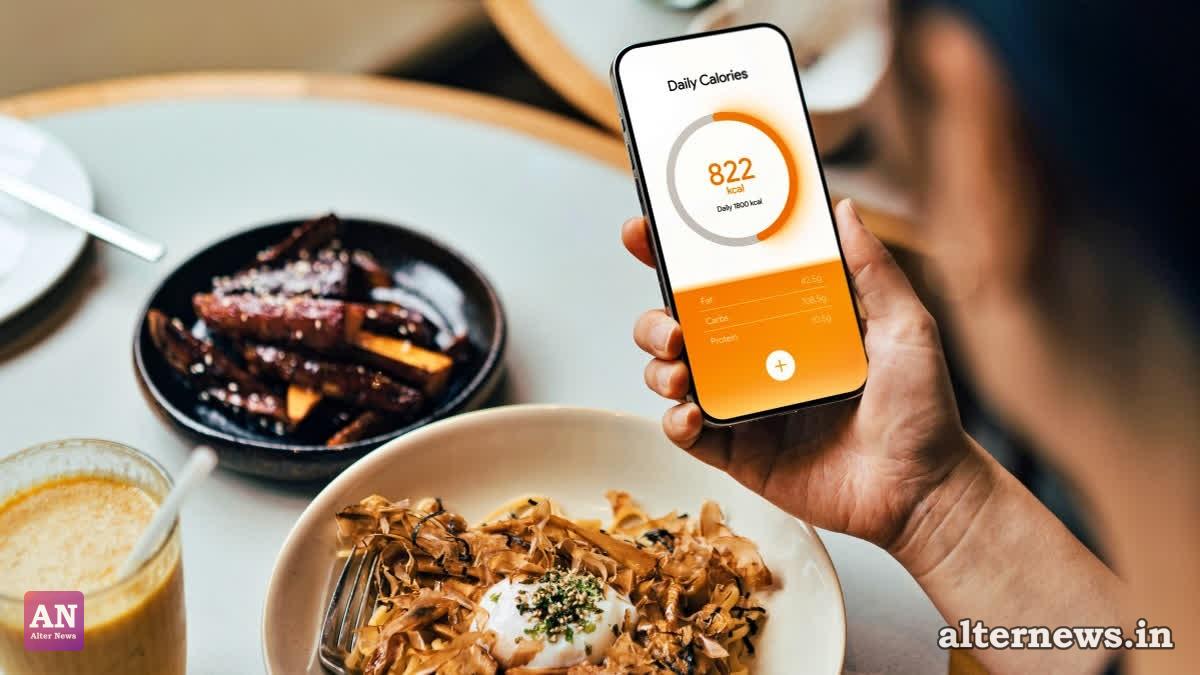
NEW DELHI — In modern health tech, a simple experiment has taken over personal wellness: feed an algorithm your age, height, weight, activity level, and goals, and within seconds, receive a complete daily meal plan.
From macros and meal timing to customized shopping lists, artificial intelligence makes nutrition planning look effortless. However, health experts urge consumers to exercise caution. Generating a meal plan on paper is not the same as understanding the complex biology of a human body.
The Promises: Efficiency, Structure, and Ideas
AI excels at data-heavy, repetitive organization. For someone who simply needs structure or struggles with decision fatigue around healthy eating, algorithms offer tangible utility.
Key areas where AI diet tools perform well include:
Reducing Decision Friction: Tell an AI tool what ingredients remain in your refrigerator, and it instantly yields multiple customized recipes.
Instant Calculations: Automated tools compute baseline caloric demands, macronutrient ratios, and dietary variations in seconds.
Portion Estimation: Emerging computer-vision technology can analyze food photography to approximate calorie content and portion sizes.
By simplifying logistics, AI can bridge the gap between knowing what to eat and executing healthy eating habits daily.
The Pitfalls: Biology Is Not a Spreadsheet
Despite its efficiency, AI operates on limited input data. The central flaw in algorithm-driven nutrition is that recommendations can appear hyper-personalized while remaining clinically generic.
Human metabolism does not respond to a software rating; it responds to complex biological systems. Genetic variations, gut microbiome composition, underlying conditions (such as PCOS or thyroid disorders), sleep debt, and current medications dramatically alter nutritional needs. Two individuals eating identical AI-generated meals can experience entirely different metabolic outcomes.
Dangerous Caloric Deficits and Risk of Disordered Eating
Recent studies into automated diet advice reveal troubling technical gaps. Research examining AI-generated nutrition recommendations found that algorithms frequently undercalculate necessary energy intake—sometimes by hundreds of calories per day—while overestimating protein and fat ratios. For teenagers or active adults, sustained deficits of this scale risk metabolic slowdown, fatigue, and micronutrient deficiencies.
Crucially, AI delivers flawed dietary math with absolute confidence.
Furthermore, digital nutrition platforms heavily reward tracking: counting grams, measuring portions, logging calories, and weighing food daily. While tracking builds awareness for some, strict automated limits can exacerbate obsessive behaviors or trigger unhealthy relationships with food in vulnerable individuals. Unlike a human dietitian, software cannot observe when a user’s tracking transitions into restrictive, disordered habits.
How to Safely Use AI for Nutrition
Health professionals advise viewing AI as a helpful kitchen assistant rather than a primary medical authority.
Do use AI to: Brainstorm healthy meal combinations, find creative recipes for leftover ingredients, compile grocery lists, and track general habits.
Don't use AI to: Diagnose nutritional deficiencies, navigate medical conditions, prescribe extreme calorie restrictions, or manage clinical conditions like diabetes, eating disorders, or pregnancy.
For individuals with underlying medical needs, consulting a qualified clinical dietitian or medical doctor remains essential. Algorithms can process numbers, but only human expertise can interpret the body behind them.