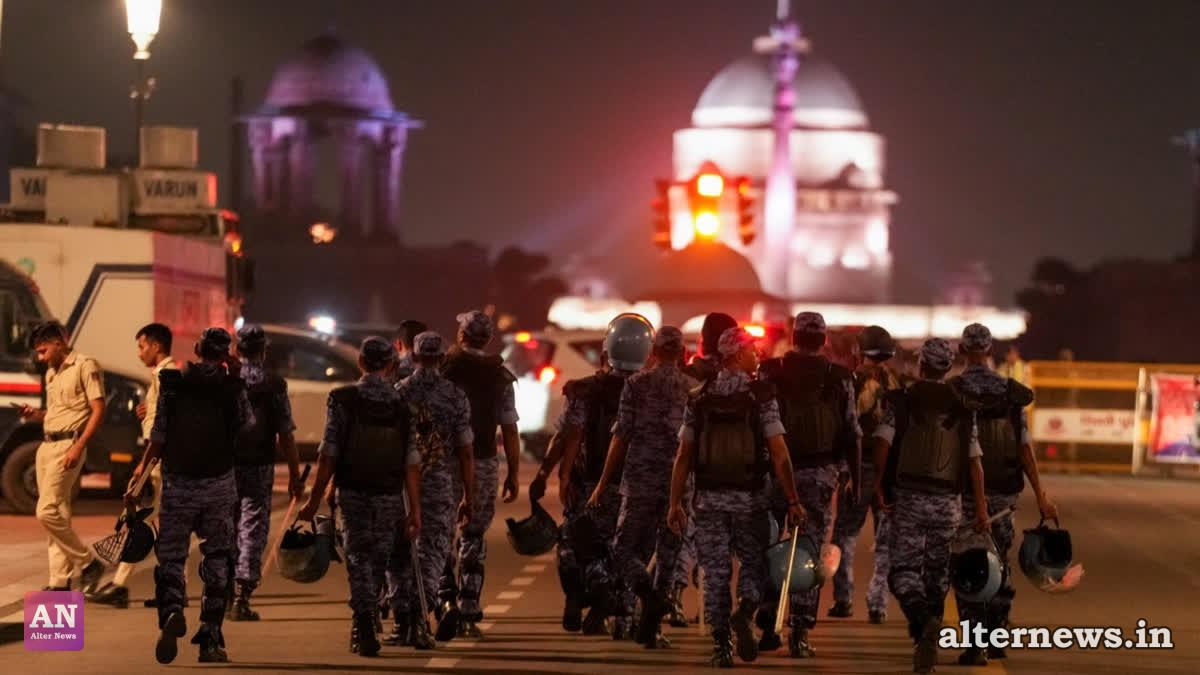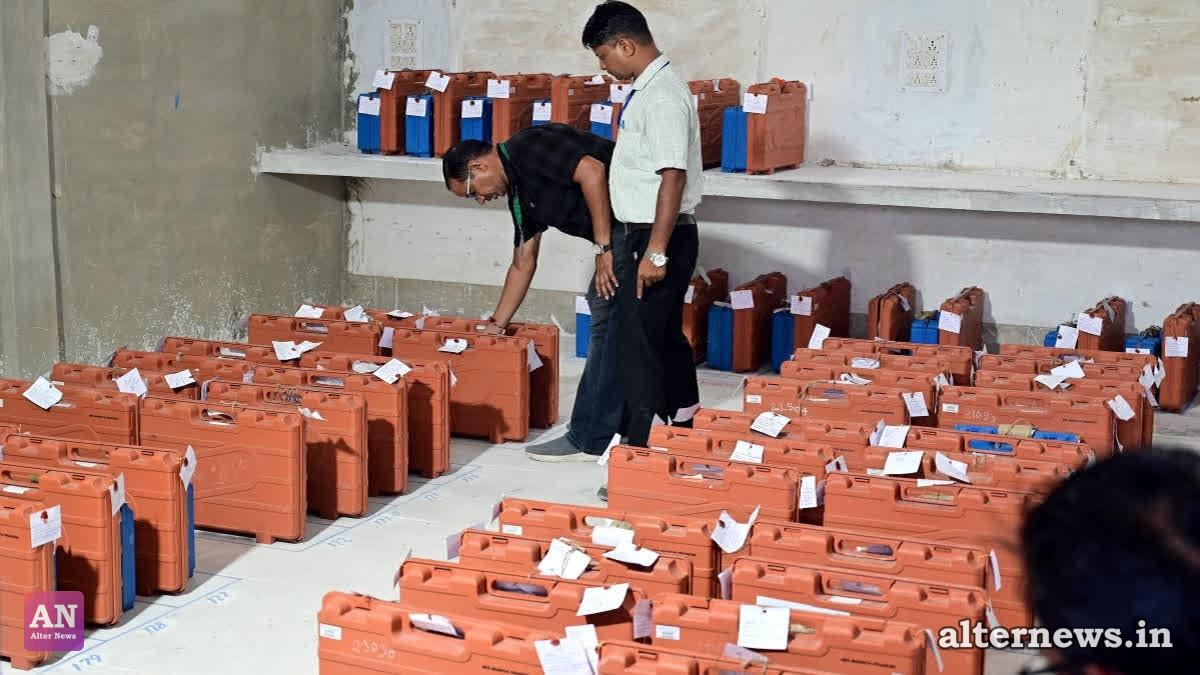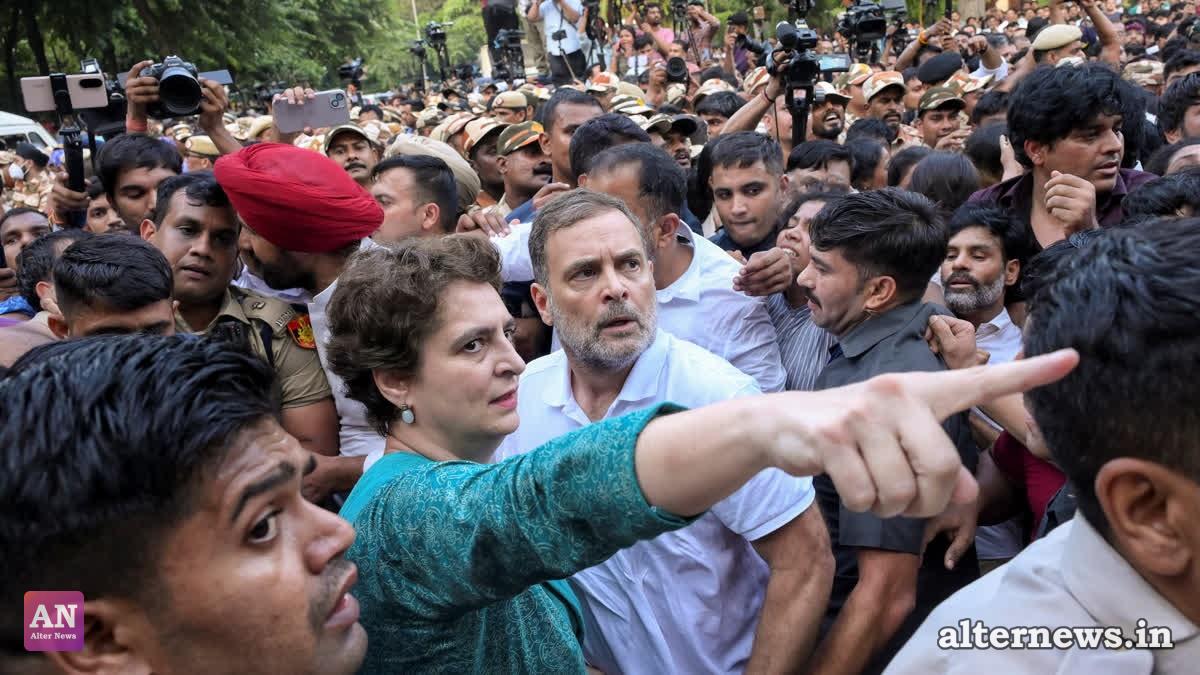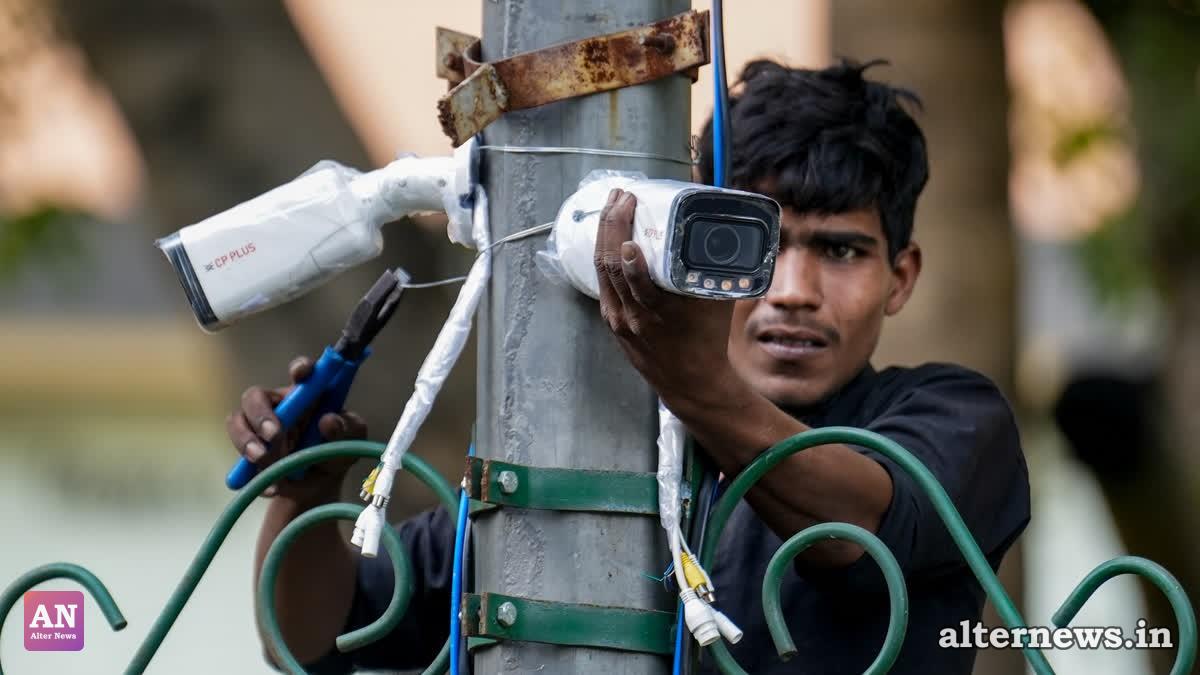
NEW DELHI: The national capital has been placed under an unprecedented and suffocating security blanket on Saturday, October 10, as authorities enforce massive restrictions to thwart a planned anti-CEC demonstration called by the Cockroach Janta Party (CJP). With permission for the protest at Jantar Mantar officially denied by the Delhi Police citing a breach of past undertakings, the administration has gone into overdrive to lock down central and border regions of the city.
More than 25,000 security personnel, comprising city police and paramilitary forces, have been deployed across the capital. Strategic entry points, including borders shared with Uttar Pradesh and Haryana, have been heavily fortified with spike strips, intensive vehicle checks, and strict ID verifications, leaving thousands of daily commuters and office-goers stranded at various barricades.
Transport and Communication Paralyzed
The fallout of the security clampdown has severely crippled normal life across the National Capital Region (NCR):
Metro and Transit Closures: At least 45 metro stations across key corridors have been temporarily shut down or subjected to strict entry-exit restrictions on security orders. Additionally, regional rail services like Namo Bharat stations at Sarai Kale Khan and New Ashok Nagar have faced closures.
Train Cancellations: Western and Central Railways have canceled or rescheduled several long-distance trains bound for Delhi, including key services from Mumbai, to deter mass mobilization.
Internet Blackout: Mobile internet services have been temporarily suspended within a 4-kilometer radius around the Jantar Mantar and Janpath-Kartavya Path zones following approvals by the Ministry of Home Affairs.
High-Profile Detentions and Crackdown
Ahead of the rally, security agencies have initiated preventive detentions. Popular YouTuber and commentator Dhruv Rathee was reportedly detained by intelligence sources in Gurugram, where he was staying, while trying to join the movement. Furthermore, Delhi Police have detained over 100 individuals with criminal records and intensified scrutiny on social media content creators to prevent viral mobilization.
CJP founder Abhijeet Dipke lashed out at the establishment shortly before landing in Delhi, claiming that the heavy-handed measures and sweeping shutdowns are proof that the administration is terrified of democratic dissent and public questioning.
With the New Delhi district carved into 20 administrative zones under senior IPS officers, police maintain that strict actions will be taken against anyone attempting to defy prohibitory orders or disrupt public peace. Commuters across the city continue to face heavy traffic snarls and delays as security checks remain tightened through the day.