When Zoë Armstrong finally saw an ultrasound report confirming signs of endometriosis, she called her mother and broke down in tears. For years, the 31-year-old had lived with relentless physical discomfort while navigating endless medical appointments in search of answers.
"To see it on paper, I was like, 'I'm not crazy,'" Armstrong recalled. "I very much knew what I was feeling in my own body."
Armstrong's story reflects a widespread reality. According to the American College of Obstetricians and Gynecologists (ACOG), patients frequently wait up to a decade or longer from the onset of symptoms before receiving an official diagnosis of endometriosis.
A Hidden Epidemic Affecting Millions
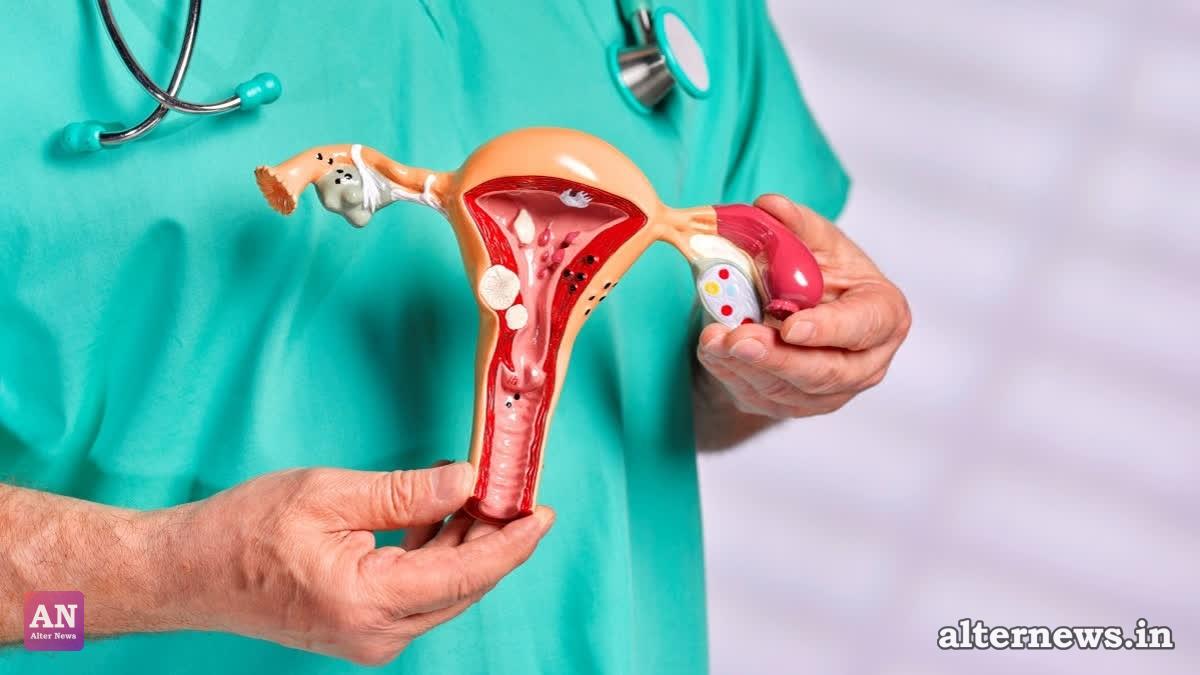
Endometriosis affects approximately 1 in 10 women and individuals assigned female at birth globally. It occurs when tissue similar to the lining of the uterus grows outside the uterine cavity, most commonly on the ovaries, fallopian tubes, outer surfaces of the bowel, or bladder. In rarer instances, lesions can develop beyond the pelvic region.
Research increasingly points to endometriosis as a chronic inflammatory disorder. While its precise cause remains unknown, medical experts emphasize that genetic factors play a significant role.
The symptoms can be varied and severe, including:
Severe pelvic pain: Often occurring during menstruation, sexual intercourse, or bowel movements.
Gastrointestinal distress: Persistent bloating, constipation, and nausea.
Chronic fatigue: Unrelenting exhaustion linked to ongoing inflammation.
Infertility: Difficulty conceiving due to scar tissue or structural damage to reproductive organs.
Why Is Endometriosis Diagnosis Delayed?
Medical experts cite several factors behind the prolonged delays in identifying the disease:
Normalization of Period Pain: Societal stigma and clinical misconceptions often lead both patients and medical providers to dismiss severe pelvic pain as a normal part of menstruation.
Symptom Overlap: Symptoms frequently mimic other gastrointestinal or gynecological conditions, such as irritable bowel syndrome (IBS) or pelvic inflammatory disease.
Lack of Specialized Training: Many primary care providers lack extensive training in recognizing the subtle clinical signs of endometriosis, leading to misdiagnoses or repeated referrals.
Dr. Megan Billow of the Cleveland Clinic notes that overcoming these hurdles requires increased awareness among both healthcare providers and patients. Experts recommend that individuals suffering from chronic pelvic pain keep a detailed symptom diary logging when pain occurs, its location, and its severity to share with their doctors.
New Innovations on the Horizon
To close the diagnostic gap, researchers are developing non-invasive tools designed to identify endometriosis sooner:
EndoSure: A 30-minute procedure that evaluates electrical signals in the gut using sensor pads placed on the abdomen. The developer, Maryland-based EndoSure, is currently preparing an application for U.S. Food and Drug Administration (FDA) approval as an auxiliary diagnostic tool.
Endotest: Developed by French company Ziwig, this saliva-based test analyzes microRNAs associated with endometriosis. It delivers results within two to three weeks and is currently being introduced to U.S. markets through certified laboratory pathways.
Dr. Andrew Spiers of Ziwig emphasizes that while saliva-based testing serves as an encouraging starting point, non-invasive tests are intended to complement—not replace—imaging and clinical evaluations.
Managing the Condition
While there is currently no cure for endometriosis, standard care focuses on symptom management and pain relief:
Pain Medications: Over-the-counter nonsteroidal anti-inflammatory drugs (NSAIDs) or targeted prescription therapies.
Hormonal Therapies: Oral contraceptives, progestins, or GnRH agonists designed to suppress or temporarily pause the menstrual cycle.
Surgical Interventions: Laparoscopic procedures to excise lesions, or hysterectomy in advanced, non-responsive cases.
As clinical research advances and public awareness grows, experts hope early detection tools will shorten the diagnostic timeline, sparing patients years of unnecessary suffering.