WASHINGTON / TEHRAN — An ambitious 60-day deadline aimed at bringing a permanent end to the war between the United States and Iran has officially expired, leaving both nations further apart than when they first signed a tentative truce at Versailles in June.
With key provisions of the interim Memorandum of Understanding unfulfilled, detailed nuclear discussions stalled, and a vital global shipping lane remaining severely disrupted, both Washington and Tehran appear locked in a battle of economic and military endurance, hoping the other side will yield first.
The Collapsing Versailles Accord
The June agreement was designed to serve as a stepping stone toward a comprehensive peace treaty following hostilities that broke out on February 28 between Iran, Israel, and the United States. Under its original terms, both sides agreed to a complete cessation of military strikes and a 60-day window to negotiate a lasting deal that would address Iran’s nuclear program, ensure Lebanon’s territorial integrity, and reopen the Strait of Hormuz to international shipping.
Instead, the interim deal rapidly unraveled within weeks. A dispute emerged over a vaguely worded clause giving Iran a role in facilitating maritime traffic through the Strait of Hormuz, a narrow waterway that handled nearly 20% of the world’s traded oil and gas prior to the war. Tehran interpreted the language as authorization to levy fees and enforce sovereign control over the passage.
When Iran began firing on vessels navigating alternative, US-monitored trade routes off the coast of Oman, Washington responded with targeted strikes. Tehran retaliated by targeting Arab nations hosting American military bases, including Jordan, Kuwait, and Bahrain.
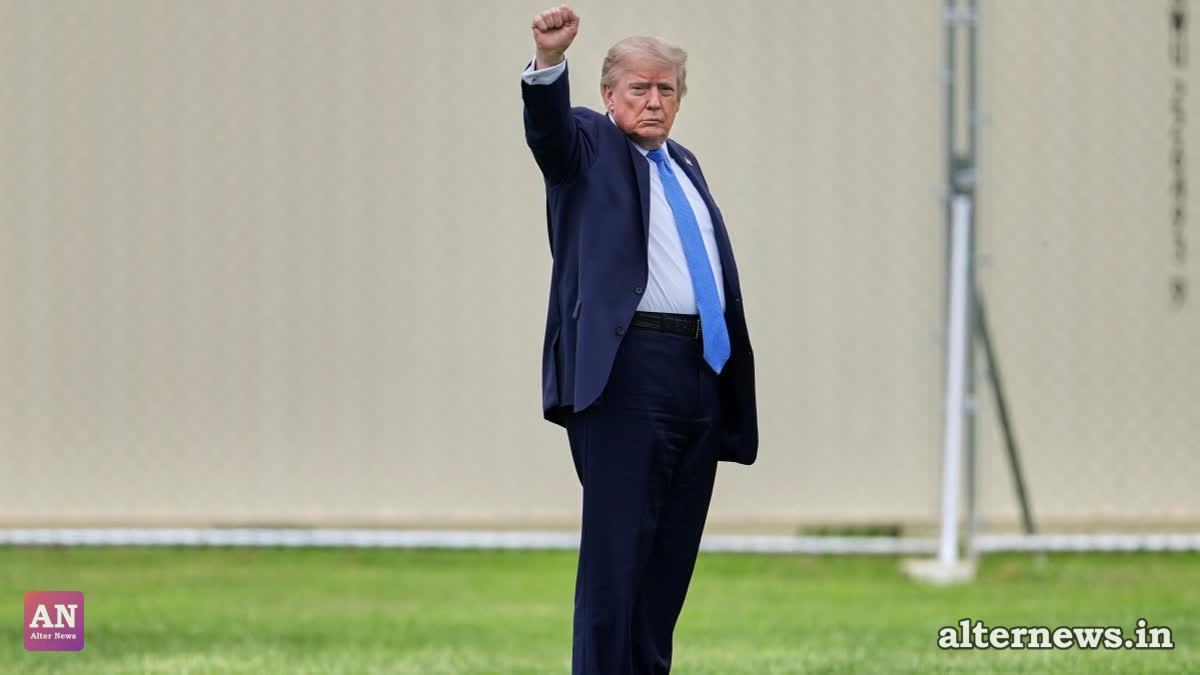
In response, US President Donald Trump revoked sanction waivers granted under the interim deal and reinstated a naval blockade on Iranian ports. While large-scale military exchanges have since subsided—and a fragile ceasefire between Israel and Hezbollah in southern Lebanon continues to hold—virtually nothing remains of the June peace framework.
Divergent Paths and Stalled Negotiations
Official communication between the two adversaries has effectively halted. Iranian leadership confirmed they ceased direct talks with US diplomats in June, relying solely on third-party intermediaries to relay messages. While President Trump has publicly asserted that negotiations remain ongoing, Iranian officials have rejected the claim.
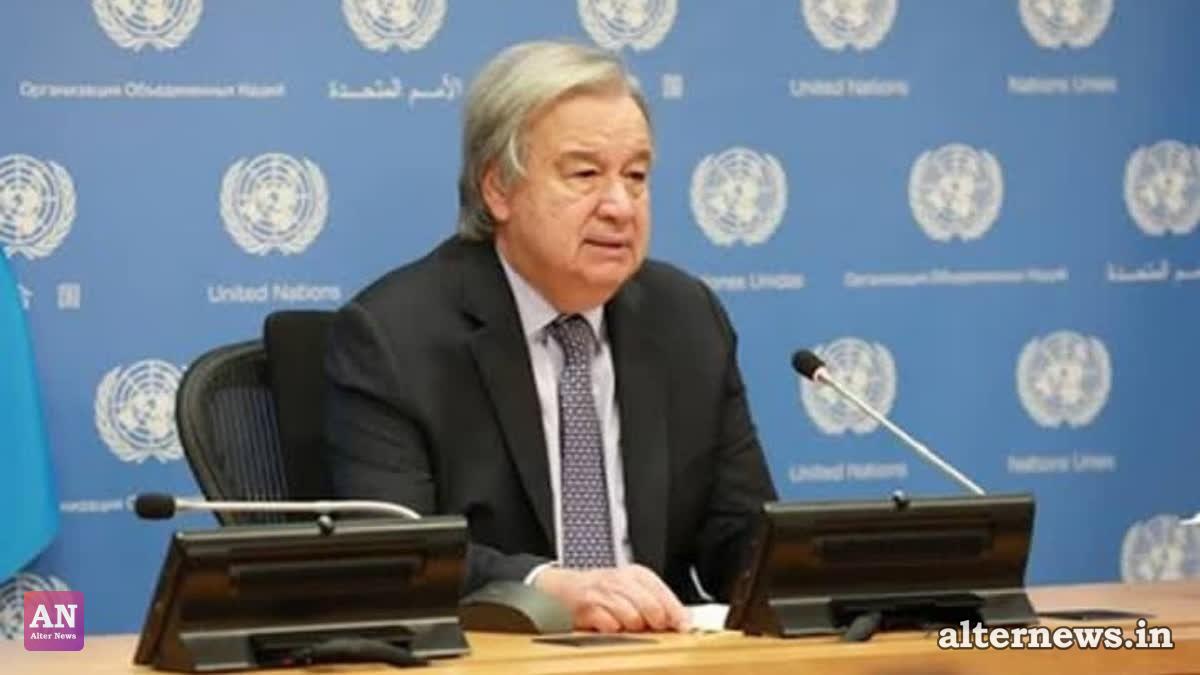
Pakistani officials, who played a central role in brokering the June agreement, confirmed the deadline passed on Monday but insisted diplomatic efforts are not dead. "We are not closing the chapter," said Pakistani Foreign Ministry spokesman Tahir Andrabi, adding that Islamabad continues "all-out efforts to bring the two parties back to the negotiating table."
High Stakes at the Strait of Hormuz
Tehran has raised its demands for reopening the waterway, insisting on a complete removal of the US blockade, a full withdrawal of American forces surrounding Iran, and financial reparations for damages sustained during the conflict. Iranian officials maintain that even under a future agreement, the strait will no longer operate as an open, toll-free passage, referencing an independent framework being negotiated with neighboring Oman.
To compound the shipping crisis, Iran-aligned Houthi rebels in Yemen have initiated fresh attacks on Saudi oil tankers in the Red Sea, threatening a secondary trade corridor that maritime operators had used to bypass the Persian Gulf blockade.
Washington has firmly rejected Tehran's terms. President Trump has countered that Iran must pay reparations for the war and asserted that the US navy retains tactical control over the strait. US strategy currently relies on heavy economic leverage—via the reinstated blockade and long-standing sanctions—to pressure Tehran into concessions.
Mounting Economic Pressure
The prolonged conflict carries significant risks for both nations and the broader global economy:
For Iran: The domestic economy faces severe inflation and crippling isolation. Analysts note that continued economic stress risks reigniting widespread anti-government protests across Iranian cities.
For the United States: A prolonged escalation threatens to drain stocks of high-tech missile interceptors, push global energy and fuel costs significantly higher, and strain the US domestic political landscape ahead of upcoming congressional elections.
As commercial traffic through the Strait of Hormuz remains a small fraction of pre-war levels, analysts warn that extended gridlock will send economic shocks well beyond the Middle East, leaving global energy markets bracing for further volatility.