MEERUT: While households increasingly rely on mosquito repellents to combat insect bites and prevent vector-borne illnesses, health experts are sounding the alarm over the hidden hazards of cheap, locally produced mosquito coils and incense sticks. According to specialists, minor carelessness in choosing domestic pest control products can severely jeopardize family health, exposing individuals to toxic fumes and dangerous chemicals.
Many commercially available mosquito coils and incense sticks rely on active ingredients like pyrethrin, prallethrin, or unregistered chemicals such as meperfluthrin. Combined with wood shavings or charcoal to facilitate slow burning, these products release fine particulate matter and hazardous gases like formaldehyde directly into the indoor air when ignited.
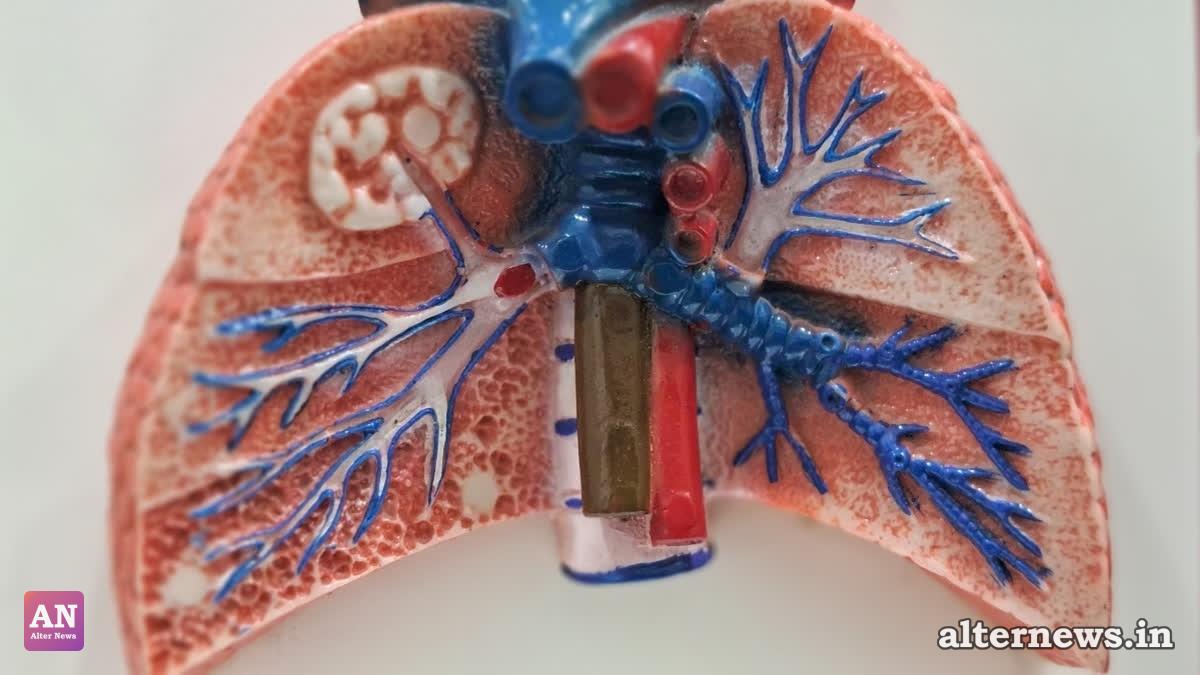
Senior chest specialist Dr. Virottam Tomar highlighted that burning these products in closed or poorly ventilated spaces drastically depletes oxygen levels while accumulating carbon monoxide. This environment frequently triggers acute respiratory distress, severe eye irritation, chronic bronchitis, and asthma flare-ups—with children and elderly family members facing the highest risk.
Furthermore, medical professionals warn that continuous inhalation of these toxic combustion byproducts allows hazardous compounds to enter the bloodstream. Over extended periods, this exposure has been linked to severe life-threatening conditions, including lung, kidney, and liver cancers, alongside neurological impacts that impair bodily functions and alertness.
Authorities and agricultural protection officials stress that many cheap market alternatives bypass safety regulations and lack proper Central Insecticide Registration (CIR) approval. Officials note that periodic crackdowns target illegal manufacturers peddling harmful chemical-laden formulations, but consumer vigilance remains critical.
Medical experts ultimately advise the public to reject unregulated chemical-laden mosquito coils and incense sticks, urging households to prioritize safer, traditional alternatives such as 100 percent safe mosquito nets to protect health without compromise.