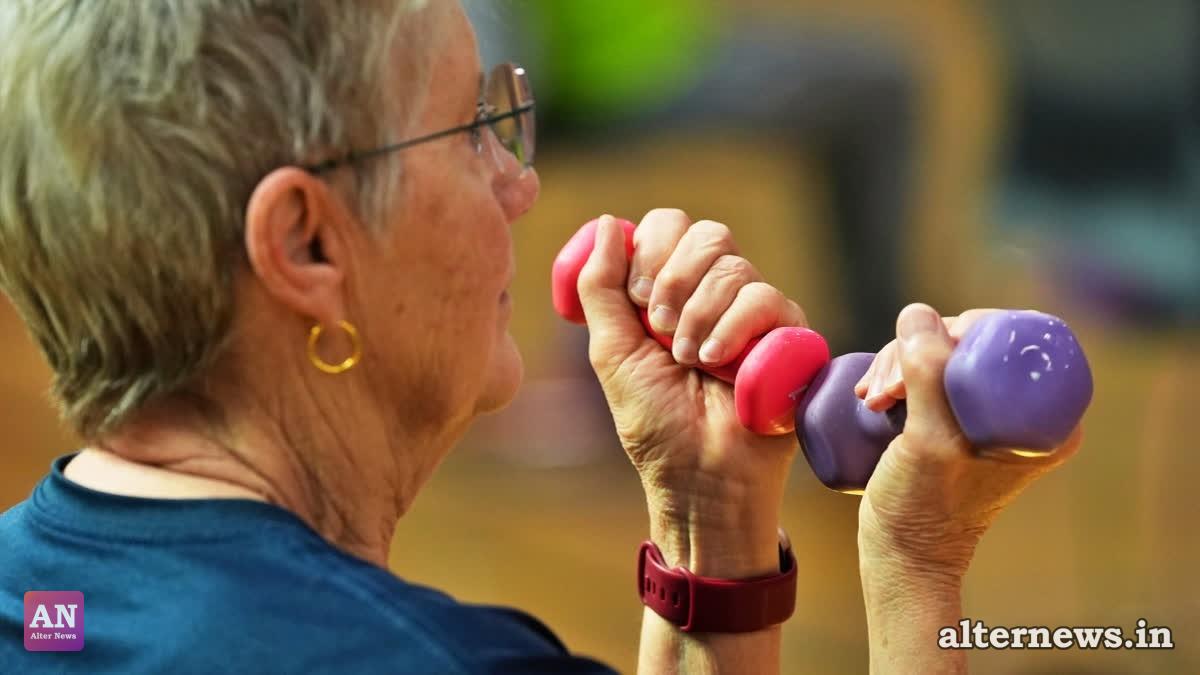
WASHINGTON — Hand grip strength. Single-leg balance. Standing up from a cross-legged position on the floor without using your hands.
In recent years, simple physical mobility challenges have surged in popularity, frequently highlighted on social media as definitive metrics of healthy aging and even proxies for life expectancy. Medical experts, however, caution that while these tests provide crucial insights into an older adult's physical reserve and fall risk, they are diagnostic entry points—not crystal balls predicting lifespan.
"A poor or declining result is a reason for a health professional to investigate why function is changing, rather than gauging how long someone will live," explains Auriel Willette, an expert on brain aging at Rutgers University.
Inside Popular Mobility Screenings
Geriatric care relies on several standardized physical screenings to gauge physical resilience:
Sit-to-Stand Tests: The U.S. Centers for Disease Control and Prevention (CDC) utilizes a 30-second chair-stand test for patients over 60, recording how many times a patient can stand completely upright from a seated position. A viral variation—the sitting-rising test—awards points for lowering to and rising from the floor without using hands, knees, or arms for support.
Timed Up and Go (TUG): Frequently used in clinical settings, the TUG test measures the time it takes for a patient to rise from a chair, walk 10 feet (3 meters), turn around, return, and sit down. This single test evaluates balance, walking speed, and lower-body muscle power simultaneously.
Targeted Physical Indicators: Grip strength squeezes, gait stability, and single-leg balance times serve as additional markers for physical frailty—a clinical state where the body loses its capacity to recover easily from minor illnesses or injuries.
Dr. George Hennawi, a geriatric specialist at MedStar Health in Baltimore, notes that these screenings help clinicians narrow down underlying issues. A poor score might stem from slow reflexes, arthritic joint pain, diminished leg strength, or cardiovascular issues causing shortness of breath or dizziness. "The key to reacting to it is to understand where did we not do well," Hennawi emphasizes.
Looking at the Broader Picture
Geriatric specialists stress that no single physical test provides a complete picture of an individual's health status.
Dr. David Lee of the Multidisciplinary Falls Clinic at UCLA points out that isolated metrics can be misleading. For instance, while reduced grip strength is often associated with broader physical decline, it can also simply reflect local joint issues like hand arthritis, past stroke damage, or targeted muscle disuse.
To gain a comprehensive assessment, researchers often rely on multi-component toolkits like the National Institute on Aging's Short Physical Performance Battery (SPPB)—a 10-minute series combining balance, gait speed, and chair-stand evaluations that has been clinically validated to track disability and mortality risks over time.
Focusing on Overall Health Over Test Scores
Experts strongly advise against practicing specific physical tests merely to achieve a better score. Instead, physical function should be viewed alongside cognitive performance, memory, vision, hearing, and cardiovascular health.
Maintaining functional independence as you age relies on holistic habits:
Engaging in regular full-body movement and strength conditioning.
Maintaining a balanced, nutrient-dense diet.
Managing chronic stress and prioritizing quality sleep.
Keeping up with cardiovascular and routine medical checkups.
Falls remain a major health risk, with estimates indicating that over a quarter of older adults fall each year—though many fail to report these incidents to their primary care providers.
"If you score poorly on a mobility self-test or have experienced a recent stumble, bring it up with a physician," advises Emily Nabors, a fall prevention expert at the National Council on Aging. Early discussions allow doctors to recommend assistive devices, physical therapy, or medication adjustments before a serious injury occurs.