NEW DELHI — As heavy rains roll across the country, hospitals and clinics are reporting a familiar seasonal spike: toddlers and young children coming in with high fevers, persistent coughs, tummy bugs, and vector-borne diseases like dengue and malaria.
Children under five years old bear the brunt of these seasonal outbreaks. Their immune systems are still developing, and their natural curiosity means they spend plenty of time playing outdoors, touching surface areas, and often forgetting to wash their hands before picking up food. Combined with stagnant water, damp conditions, and contaminated food supplies, the rainy season creates a perfect storm for pathogens.
However, medical experts emphasize that most monsoon-related health crises in toddlers are completely preventable with a simple, systematic approach to daily habits.
Why Water and Kitchen Hygiene Come First
One of the quickest routes to a hospital visit during the rains is contaminated drinking water. Waterborne conditions like typhoid, gastroenteritis, jaundice, and rotavirus spread rapidly through compromised water systems.
Health professionals recommend that parents give young children exclusively boiled and filtered water during this season. Kids should also be discouraged from drinking directly from school taps or public fountains where water quality cannot be verified.
When it comes to diet, nutritionists emphasize keeping things fresh, simple, and cooked:
Skip uncooked and street foods: Raw salads, cut fruits left out in the open, and roadside snacks are major sources of bacterial exposure.
Focus on light, protein-rich meals: Freshly prepared dal, eggs, curd, and legumes support tissue repair and build immune strength without overburdening digestion.
Prioritise key micronutrients: Ensure your child's diet contains adequate Vitamin C, Vitamin D, Iron, and Zinc—the four essential pillars for cellular defense and quick recovery.
Immunisation and Rest: The Unsung Defenders
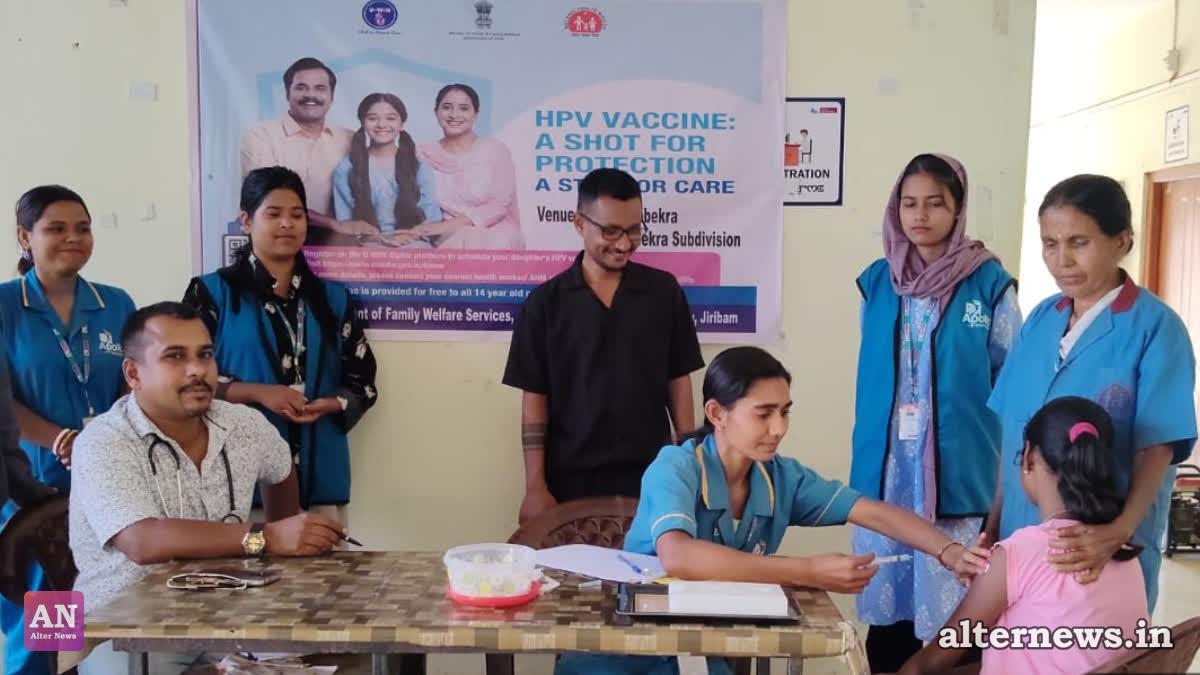
Nutrition lays the groundwork, but targeted protection through immunisation remains vital. Paediatricians urge parents to stay up to date with routine immunisation schedules, particularly vaccines targeting Rotavirus, Typhoid, and seasonal influenza.
In addition to nutrition and vaccines, medical experts highlight a commonly overlooked health booster: regular, quality sleep. Young children require between 10 to 12 hours of restful sleep every night. During deep sleep cycles, the body repairs tissue and releases crucial protective proteins called cytokines, which directly fight off infections.
When Should You See a Doctor?
While mild sniffles often resolve with rest, parents should monitor toddlers closely for severe warning signs. Medical attention should be sought immediately if a child displays:
High or recurring fevers lasting more than 24 to 48 hours
Severe, continuous vomiting or diarrhoea
Extreme lethargy or sudden weakness
Visible breathing difficulty or rapid breathing
Signs of severe dehydration (dry lips, no tear production, or dark urine)
Doctors strongly advise against over-the-counter self-medication, especially antibiotics, without a professional diagnosis. By maintaining simple routines—boiled water, fresh warm meals, timely vaccines, and adequate rest—parents can ensure their kids enjoy the magic of the rainy season safely.