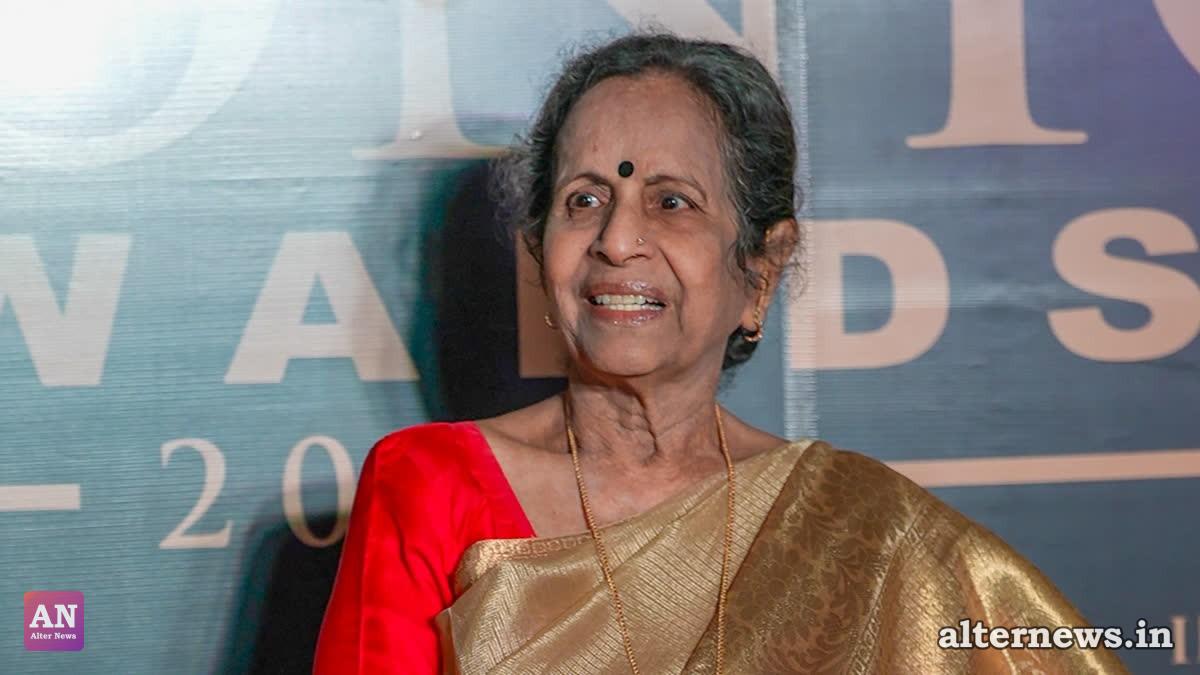
MUMBAI — Behind the fierce on-screen personas and decades of critical acclaim, veteran actor Usha Nadkarni's real life has been shaped by quiet resilience. Known to millions as the stern yet loving mother-in-law Savita Deshmukh from the hit television series Pavitra Rishta, the 80-year-old actor recently spoke candidly about her personal history, laying bare a narrative marked by a traumatizing childhood, intense personal sacrifice, and decades of living alone.
Having spent nearly seven decades in the entertainment industry across Marathi theatre, mainstream Hindi television, and regional cinema, Nadkarni remains a formidable force in acting. Yet, far from the spotlight, her personal life reflects a very different reality.
Living in Solitude Since 1987
In a recent interview, Nadkarni revealed that she has lived completely by herself in Mumbai since 1987. With her siblings having passed away and her only son settled abroad, solitude has become a permanent companion.
While she admits to having fully adapted to living independently, the transition was far from easy. Recalling her early years in her residential building, Nadkarni shared that fear once dominated her daily routine. She would frequently ask the apartment complex’s security guards to escort her to her front door, petrified that someone might attack her from behind. Over time, however, that anxiety faded into acceptance.
Now at 80, Nadkarni views her living situation and mortality with pragmatic frankness—and even a streak of her signature wit. Stating that she harbors no fear of dying, she remarked lightheartedly that if she ever passes away peacefully in her sleep, her neighbors will likely come knocking and wonder why "the old woman hasn’t opened the door yet."
A Traumatic Childhood and Family Violence
Long before she carved out a career in showbiz, Nadkarni’s childhood was dominated by fear and domestic turmoil. Her father, an Air Force officer, maintained an intensely violent demeanor at home, where minor oversights—such as an improperly folded newspaper or untidy schoolbooks—could trigger violent outbursts.
Recallling one harrowing incident, Nadkarni recounted how her father brutally beat her brother. When she stepped in to protect him, her father struck her with a koita (a heavy curved knife), injuring her arm. Despite the violent encounter, she mustered the resolve to go on stage and perform in a play the very next day.
Her pursuit of an acting career also met with harsh resistance from within her family. Her mother, a schoolteacher concerned about societal judgment, strongly opposed her passion for performing. At one point, her mother threw her belongings out of the house, forcing a young Nadkarni to stay with a friend for a week before her father eventually brought her home.
Career Triumphs and Personal Regrets
Driven by an unwavering passion that began in primary school, Nadkarni refused to give up on her artistic ambitions. Her career ultimately spanned iconic Marathi films like Maherchi Sadi and Pak Pak Pakaak, as well as high-profile Hindi projects including Vaastav, Krishna Cottage, Rustom, and Great Grand Masti. On television, alongside Pavitra Rishta, she expanded her fanbase through appearances on reality formats like Bigg Boss Marathi and Celebrity MasterChef.
However, sustained success came at a steep personal cost. The grueling demands of professional acting—often performing multiple theatre shows in a single day—kept her away from her young son. Raised primarily by his grandmother and uncle, her son grew up with an unavoidable emotional distance, occasionally reminding Nadkarni that while she gave birth to him, his grandmother was his true mother.
Reflecting on a lifetime spent chasing her craft despite immense personal adversity, Nadkarni's story remains a testament to resilience—a artist who navigated severe personal struggle to deliver performances that defined Indian television and cinema for decades.