CHANDIGARH — As National Nutrition Week 2026 highlights the transformative impact of dietary choices on long-term wellness, health experts are dispelling long-held myths around maternal diets. The key takeaway for mothers-to-be is clear: when it comes to pregnancy, nutrient quality far outweighs food quantity.
UNICEF identifies the first 1,000 days of life—from conception through a child’s second birthday—as the most crucial window for neurological and physical development. Because fetal growth relies entirely on maternal nourishment, pregnancy represents a rare phase where one individual’s daily dietary choices shape the immediate and lifelong health of another.
Debunking the 'Eating for Two' Myth
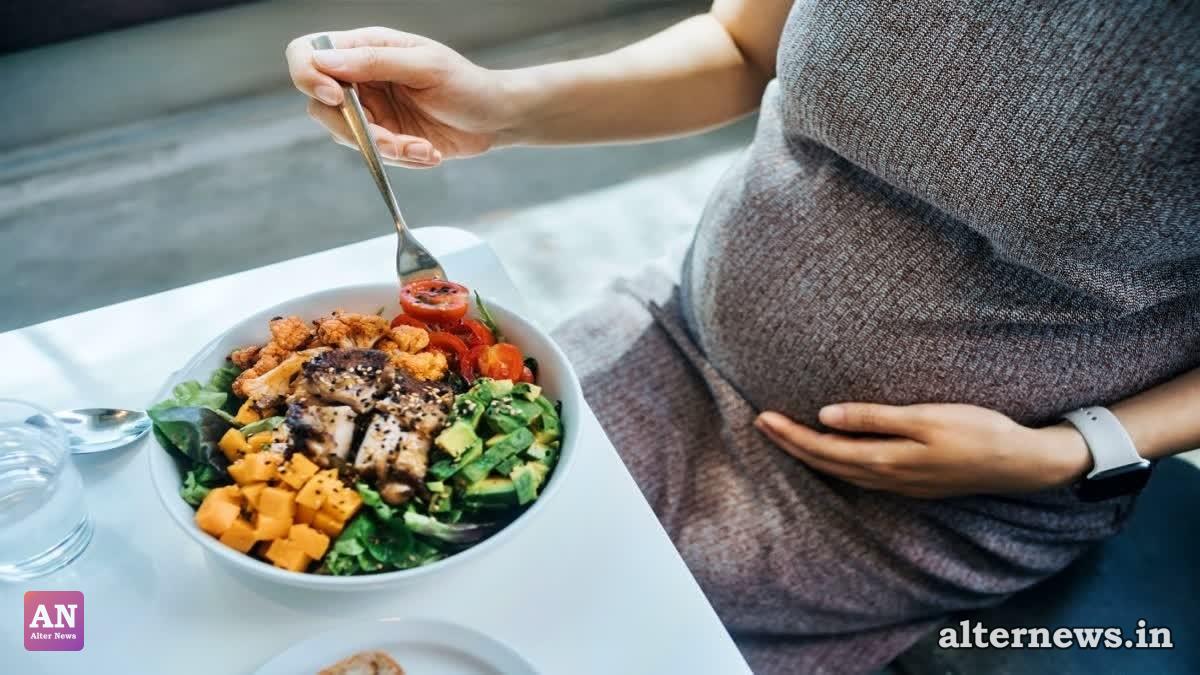
"Eating twice the amount of food during pregnancy is unnecessary," says Dr. Priyanka Sharma, Senior Consultant in Obstetrics and Gynaecology at Cocoon Hospital, Chandigarh. "Women should focus on how well they are eating rather than how much more they consume. What expectant mothers truly need is dense, balanced nutrition."
Dr. Sharma stresses that an ideal maternal diet should feature a diverse mix of:
Proteins: Essential for structural cell growth and tissue formation.
Calcium and Vitamin D: Critical components for strong bone development.
Folate & Iodine: Vital nutrients for neural tube growth and thyroid function.
Whole Grains, Fresh Fruits, Vegetables, Dairy, and Healthy Fats: Key sources of daily micro- and macronutrients.
Addressing the Global Iron Gap
Iron intake requires targeted attention during pregnancy. With maternal blood volume expanding rapidly to supply oxygen to the developing fetus, iron demands surge significantly.
According to World Health Organization (WHO) estimates, iron deficiency contributes to anemia in over 40% of pregnant women worldwide.
"Iron and folic acid supplementation play an indispensable role during prenatal care," Dr. Sharma explains. "However, dosage matters. Expectant mothers must consult their healthcare providers for proper medical guidance to determine exact supplement needs rather than self-prescribing."
Avoiding the Pitfalls of Improper Diet
Malnutrition during pregnancy exists on a spectrum. While calorie restriction and extreme fasting endanger the baby by causing severe nutrient deficiencies, overconsuming empty calories presents equal risk. Diets high in deep-fried foods, sugary carbonated beverages, and ultra-processed junk food starve the body of essential micronutrients while promoting unnecessary complications.
Additionally, food safety remains a non-negotiable priority. Pregnant women face higher vulnerability to foodborne pathogens. Consuming unpasteurized dairy products, raw meats, or inadequately washed produce increases the risk of harmful bacterial contamination. Thoroughly washing fresh produce and maintaining strict kitchen hygiene are essential practices.
Personalized Care Matters
There is no single "cookie-cutter" diet plan that fits every expectant mother. Medical conditions such as gestational diabetes, thyroid imbalances, chronic anemia, severe morning sickness, multiple gestations, or specific dietary restrictions (like veganism) require tailored nutrition plans supervised by specialists.
Ultimately, perfect eating habits aren't required—consistency and balance are. Making intentional, nutrient-focused food choices today gives children the strongest foundation for tomorrow.