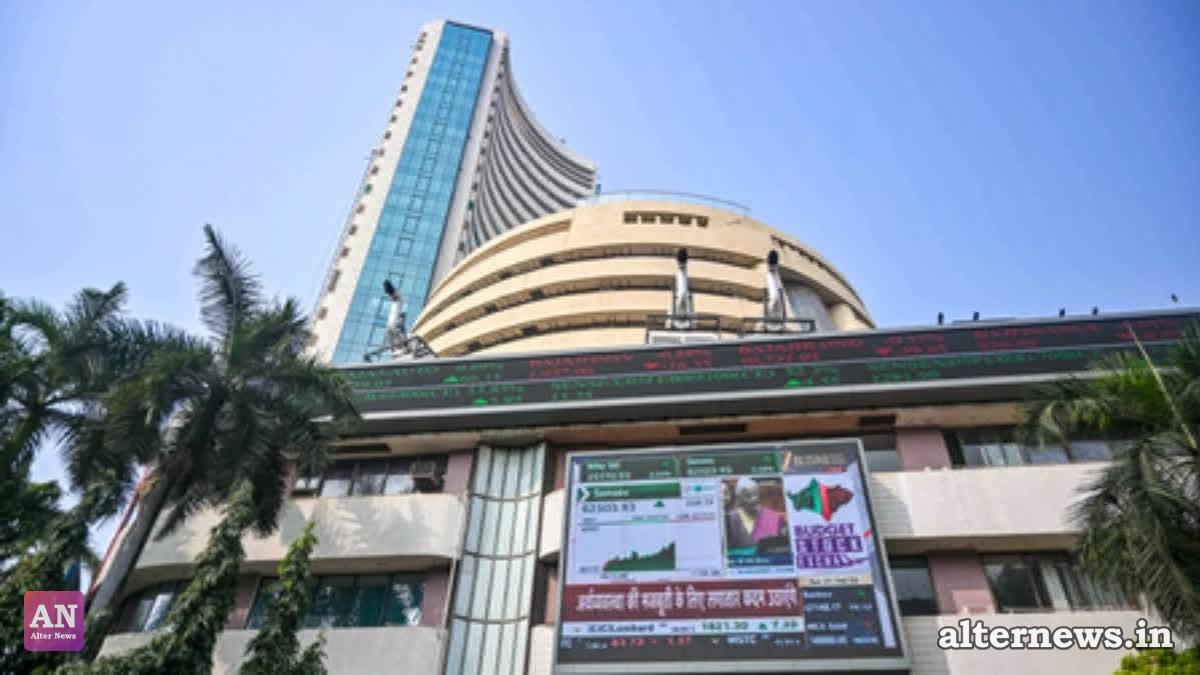
MUMBAI — Indian benchmark equity indices tumbled sharply in early morning trade on Wednesday, September 9, driven by an intense wave of global risk-off sentiment, surging international crude oil prices, and rising geopolitical friction in key global trade routes.
The 30-share BSE Sensex dropped 500.25 points to trade at 75,060.61 during early transactions, while the broader 50-share NSE Nifty slipped 129.40 points to touch 23,506.10, testing key technical support levels.
The market downturn follows back-to-back sessions of losses in domestic equities, compounded by weak overnight cues from Wall Street and widespread declines across major Asian financial markets.
Key Drivers Behind the Market Fall
Rising Crude Oil Prices & Supply Fears: Brent crude futures climbed toward $98.60 a barrel, extending recent gains amid heightened supply chain disruptions and escalating tensions surrounding the Strait of Hormuz. High energy prices pose a direct threat to domestic macroeconomic parameters, driving inflation concerns.
Global Market Weakness: US markets closed notably lower overnight, with the Dow Jones Industrial Average dropping over 600 points, while the S&P 500 and Nasdaq Composite both logged losses. Asian markets followed suit, with Japan's Nikkei 225 sliding over 1.7% alongside losses in Australian and South Korean benchmarks.
Foreign Capital Outflows: Institutional investors adopted a cautious stance, pulling funds out of emerging markets in favor of safe-haven assets amidst persistent inflation concerns and macroeconomic volatility.
Sectoral & Individual Stock Performance
Sectoral trends remained largely tilted toward the red, with heavyweight financial services, IT, and banking indices leading the retreat. Heavyweights such as ICICI Bank, SBI Life, UltraTech Cement, and Reliance Industries saw persistent profit-booking.
Conversely, defensives and selective sectoral counters saw marginal buying interest. FMCG major Hindustan Unilever along with select auto and energy stocks managed to hold ground, providing minor support to broader market indices.
Technical Outlook for the Session
Market analysts warn that the short-term technical landscape for the Nifty 50 remains cautious after the index breached key moving averages. Technical indicators suggest that the 23,500–23,600 band serves as a critical demand zone. A decisive breakdown below this support could expose further downside toward Fibonacci retracement levels near 23,478. On the upside, immediate resistance has shifted downward to the 23,800–24,000 range.